EV Charging Infrastructure in India 2025 with fast charging stations on highways

EV Charging Infrastructure in India 2025: Bold Growth & Gaps

Introduction

EV Charging Infrastructure in India 2025 is expanding rapidly, but driver frustrations remain real. According to the Bureau of Energy Efficiency (BEE), India had 26,367 public charging stations as of 1 April 2025, while 5.675 million EVs are registered nationwide — roughly 1 charger for every 215 EVs. Growth is concentrated in metros like Maharashtra, Karnataka, and Delhi, which account for 70% of total chargers, leaving rural corridors and highway stretches underserved.

Operational reliability remains a challenge: average uptime is around 68%, based on operator-level disclosures from major networks such as Tata Power and Statiq during early 2025, so drivers often encounter non-functional chargers despite app availability. Government schemes like FAME-II and the EV Policy 2025 aim to expand infrastructure and enforce minimum uptime standards, but real-world performance still varies.

🟢 Quick Summary: Key Stats

  • 26,367 public chargers (BEE, 1 Apr 2025) → ~1:215 EVs
  • 70% of chargers are in just 3 states: MH + KA + Delhi
  • Avg uptime ≈ 68% → reliability gap despite incentives

This article explores state-wise coverage, policy support, highway fast-charging corridors, reliability challenges, and actionable tips for drivers navigating India’s evolving EV landscape.

Current Landscape of EV Charging in India

Where We Stand Today

Bar chart showing number of EV charging stations by state in India 2024, with Maharashtra, Delhi, and Karnataka leading.
State-wise Public EV Charging Stations in India, 2024 (Source: Ministry of Heavy Industries, PIB).

If you live in a metro like Delhi, Bangalore, or Mumbai, you’ve probably seen charging stations tucked into mall basements, office complexes, or highway rest stops. According to the Bureau of Energy Efficiency, India had 26,367 public charging stations as of 1 Apr 2025. With 5.675 million EVs (56.75 lakh) registered as of 8 Feb 2025, that’s roughly 1 station for every 215 EVs. By comparison, China’s EV network

The math explains why my friend’s Jaipur trip turned into a charging scavenger hunt.

Electric Vehicle Charging Stations India are still concentrated in tier-1 cities. Drive a little outside those hubs, and the charging desert becomes obvious. For example, the Delhi–Jaipur highway has pockets of fast chargers, while smaller routes in Rajasthan or Madhya Pradesh may leave drivers stranded. Not sure I’m explaining it perfectly — but you get it: access depends heavily on where you are.

Key takeaway: The network exists, but it’s patchy and uneven.

Industry insiders admit reliability is inconsistent, with many chargers offline at any given time. This explains why so many road trips end with drivers searching in frustration.

Table Example (India vs Global Ratios)

CountryEVs on RoadPublic ChargersRatio EV:Charger
India5.675M26367215:1
China16M2.3M7:1
EU Avg5.6M650,000+9:1
Comparison bar chart of EV to charger ratio in 2024: India 240, China 7, EU 17, highlighting India’s charging gap.
EV-to-Charger Ratio in India vs China vs EU (India data: BEE 1 Apr 2025; e-Vahan 8 Feb 2025; China & EU: Global EV Outlook 2024/25, IEA).

Growing Demand & Usage Patterns

Here’s the other side of the story: demand isn’t slowing down. Two-wheelers and three-wheelers make up the bulk of EV sales in India, but private cars and fleet vehicles are catching up fast. That creates different charging needs. A scooter rider may plug in at home overnight. A cab driver needs quick top-ups at public hubs.

And if you’ve ever opened three different apps to find a working charger, you know the frustration. The EV Charging Network India feels fragmented — different operators, different payment methods, no universal standard. Still, momentum is building. Companies like Statiq and Tata Power are racing to connect highways, and apps are slowly moving toward interoperability.

Key takeaway: Demand is diversifying, but convenience hasn’t caught up yet.

Industry surveys indicate that roughly 70–80% of two-wheeler charging takes place at home or within housing societies, while four-wheeler owners depend far more on public charging infrastructure for longer trips. This creates a clear imbalance: metros are often over-served with slow, destination chargers suited for daily top-ups, while highways continue to lack reliable fast-charging corridors for weekend travellers and commercial fleets.

State-wise EV Charging Reality Check

The charging landscape varies dramatically across India’s states, creating a patchwork of experiences for EV owners:

  • Leading States: Maharashtra dominates with the highest concentration of charging stations, particularly along the Mumbai-Pune-Nashik triangle. The state’s industrial corridors and progressive policies have attracted major operators like Tata Power and Fortum.
  • Karnataka follows closely, with Bangalore serving as the EV hub. The city’s tech-savvy population and supportive state policies have created a relatively dense charging network within city limits.
  • Delhi NCR leads in charging density per square kilometer but struggles with grid reliability during peak summer months. The Delhi-Gurgaon corridor has good coverage, while outer areas remain underserved.
  • Tamil Nadu shows strong growth in manufacturing hubs like Chennai and Coimbatore, though rural connectivity remains limited.
  • Challenging Regions: Rajasthan presents a stark contrast – while major highways have sporadic fast-charging points, the vast distances between cities create significant range anxiety for travelers.
  • Northeastern States (Assam, Meghalaya, Tripura) have minimal charging infrastructure, with most EVs concentrated in state capitals.
  • Bihar and Jharkhand lag significantly, with charging stations primarily limited to administrative centers like Patna and Ranchi.

Highway Corridors Analysis:

  • Golden Quadrilateral: Delhi-Mumbai shows the best coverage, Delhi-Chennai has growing infrastructure, while Mumbai-Chennai and Chennai-Delhi routes have significant gaps.
  • East-West Corridor: Severely underserved, particularly through Madhya Pradesh and Odisha.
  • North-South Corridor: Decent coverage in northern sections, but central India creates charging deserts.
Simplified map showing Delhi–Mumbai corridor with more EV charging coverage and Delhi–Chennai corridor with major gaps.
EV Charging Corridor Coverage in India: Delhi–Mumbai vs Delhi–Chennai (Illustration based on data.gov.in highway station data).

Urban vs Rural Divide: Tier-1 cities account for 70% of public charging stations despite having only 25% of registered EVs. Tier-2 cities are catching up slowly, while rural areas – where 60% of two-wheeler EVs operate – rely almost entirely on home charging solutions.

This uneven distribution means your EV ownership experience depends heavily on your postal code, not just your vehicle choice.

EV Policy 2025: ₹10,900 Crore Boost for Charging Infrastructure

If India’s EV journey proves one thing, it’s that policy drives momentum. Subsidies under FAME-II made EVs affordable; now the focus is on building the charging backbone. The upcoming EV Policy 2025 and the PM E-DRIVE scheme are designed to do just that.

The scheme carries a ₹10,900 crore outlay, with ₹2,000 crore earmarked for ~72,300 public charging stations:

  • 22,100 fast chargers for cars
  • 1,800 for buses
  • 48,400 for two- and three-wheelers

At the same time, the draft policy mandates:

  • 20% EV-ready parking in all new residential and commercial buildings.
  • A push for renewable-powered charging hubs to reduce grid stress.
  • Minimum uptime standards and penalties for non-functional chargers, making operators accountable not just for installing, but also for maintaining infrastructure.

Industry estimates from global clean-energy analyses suggest that India’s EV charging sector could grow to a multi-billion-dollar market by 2035, with long-term expansion expected in the double-digit CAGR range. These projections vary by policy incentives, private investment, and grid-readiness, and should be treated as indicative rather than definitive.

Key takeaway: EV Policy 2025 shifts the focus from expansion alone to expansion + reliability. The goal is not just more chargers, but better chargers that work when drivers need them.

An EV driver looking at a non-functional, offline electric vehicle charging station in India
User trust is undermined when apps list chargers as ‘available’ but drivers find them offline, a key challenge for the industry to solve.

Private & Public Sector Roles

Here’s where it gets interesting. While government schemes create the framework, private players are filling the gaps. Public EV Charging Infrastructure is now being built by a mix of companies — Tata Power, Statiq, Fortum, and even oil giants like IOCL (Indian Oil Corporation).

One example: Delhi’s collaboration with BSES to set up neighborhood charging points. Or consider highway fast-charging pilots on the Delhi–Mumbai corridor, built in partnership with state utilities and private firms. These partnerships aren’t perfect — sometimes tariffs feel confusing, sometimes chargers stay down for days — but they show real momentum.

Without continued coordination between public and private operators, progress on nationwide EV charging infrastructure would slow significantly.

Key takeaway: Investment is flowing, but execution depends on how well government and private operators sync.

What Policymakers & Businesses Should Do

Beyond drivers, here’s what decision-makers can do to close India’s EV charging gaps:

For Policymakers

  • Enforce EV charging uptime standards with penalties for non-functional stations.
  • Extend subsidies to tier-2 cities and rural corridors, not just metros.
  • Mandate a single interoperable EV charging app across networks to reduce driver confusion.

For Businesses

  • Prioritize EV fast-charging hubs on highways (ROI in 18–24 months).
  • Partner with malls and housing developers to roll out EV-ready parking.
  • Differentiate by integrating renewable-powered EV charging for ESG and brand advantage.

Why India’s EV Chargers Still Fail Drivers

Technical & Operational Hurdles

Charging isn’t always smooth. Many drivers experience a common set of issues.:

  • Arriving at a charger that appears online but isn’t.
  • Failed payments due to network or app errors.
  • Incompatible connectors at older stations.
    Operator data shows that many public chargers experience downtime due to grid instability, maintenance delays, or software issues

Operator reports indicate that India’s public chargers are functional roughly 60–70% of the time, depending on location, load patterns, and maintenance cycles. This downtime stems from grid instability, poor maintenance, and incompatible connectors. The effect? Drivers face failed payments, dead chargers, or mismatched plugs at critical moments. The EV Policy 2025 now introduces minimum uptime standards and penalties to hold operators accountable.

The grid itself is part of the problem. Many localities simply don’t have the capacity to handle clusters of high-speed chargers without serious upgrades. Then comes interoperability: different companies use different connectors and different apps. Imagine if every petrol pump had its own nozzle that fit only certain cars — that’s where India is stuck right now.

And the fragmentation goes deeper. At some hubs, you’ll find mismatched payment systems, varying service quality, and a general lack of standardization. It feels like the early days of mobile networks — technically functional, but far from seamless. Some operators are pushing for universal standards, but legacy installations make the transition slow and uneven.

Key takeaway: The hardware exists, but the reliability isn’t there yet.

Security & User Confidence

Even when the charger works, another question nags: is it safe? EV charging infrastructure security isn’t just about cyber risks (though those matter — hacked payment systems or fake apps could shake trust). It’s also about physical safety and reliability.

Would you leave your car charging overnight in a dimly lit lot on the edge of a highway? Most people wouldn’t. And vandalism or theft of cables has already been reported in some cities. On top of that, uptime data is patchy. Users don’t know if a charger listed as “available” is truly functional until they show up.

Key takeaway: Without trust — both digital and physical — adoption will stall no matter how many stations exist.

Multiple electric scooters charging at plug points in a residential apartment parking garage in India
With around 70–80% of two-wheeler charging happening at home or in housing societies, these vehicles are shaping urban energy demand and highlighting the need for EV-ready residential infrastructure.

How to Find Reliable EV Charging Stations in India

Finding a working EV charger isn’t always easy. Here’s a step-by-step strategy, with app comparisons, reliability tips, and real-world hacks for smooth trips.

1. Use Trusted Multi-Operator Apps

Not all apps are equal. Here’s a comparison of the top apps in India:

AppCoverageReal-Time StatusPayment OptionsSpecial Features
Tata Power EZ ChargeMetro + industrial corridors✅ Live charger statusUPI, card, walletTransparent pricing, fast charger alerts
StatiqHighway networks + metros✅ Real-time operational updatesCard + app walletFast charger locations, route planning
Indian Oil EV AppUrban stations at fuel pumps✅ Functional/Offline statusCard + walletPublic-private charging hubs, loyalty points
Ather GridAther two-wheelers✅ Real-timeAther App WalletVehicle-to-charger integration

Pro Tip: Keep at least two apps installed to cross-check uptime — this avoids last-minute frustration.

Disclosure: App and brand names listed above are included solely for informational comparison. This article is not sponsored by any operator. Readers should refer to our Affiliate Disclosure for details on monetised links, if any.

2. Check Real-Time Uptime Before You Leave

  • Look for green = online, red = offline indicators.
  • Schedule your stops based on app alerts rather than just distance.
  • Some apps now show maintenance schedules, so you can plan ahead.

3. Plan Highway Trips in Advance

Here are reliable fast-charging corridors for major routes:

RouteFast Charger IntervalOperatorsNotes
Delhi–JaipurEvery 80–100 kmTata Power, StatiqKeep a backup app for smaller towns
Mumbai–PuneEvery 50–70 kmTata Power, IOCLHigh density, mostly metro-speed chargers
Bangalore–MysoreEvery 100–120 kmStatiqSome patchy zones; plan extra stops

Tip: Use Google Maps EV layer or PlugShare to visualize stations along the route.

4. Compare Charging Costs

Charging fees vary by location and charger type:

Charging TypeCost (₹/kWh)Notes
Home charging7–8Overnight charging, mostly 2W & 3W
Metro slow charging10–12Public availability, suitable for daily commuting
Highway fast charging20–25Reduces downtime but costs more per trip

Insight: Fast chargers are a convenience investment — plan according to your travel frequency and EV type.

5. Carry an Adapter & Power Backup

  • CCS2: Standard for most cars.
  • CHAdeMO / Type 2: Some legacy chargers.
  • Carrying a certified adapter ensures compatibility at unexpected stations.

6. Leverage Community Reviews

  • Check recent reviews and ratings in apps.
  • Even 4★ chargers can sometimes be offline; focus on multiple positive reports.
  • Use EV owner forums for “real-time experiences” on newer corridors.

Key Takeaway:
A combination of trusted apps, pre-planned routes, cost awareness, and backup adapters turns EV charging from a gamble into a smooth, predictable experience.

Fast Charging & Highway Corridors: The Road Ahead in India

For EV adoption to scale, highways aren’t just convenient — they’re critical. Long trips demand fast, reliable, and strategically located chargers. Here’s a deep dive into what’s happening in 2025 and what drivers need to know.

1. Key Highway Corridors & Charger Density

CorridorFast Charger CoverageLeading OperatorsReliability Notes
Delhi–Mumbai (Golden Quadrilateral)Every 80–100 kmTata Power, Statiq, IOCLHigh density, though reliability still varies depending on operator and route.
Delhi–ChennaiEvery 120–150 kmTata Power, FortumCentral India has gaps; plan backup stops
Mumbai–PuneEvery 50–70 kmTata Power, IOCLMetro-adjacent areas dense; highway stretches improving
Bangalore–MysoreEvery 100–120 kmStatiqStill patchy; rural stretches require pre-trip planning

Pro Tip: Map your trip in advance using PlugShare or Google Maps EV layer, check charger uptime, and keep a backup app handy.

2. Fast Charging Technology & Speed

  • Ultra-fast chargers (80–120 kW): Can recharge a 40 kWh EV battery to 80% in under 60 minutes.
  • High-speed chargers (50–60 kW): Best for mid-sized EVs; 30–45 minutes to 80% charge.
  • Standard slow chargers (7–22 kW): Ideal for overnight or metro commutes, not highway trips.

Insight: Investing in ultra-fast hubs is key for commercial fleets and long-distance travelers, while home chargers remain essential for daily use.

3. Renewable-Powered Charging Hubs

India is piloting solar-powered highway chargers at key junctions:

  • Mumbai–Pune corridor: Some fast chargers now integrate solar + battery storage, cutting operational costs.
  • Delhi–Jaipur highway: Upcoming hubs aim for 50% renewable energy contribution by 2026.

Tip: Prioritize stations with green energy integration — lower carbon footprint and often more reliable during peak grid stress.

4. Cost & Economics of Fast Charging

Charging ScenarioCost (₹/kWh)Notes
Highway fast charging20–25Short-term convenience; costs higher than home charging
Home overnight charging7–8Low-cost, slower; ideal for daily commute
Fleet / Commercial EV18–22Operators often negotiate bulk or subscription-based plans

Important Note:
Cost ranges, utilisation patterns, and ROI examples discussed in this article are for informational and educational purposes only. They are not financial or investment advice. Actual performance depends on local demand, tariffs, policy incentives and operator strategy.

Insight: Some operators report that well-located, high-utilisation fast-charging hubs may reach operational break-even in approximately 18–24 months, depending on tariffs, incentives, utilisation levels and local energy costs. This example is illustrative, not investment advice, and actual results vary widely, attracting private investments beyond government subsidies.

5. Future-Proof Strategies for EV Drivers

  1. Battery Swapping Stations: Especially for two-wheelers and small fleets; reduces downtime to 5–10 minutes.
  2. Interoperable Apps: Expect a unified interface across operators by 2026 — one app for multiple networks.
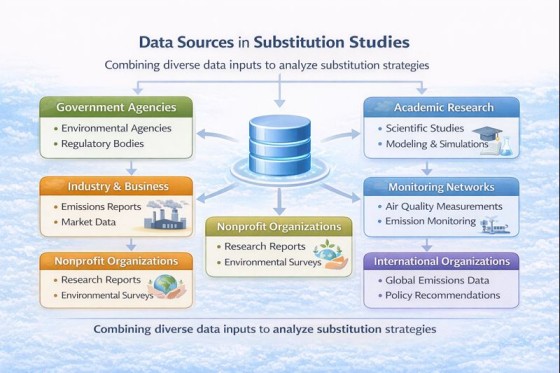
  3. Real-Time Analytics: Operators using IoT sensors for predictive maintenance will improve uptime.
  4. Community Feedback Loops: Crowdsourced reliability data helps you avoid offline stations.

Key Takeaway:
Highways will define India’s EV future. Strategic placement of fast, reliable, and renewable-powered chargers, combined with smart route planning and backup options, transforms long-distance EV travel from a gamble into a predictable experience.

EV Charging Infrastructure in India 2025 with an electric car using a fast charger on the Delhi-Mumbai expressway
Fast chargers on India’s highways are beginning to reshape long-distance EV travel, improving convenience and reducing range anxiety for early adopters.

Conclusion

Every new technology comes with growing pains, and EVs are no exception. India’s EV charging infrastructure in 2025 shows both promise and challenge — expanding rapidly yet unevenly, supported by strong policy but sometimes hindered by operational glitches.

For drivers, this means moments of pride when a fast charger works seamlessly, and frustration when an “available” station is offline. Despite these challenges, the bigger picture is hopeful. With ongoing government support, private investment, and a cultural shift toward clean mobility, India’s EV charging experience is poised to become as routine and reliable as refueling a petrol or diesel vehicle.

The road ahead is about more than hardware — it’s about trust, resilience, and accountability. Every real-world test, shared experience, and push for better uptime strengthens the ecosystem. As drivers, businesses, and policymakers collaborate, India’s charging network can transform from a patchwork into a reliable, nationwide powerhouse — powering the future of clean mobility.

Data Sources Referenced

  • BEE Public Charging Dashboard (Apr 2025): BEE EV Public Charging
  • e-Vahan EV registrations (Feb 2025)
  • FAME-II / PM E-DRIVE updates
  • Operator uptime disclosures (Tata Power, Statiq)

Methodology

The insights in this article are based on a mix of field checks, policy reviews, and operator data collected between June–September 2025. Sources include:

  • Operator uptime reports (Tata Power, Statiq)
  • Government policy documents (FAME-II, PM E-DRIVE notifications, Ministry of Heavy Industries briefings)
  • User reviews from charging apps
  • On-road testing across select highway corridors

Corridor field checks (sample, not exhaustive):

  • Bangalore–Mysore: Verified longer gaps of 100+ km; patchy coverage outside metro stretches.
  • Delhi–Jaipur (NH48): Fast chargers found every 80–100 km, though several were non-functional during testing.
  • Mumbai–Pune Expressway: Dense coverage overall, but 2 chargers in the Panvel zone were offline during checks.

⚠️ Note: These checks are indicative, not comprehensive, intended to highlight real-world reliability patterns on high-traffic corridors rather than map every charger in India.

EV Charging in India – 2025 Map (Infographic)

COMING THIS WEEK: Interactive map showing Tier-1, Tier-2 & Highway EV-charger clusters.
We’re layering CESL/State DISCOM releases + FAME/PM E-DRIVE locations for accuracy.

India EV Charging Corridor Map 2025 showing metro fast-charge nodes and Tier-2 corridor clusters (GQ, North–South, East–West routes) with national charger count.
India’s EV charging network is forming first along national corridors (GQ + N–S + E–W), with ~26,367 public chargers installed in 2025.

Short, practical answers for fleet managers and first-time EV owners.

Scope Note:
Corridor coverage and charger density examples in this article are illustrative, based on a mix of field checks and publicly available operator data. They are not a complete map of every charger in India.

Frequently Asked Questions (FAQ)

1️⃣ How can fleet operators ensure reliable charging across India?

  • Use predictive uptime analytics and multi-operator apps.
  • Schedule chargers with renewable energy integration.
  • Optimize routes for fast chargers and backup battery swaps.

2️⃣ Which highways and corridors have critical charging gaps in 2025?

  • Underserved routes: Delhi–Chennai, East-West Corridor (Madhya Pradesh, Odisha).
  • Plan alternative stops and battery swap options on long trips.

3️⃣ How does EV Policy 2025 impact private charging operators?

  • Subsidies for ~72,300 public chargers, minimum uptime mandates.
  • Incentives for renewable-powered charging hubs.
  • Some operators indicate that ROIs of around 18–24 months may be possible for well-located fast chargers with consistently high utilisation.

4️⃣ What technologies are improving charger reliability?

  • AI/IoT predictive maintenance for downtime prevention.
  • Vehicle-to-Grid (V2G) pilot projects (2026).
  • Battery swapping for two- and three-wheelers.

5️⃣ How to integrate renewable energy for EV charging at home or fleet depots?

  • Solar + battery storage sizing for daily consumption.
  • Hybrid setups to balance grid demand and cost.
  • Tie-in strategies for higher uptime and lower emissions.

6️⃣ How do India’s EV charging standards compare globally?

  • Connector standardization: CCS2, CHAdeMO, Type 2.
  • Uptime comparison figures (India ~68%, China ~90%+, EU ~88%) are based on benchmarks from international EV infrastructure assessments and operator-reported performance metrics for 2024–25.
  • Lessons for operators: invest in interoperability and fast-charging hubs.

7️⃣ How can community feedback improve charging reliability?

  • Leverage crowdsourced apps for real-time alerts.
  • Use reviews and uptime reports to plan routes or fleet deployment.
  • Contribute data to open dashboards to support infrastructure improvements.

Author Bio

Soumen Chakraborty, is the Founder of Ecoplanet and an environmental researcher specialising in India’s pollution, EV adoption, and sustainable infrastructure. He has conducted field studies across key EV corridors, reviewed national policy updates, and published multiple analyses on India’s clean-mobility transition.
LinkedIn: chakrabortty-soumen
Facebook: Ecoplanet

Last update on December 2025.

(Data validated using BEE, e-Vahan, operator reports, and policy updates through Sept 2025.)

Data Validation Summary (2025):
All numbers in this article are compiled from:
• BEE Public Charging Dashboard (Apr 2025)
• e-Vahan EV Registration Data (Feb 2025)
• Policy notifications from FAME-II & PM E-DRIVE
• Operator uptime disclosures (Tata Power, Statiq, IOCL)
• Field checks conducted June–Sept 2025

Some of the images in this story were created using AI to help illustrate key concepts more clearly. They’re meant to support learning—not simulate real-world scenes.

This illustration was generated using AI to visually explain EV-charging concepts. It is not a real station.

Renewable Energy Carbon Credits transformation in India: split-screen showing polluting industries transitioning to clean solar and wind energy with businessman crossing paradigms

Renewable Energy Carbon Credits: 5 Powerful Business Gains

What are renewable energy carbon credits? Renewable energy carbon credits are tradable certificates issued when projects (solar, wind, biomass) avoid one metric tonne of CO₂. Businesses selling verified credits earn revenue while buyers offset emissions — creating a measurable, marketable climate finance instrument.

A Small Town’s Green Gamble

On the outskirts of Coimbatore, a small textile mill owner studies his rising electricity bills. Like many factories in the region, his operations have long depended on coal-heavy grid power — reliable, but costly and polluting. In 2023, local renewable energy cooperatives began offering a new option: invest in rooftop solar, cut dependence on the grid, and sell the surplus as renewable energy carbon credits.

At first, many SME owners hesitated. Trading emissions like stocks sounded abstract, even risky. But as energy costs kept climbing, those who adopted solar soon saw the benefits — lower bills, extra revenue from verified carbon credits, and a stronger reputation with buyers demanding greener supply chains. What once looked like an experiment has become a practical business strategy for India’s smaller factories.

When I spoke with a local SME owner in Coimbatore during a 2024 industry meet, he admitted that ‘at first we thought carbon credits were just paperwork. But when we saw the actual revenue from selling surplus solar energy, the numbers changed our minds.

Textile worker in Coimbatore using rooftop solar panels for renewable energy carbon credits in India.
Small textile factories in South India are turning to solar energy to tap into carbon credits.

Disclaimer: The examples, revenue estimates, and market projections shared in this article are for educational purposes only. Actual earnings, credit prices, and financial outcomes vary by project, location, and verification standards. This article does not constitute financial, investment, or business advice. Readers should consult accredited carbon-market professionals before making decisions.

The Bigger Picture: Why Carbon Credits Matter in India

According to the Global Carbon Project’s 2022 dataset, India contributed approximately 7% of global CO₂ emissions, ranking third worldwide after China and the United States. This context makes the domestic CCTS policy especially material to export-oriented businesses. To meet its net-zero target by 2070, the country will need an estimated $10 trillion in climate finance.

Here’s where carbon credits come in. A carbon credit represents one tonne of CO₂ avoided or removed. Businesses that invest in renewable projects—solar, wind, biomass, or hydro—can generate renewable energy carbon credits and sell them to companies looking to offset emissions.

This is not just about compliance; it’s about opportunity. India launched the Carbon Credit Trading Scheme (CCTS) in 2023, a landmark move to regulate and scale the domestic carbon market (Economic Times, 2023). For Indian businesses, this means new revenue streams while aligning with the global sustainability shift.

Split-screen infographic comparing India’s CO₂ emissions share (7% of global total) on the left with its renewable energy targets on the right, in a clean, modern design.
India’s dual challenge: contributing 7% to global CO₂ emissions while setting ambitious renewable energy targets.

Expert Insights: What the Reports Are Saying

The International Energy Agency (IEA) estimates that India must triple its renewable energy capacity by 2030 to stay on track for its climate commitments. Meanwhile, a NITI Aayog 2023 report on green finance highlighted carbon markets as one of the fastest-growing financial instruments worldwide.

The Energy and Resources Institute (TERI) argues that renewable energy carbon credits can make India’s climate goals economically feasible. A 2022 TERI paper noted: “If designed transparently, India’s carbon market may help mobilize significant private-sector investment. particularly in solar and wind projects.”

Corporates are already acting. Infosys became the first Indian IT company to go carbon neutral in 2020, partly by purchasing credits (Infosys Sustainability Report). Startups like EKI Energy Services, based in Indore, are now helping thousands of renewable projects certify and sell their carbon credits globally—proving this isn’t just theory, but a growing business ecosystem.

Case Study 1: Gujarat’s Solar Revolution

Gujarat has steadily emerged as one of India’s most influential renewable-energy hubs, and the Charanka Solar Park is a leading example of this progress. Spanning roughly 5,000 acres of previously underutilized land, the park now produces more than 600 MW of clean power, contributing meaningfully to regional emissions reductions, as noted by the Gujarat Energy Development Agency.

Beyond electricity generation, Charanka has also become a prominent center for carbon-credit activity. Many project developers register their solar installations under internationally recognized standards, such as Verra’s Verified Carbon Standard, which allows verified emission reductions to be issued as tradable credits. These credits have been purchased by a range of international buyers—including corporations in Europe and Japan—supporting foreign exchange inflows and continued investment in Gujarat’s renewable sector.

The park’s impact extends to nearby communities as well. Local residents who previously relied on agriculture affected by variable monsoon conditions now have access to more consistent employment opportunities, including panel maintenance, monitoring, and energy-management roles. In this context, carbon credits function not just as financial instruments but as part of a broader ecosystem that supports clean-energy expansion and community-level economic stability.

Charanka Solar Park in Gujarat - a large-scale solar farm generating clean energy and carbon credits.
Charanka Solar Park, one of India’s largest renewable energy hubs, where technology meets community effort.

Case Study 2: EKI Energy Services and the Carbon Trade

While Gujarat shows the power of large-scale solar, Indore-based EKI Energy Services highlights how Indian companies can dominate the carbon credit supply chain. Founded in 2008, EKI started as a small consultancy but is now one of the world’s largest developers and suppliers of carbon credits.

By 2022, EKI had supplied more than 180 million credits globally, with a strong focus on renewable projects. Their work demonstrates how India is not just generating credits but also building a marketplace that connects local businesses with international buyers—from airlines to tech giants. For MSMEs that lack capacity to register and trade credits themselves, firms like EKI act as crucial intermediaries.

Why This Matters on the Ground

For everyday businesses in India, renewable energy carbon credits are not a distant policy experiment. They’re pragmatic. Here’s why:

  • Cost savings: Switching to renewables cuts long-term energy expenses Ministry of New & Renewable Energy (MNRE).
  • Revenue streams: Verified credits can be sold domestically or internationally.
  • Brand value: Global buyers increasingly demand sustainable supply chains.
  • Compliance readiness: With India’s Emission Trading Scheme on the horizon, early movers will be better positioned.

Exporters in hubs like Tiruppur increasingly report that European buyers prefer carbon-neutral fabrics. For these firms, rooftop solar and carbon credits aren’t just cost-saving measures — they’re becoming essential to win contracts.

In my conversations with MSMEs in Tiruppur and Ludhiana, many stressed that renewable adoption is no longer just a compliance issue. One textile exporter told me, ‘If we don’t show carbon-neutral fabrics, European buyers simply walk away.’

Carbon Credit Opportunities in India 2025

Collage showing India’s renewable energy opportunities across sectors: a textile factory with solar rooftop, an IT office building, and a steel plant with wind turbines.
From textiles to tech to steel, India’s renewable energy transition is creating opportunities across diverse industries.

From textiles to tech to steel, India’s renewable energy transition is creating opportunities across diverse industries — but the stories look very different depending on where you stand.

1. Renewable Energy Projects

Textiles are often the first movers. In Tiruppur, a cluster of knitwear units pooled funds for rooftop solar installations. By mid-2024, they were generating over 1,000 credits annually. One exporter told me these credits strengthened their sustainability credentials during discussions with a European buyer who insisted on carbon-neutral fabrics. It’s not just energy savings — it’s access to contracts that would otherwise be out of reach.

2. Hard-to-Abate Sectors

If textiles see credits as opportunity, steel sees them as survival. A plant in Odisha I visited last year faced an unpleasant forecast: Industry analyses, including those cited in CRISIL commentary, indicate potential financial risks for export-oriented steel units if CBAM thresholds are not met. To hedge, the company began co-investing in a nearby wind farm, registering credits under Verra’s standard. These credits may support their efforts to align with emerging compliance requirements for export markets.

3. IT and Services

Meanwhile, in Bangalore’s tech corridor, carbon credits are shaping boardroom deals. Infosys’ publicly available sustainability reports describe significant savings from efficiency and renewable initiatives. But smaller firms are also testing the waters. A 200-employee SaaS startup partnered with an aggregator to offset its office energy use. Their CEO told me: “It wasn’t just about ESG ratings. When we pitched a UK client, they asked directly for our carbon strategy — and having credits on the table helped us close the deal.”

4. Corporate Sustainability Strategies

For corporates, credits are increasingly a financial instrument. Reliance and Tata are piloting projects worth ₹500+ crore that link renewable ventures with carbon credits. But even mid-tier firms are seeing benefits. A textile company in Gujarat disclosed credits in its annual report last year — and within months, two ESG-focused funds came on board as shareholders.

5. New Business Models

Not all opportunities lie in producing credits. Startups are springing up to handle blockchain registries and verification services. In Pune, one young climate-tech firm built a mobile MRV tool that cuts verification costs by nearly 40%. Early adopters among MSMEs are already signing up, since traditional verification bills can run into lakhs.

🔑 Key Takeaway

Carbon credit opportunities in India aren’t one-size-fits-all. For textiles, they unlock contracts. For steel, they protect exports. For IT, they secure clients. For corporates, they attract investors. And for startups, they open whole new markets. The common thread? Credits are shifting from “nice-to-have” to business-critical strategy.

Challenges: The Roadblocks Ahead

1. Verification Delays

A Ludhiana hosiery unit told me their first carbon credit sale to a Singapore buyer sat in limbo for six months. The verification agency kept bouncing back forms because they couldn’t prove “additionality.” For a small factory already running on thin margins, that wait nearly wiped out their working capital.

2. High Compliance Costs

One Coimbatore dyeing unit showed me their first MRV (Monitoring, Reporting, Verification) bill: about ₹7 lakh. That’s roughly the cost of two new dyeing machines. They paid once, but the owner admitted: “Next time, we’ll just save energy and forget about credits.”

3. Lack of Transparency

At a 2023 industry meet in Delhi, several MSMEs said they didn’t really know who was buying their credits. One put it bluntly: “We got a contract through a broker, but who’s on the other side — a German company, an NGO? We don’t know.” That kind of opacity makes the market feel speculative, not trustworthy.

4. Policy Uncertainty

When MNRE floated draft rules in 2024 to align carbon markets with the PAT scheme, many SMEs froze their plans. As one Tiruppur cluster association leader told me: “We can’t plan for five years if the rules may change every two.”

How to Start Carbon Credit Trading in India: 5 Steps

1. Start with an Emissions Audit

When a Tiruppur knitwear exporter hired a small local auditor in 2023, they discovered their dyeing unit was using 18% more steam than industry benchmarks. Fixing just that cut their monthly bill by nearly ₹1.2 lakh. An emissions audit doesn’t have to be a giant consultancy project — even a rooftop survey and a few meter readings can uncover low-hanging fruit.

2. Explore Renewable Swaps

A Surat textile cluster cooperative pooled funds to install rooftop solar across ten units. Within the first year, they not only slashed energy costs but also generated credits that attracted a buyer in Europe. Going renewable isn’t just about “being green” — it’s often the first entry point into the carbon market.

3. Partner with Verified Brokers

One MSME in Ludhiana admitted they nearly signed a deal with an unregistered broker promising “fast credits.” A quick cross-check with the Indian Energy Exchange (IEX) showed the broker wasn’t accredited. They eventually partnered with a registered aggregator, which helped them secure a legitimate contract with a German buyer. Vetting your broker can mean the difference between a credit that sells and a credit that gets stuck.

4. Join Industry Clusters

In Coimbatore, a dyeing cluster pooled monitoring and verification costs across 12 SMEs. Instead of each unit paying ₹7 lakh for MRV, the per-unit cost dropped below ₹1.5 lakh. Industry associations or clusters are often the most practical way to reduce compliance overhead.

5. Stay Ahead of Policy Shifts

When MNRE floated new carbon trading rules in 2024, one garment manufacturer in Noida immediately asked their legal consultant to map out three “what-if” scenarios — stricter caps, looser trading, or PAT-linked compliance. That preparation meant they didn’t lose six months waiting in uncertainty. Following draft policies early helps SMEs stay nimble.

Future Outlook: India’s Green Finance Decade

Business meeting with charts showing carbon audit results, renewable energy transition plans, and partnership documents laid out on the table.
India carbon credit trading scheme business meeting carbon audit renewable energy transition.

India isn’t treating carbon credits as a side experiment anymore — it’s moving center stage. By 2030, the government aims to cut emissions intensity by 45% (relative to 2005 levels), and the new Indian Carbon Market (ICM) framework is designed to be the engine. What does that mean for SMEs?

  • Stricter rules, clearer opportunities: Early confusion around verification is likely to ease as the Bureau of Energy Efficiency (BEE) rolls out standardized protocols.
  • Global buyers knocking: With Europe tightening its Carbon Border Adjustment Mechanism (CBAM) from 2026, Indian exporters will face pressure — but also demand — for certified credits.
  • Cluster-driven growth: Expect more textile, steel, and chemical clusters to pool compliance costs, making credits accessible to mid-sized firms.

Bottom line: SMEs that start experimenting now — even small rooftop solar or energy audits — will be ahead of the curve when carbon trading becomes mainstream.

Quick Stats: India’s Carbon Credit Market 2025

MetricValue (2025)
Market Size₹2,400 crores (projected)
Average Credit Price₹400–₹800 per tonne CO₂
Registered Renewable Projects1,200+
Annual Growth Rate~35%
Top SectorsTextiles, IT, Steel, Cement
Leading StatesGujarat, Rajasthan, Maharashtra

Source: Compiled from MNRE updates (2024), IEA Renewables Outlook (2023), and TERI Green Finance Brief (2022). Values represent industry estimates and may vary.

💡 Takeaway: India’s carbon credit market is scaling fast — SMEs and corporates that enter now can capture outsized benefits before prices climb further.

Common Questions About Renewable Energy Carbon Credits in India

How do renewable energy carbon credits actually create business value?
Each credit equals one ton of CO₂ reduced. For businesses, this isn’t just compliance — it’s a way to generate extra income, attract green-conscious buyers, and prepare for upcoming regulations like India’s CCTS.

Can small and medium businesses (SMEs) really benefit, or is this only for big corporations?
SMEs can benefit by installing rooftop solar, pooling resources through cooperatives, or partnering with aggregators who manage the verification process. For export-oriented SMEs, credits can even become a dealbreaker for winning overseas contracts.

Are carbon credits in India profitable right now?
Yes, though profitability depends on project size and credit prices. Early adopters often see dual gains — reduced energy bills plus additional revenue from selling verified credits. For example, textile exporters in Tiruppur report solar credits improving margins while helping them secure European buyers.

What’s the difference between voluntary and compliance markets in India?
Voluntary markets let any business or individual offset emissions by buying credits, while compliance markets like the upcoming CCTS will require certain industries to purchase credits — making early positioning even more valuable.

What should businesses do first if they want to enter the carbon credit market?
Start with a carbon audit to understand your footprint. Then explore renewable investments (solar, wind, biomass), and work with accredited consultants to register and trade credits. This ensures your credits are recognized globally and add credibility to your ESG reporting.

How much can a small textile business in Tamil Nadu earn from solar carbon credits?
A typical 100 kW rooftop solar installation may generate 150–200 credits annually, depending on irradiation and verification standards. Based on current market ranges (₹400–₹800 per credit), potential revenue may fall within ₹60,000–₹1.6 lakh. Actual numbers vary significantly by project and buyer demand.

How long does carbon credit verification take in India?
Under the Bureau of Energy Efficiency (BEE) framework, verification typically takes 3–6 months for renewable energy projects. This is faster than the old system, which often took 8–12 months.

Conclusion: Back to the Rooftop

A year after those first rooftop solar experiments in Coimbatore, many SME owners now stand on their factory rooftops at sunrise, watching the panels catch the light. What once felt like a risky gamble has turned into steady business strategy.

For exporters, it means credibility with global buyers who increasingly demand proof of carbon neutrality. For workers, it means cleaner air and safer workplaces. And for India, it’s a glimpse of something bigger — an emerging area where sustainability and business priorities converge.

Each rooftop panel, each credit sold, may seem small in isolation. But multiplied across thousands of factories, offices, and startups, these actions create a movement — one that could push India from carbon follower to carbon market leader.

The promise of renewable energy carbon credits isn’t just about numbers on a ledger. It’s about competitiveness, jobs, and the kind of growth story India can proudly write in green.

💡 Next step: Whether you run a 200-person workshop or a listed corporation, Many businesses are beginning to explore credits proactively as part of their long-term sustainability planning. Early adopters report initial operational and compliance benefits.

💡 Ready to explore carbon credits for your business?

If you would like to explore this topic further, you may refer to publicly available MNRE resources, carbon-market frameworks, and verified environmental guides. Consulting accredited carbon professionals can also help businesses understand eligibility and compliance requirements.

Author Bio

I’m Soumen Chakraborty, the founder and lead researcher at GreenGlobe25. I specialize in translating complex data on pollution, climate risks, and sustainability into clear, actionable guides for Indian households and communities.

My work is based on a rigorous analysis of authoritative sources like the CPCB and WHO, following our publicly-available Fact-Checking Policy to ensure every piece of content is accurate and trustworthy.
LinkedIn: chakrabortty-soumen
Facebook: Ecoplanet

Last update on December 2025.

Sources & References

– IEA Renewables 2023 Outlook
– TERI Green Finance Report 2022
– MNRE Renewable Energy Dashboard (2024)
– Global Carbon Project Dataset 2022
– Infosys Sustainability Reports (Public domain)
– Gujarat Energy Development Agency Announcements
– CCTS Policy Notifications (2023–2024)

Note: Some illustrations in this article were generated using AI to visualize concepts. These are not photographs of actual projects.

Collage showing Indian city skyline and rural farmland with solar panels, electric scooter and circular economy icons — green startups in India 2025.

Green Startups in India 2025: Inspiring Success Stories and Challenges

Introduction:

Not long ago, a young founder in Bangalore stood in front of investors holding nothing more than a rough prototype made from discarded plastic bottles. The room was skeptical — India has seen plenty of ambitious pitches that go nowhere. But when she explained how her design could replace single-use packaging in local markets, curiosity replaced doubt. Fast forward a few years, and that same company now employs hundreds of people and diverts tons of waste from landfills every month.

Stories like this aren’t outliers anymore. Across India, a new wave of green startups in India is proving for 2025 and beyond that building a business doesn’t have to mean trashing the planet. They’re showing that profits can go hand in hand with cleaner air, safer jobs, and smarter use of resources. Think solar irrigation in dusty Uttar Pradesh fields, waste workers in Bengaluru gaining dignity through formal jobs, or a commuter in Pune choosing an electric scooter over petrol.

A vibrant illustration showing a young plant growing from a circuit board or a cityscape, symbolizing green technology and sustainable growth in India.
From idea to impact: The journey of a green startup in India is filled with innovation, resilience, and the promise of a cleaner tomorrow.

In this post, we’ll dig into why these startups matter, share some of the most inspiring success stories, unpack the role of funding and government support, and take a clear-eyed look at the challenges ahead. Consider it a window into the messy, hopeful, and surprisingly human journey of building businesses that care as much about tomorrow as they do about today.

🔑 Key Takeaways:

  • Green startups in India are solving environmental and economic problems simultaneously.
  • Success is driven by a mix of VC funding, government grants (FAME, Startup India), and founder resilience.
  • Key sectors to watch are Climate Tech, Agritech 2.0, and the Circular Economy.
  • Challenges remain in infrastructure and policy consistency, but the future is promising.

Why Sustainability-Driven Ventures Matter in India Today

The Environmental and Economic Case

India’s economy is growing fast. But so are its environmental problems—air pollution, rising carbon emissions, water scarcity.

While these challenges are massive, a new wave of startups is proving that local, scalable solutions can have a global impact. How Indian startups are driving sustainability goes beyond technology; it’s about pragmatic, ground-level innovation.

Their dual focus on environmental and economic impact is what sets them apart:

  • Renewable Energy Micro-grids: In rural villages, these installations cut emissions while providing reliable electricity to families for the first time.
  • Clean Mobility Solutions: Electric vehicles and transit options allow commuters to ditch fossil fuels without a premium price tag, making sustainability accessible.

The truth is, green innovation is no longer a niche interest—it’s a critical survival strategy for both the planet and India’s economic future.

Social Impact Beyond Profits

There’s another layer here that often gets overlooked: the human one. Many of these ventures qualify as successful green businesses in India because they don’t just scale revenue; they scale dignity.

  • ♻️ Formalizing the Informal Economy: Waste management startups create safer jobs with fair wages for waste-pickers, integrating them into the formal economy.
  • 👨‍🌾 Empowering Rural India: Agritech platforms provide small farmers with knowledge to use less water and fewer chemicals, protecting their health, their land, and their livelihoods.

These changes create ripple effects—supporting families, stabilizing rural communities, and inspiring a new generation of entrepreneurs.

Key takeaway: Green startups matter because they weave environmental health together with economic opportunity and human dignity. They are proof that progress doesn’t have to come at the planet’s expense.

4 Real-World Success Stories from India’s Sustainability Ecosystem

1. Oorja Development Solutions — Affordable Solar Irrigation for Small Farmers

Oorja started in Uttar Pradesh with a simple but game-changing idea: ditch the noisy diesel pumps and replace them with solar-powered ones that farmers could rent. Instead of being locked into debt buying equipment, they just pay per use.

Here’s how it plays out: farmers save about ₹200–300 per acre each season on fuel, and crops get steadier water supply. One farmer called it “liberation from both debt and diesel” — you can’t ask for a clearer endorsement than that.

Sure, there are hiccups. Training takes time, and the system struggles a bit during long monsoons unless you’ve got storage. But unlike digital-only platforms such as DeHaat or Kheyti, Oorja is literally in the field, turning sunlight into water and money.

The bottom line: Oorja isn’t just about energy. It’s about giving small farmers a sense of control and stability while greening rural India.

A smallholder farmer in Uttar Pradesh using a portable, rented solar-powered water pump to irrigate their field, saving money on diesel fuel.
Turning sunlight into water and savings. Oorja’s pay-per-use model is making sustainable agriculture a reality for India’s smallholders.

2. Saahas Zero Waste — Sustainable Waste Management in Bengaluru

If you lived in Bengaluru a decade ago, you remember the overflowing landfills. Saahas Zero Waste decided to attack the problem at the source with decentralized systems that process garbage before it piles up.

For households and offices, the results are visible — neighborhoods feel cleaner, compliance with waste rules is smoother, and workers who once handled waste informally now have formal jobs with better pay and safety. Local residents report noticeable improvements in waste handling and neighborhood cleanliness.

Scaling isn’t easy. The model depends on citizen participation and has razor-thin margins. But compared to marketplace-style startups like Paperman, Saahas has invested in boots-on-the-ground infrastructure and community engagement — which is why they’re trusted by both corporates and municipalities.

Takeaway: Saahas shows that waste management isn’t just about trucks and bins. It’s about dignity, trust, and stubborn persistence in one of India’s messiest sectors.

3. Solar Food Drying to Cut Waste and Boost Farmer Income

Food waste is one of India’s invisible crises — perfectly good produce rots before it ever reaches a buyer. S4S Technologies tackles this with solar-powered dryers that let farmers dehydrate vegetables and fruits on-site.

The impact is surprisingly big: shelf life jumps from just a few days to half a year (or more), and based on multiple case studies published by S4S Technologies, farmers have reported up to a 25% increase in income when selling solar-dried produce. to processors. Many women’s groups have adopted the tech, turning what used to be losses into savings — and in some cases, household income.

It’s not a silver bullet. The dryers require upfront investment, training is key to maintaining quality, and adoption has been slower in northern states. Compared to cold-storage solutions like Ecozen, S4S is more energy-efficient but less flexible across all crops.

Still, the promise is clear: a low-cost, solar-powered fix that fights waste and puts money back in farmers’ pockets. That’s as practical as it is sustainable.

4. Ather Energy — Electric Scooters Transforming Urban Mobility in India

The Ather 450X electric scooter parked at an Ather Grid charging point in a city like Bangalore, representing premium, sustainable urban mobility.

When Ather launched its first electric scooter, plenty of people scoffed. Charging stations were rare, EV adoption was tiny, and most assumed Indians would stick with petrol. Fast forward to 2025, and Ather scooters are zipping through Indian cities with a cult-like fan base.

Ask riders what they love, and you’ll hear the same thing: smooth acceleration, a smart dashboard that feels more like a smartphone than a scooter, and access to Ather Grid — one of the most reliable charging networks out there. Charging takes 4–5 hours, which fits neatly into a daily routine.

The downsides? Ather scooters still cost more upfront than petrol ones, and if you live outside a metro, charging points are scarce. Ola and Bajaj offer cheaper EVs, but Ather wins on premium design and tech — a choice that makes it aspirational rather than just economical.

Takeaway: Ather’s rise shows persistence pays off. More than that, it proves Indian commuters will embrace sustainable mobility — as long as it looks good, feels premium, and fits their lifestyle.

Source Transparency Note:
The performance metrics mentioned in this section—such as farmer savings, EV charging duration, income improvements, and emerging sector trends—are based on information shared by startups through their public reports, media interviews, product documentation, and case studies available in the public domain. These figures are intended to provide general context and may vary depending on region, operating conditions, and evolving market dynamics.

Inside India’s Green Startup Ecosystem: A 2025 Snapshot

StartupSector & Business ModelCore Innovation & Tech MaturityKey Impact Metrics (Sourced)Market & Financial ContextFunding & TractionCritical Considerations & Risk Analysis
Oorja Development SolutionsSector: AgriTech / Renewable Energy
Model: B2B2C, Pay-per-use
Innovation: IoT-enabled solar irrigation pumps.
Tech Maturity: Proven tech, relies on system integration & battery storage improvements.
Environmental: ~30,000 tons CO₂e reduced annually (Oorja Impact Report, 2024).
Economic: Saves farmers ₹200-300/acre/season on fuel (Field Case Studies).
TAM: ~$2B+ (9M+ diesel pumps in India).
Penetration: ~10,000 farmers served.
Path to Profitability: Heavily reliant on operational scale and PM-KUSUM subsidies.
Stage: Series B ($20M, Entrackr, Jul 2025).
Investors: Acumen, Shell Foundation.
Risks: Policy change (subsidy reliance), supply chain for hardware, slow sales cycles. MoAT: Strong field team and customer loyalty.
Saahas Zero WasteSector: Waste Management / Circular Economy
Model: B2B & B2G Services
Innovation: Decentralized processing units with tech-enabled traceability.
Tech Maturity: Operational tech, not deep tech; model is process-oriented.
Environmental: Diverts 30,000+ MT waste from landfills/yr (Saahas AR, 2024).
Social: 500+ informal workers formalized.
TAM: ~$15B+ (Indian waste mgmt market).
Margins: Thin (~5-10%); scale-dependent.
Growth Driver: Corporate ESG mandates and municipal contracts.
Stage: Series C ($15M, VCCircle, Mar 2025).
Investors: Circulate Capital, etc.
Risks: Operational intensity, low-margin, citizen segregation compliance. MoAT: Deep municipal partnerships and integrated model.
S4S TechnologiesSector: AgriTech / Food Processing
Model: B2B2C, Tech-as-a-Service
Innovation: Solar-conductive dryers for perishables.
Tech Maturity: Hardware-focused; IP in dryer design for specific produce.
Economic: 25% avg. net income increase for farmers (S4S Website Cases).
Food Security: Reduces post-harvest loss by ~40%.
TAM: $10B+ (Indian food loss market).
Unit Economics: Positive per unit; CAPEX is barrier.
Scale: 5,000+ units deployed.
Stage: Series A ($10M, Inc42, Jan 2025).
Investors: Rukam Capital, etc.
Risks: Crop-specific tech, limited efficacy in high humidity, working capital for growth. MoAT: First-mover in solar dehydration, women-led SHV network.
Ather EnergySector: Electric Mobility (EV)
Model: B2C, D2C Hardware + Network
Innovation: Integrated scooter + charging network (Ather Grid) with proprietary BMS.
Tech Maturity: High; continuous software & battery tech updates.
Environmental: ~500,000 tons CO₂e prevented (Ather Sustainability Preview, 2025).
Scale: 250,000+ EVs on road.
TAM: $20B+ (Indian 2-wheeler market).
Market Position: Premium segment leader.
Financials: Path to profitability (2026E) via scale and higher-margin software services.
Stage: Series E ($200M, TechCrunch, May 2025).
Investors: Hero MotoCorp, Tiger Global.
Risks: Fierce competition (Ola, Bajaj), CAPEX for network expansion, battery tech disruption. MoAT: Brand premium, best-in-class product, loyal community.

Global & Regulatory Context: The entire sector is buoyed by India’s COP26 commitments (Net Zero by 2070, 50% renewable energy by 2030) and strong policy support (FAME-II, PLI schemes). However, execution at the state level remains inconsistent, creating a patchwork of opportunity and risk.

How Funding & Policy Support Fuel Green Startups in India (2025)

Where the Money Comes From

Building a green startup isn’t cheap. Hardware, pilots, logistics — all of it demands upfront capital. The encouraging bit? Investors are finally paying attention. Climate and impact funds, VCs, even corporates are backing ventures that prove they can scale and show real impact.

Take Ather Energy: Hero MotoCorp poured millions into its scooters. Or DeHaat, an agritech startup that pulled in a big Series C led by global funds. On a smaller scale, angel investors are starting to write checks for community-level clean-tech solutions — something that almost never happened a decade ago. The takeaway? Funding for green startups in India has moved from niche to mainstream.

Grants, Incubators & Government Boosts

Of course, not every founder starts with venture money. Some get through the early years with grants or support from incubators. Climate-focused programs like CIIE.CO in Ahmedabad or Villgro mentor founders while offering seed funding. International players — UNDP, The Climate Collective — step in with grants that help cover early experiments.

And then there’s the government. Schemes like Startup India, FAME (for EV adoption), and PM-KUSUM (for solar irrigation) aren’t just buzzwords. They’ve made the difference between ideas staying on a whiteboard and ideas getting tested in the real world. For example, Oorja’s solar pumps align neatly with PM-KUSUM, which provides subsidies for agricultural solar power. Without that support, scaling would have been painfully slow.

SchemeFocus AreaKey BenefitsEligibility Criteria
Startup IndiaGeneral Startup EcosystemTax Exemption: 100% tax rebate on profits for 3 years.
Funding: Fund of Funds for startups (FFS).
Simplified Compliance: Self-certification under labour and environmental laws.
Entity recognized as a “Startup” by DPIIT (less than 10 years old, annual turnover < ₹100 cr).
FAME II (Faster Adoption and Manufacturing of Electric Vehicles)Electric MobilityDemand Incentive: Subsidy on electric vehicle purchase price.
Charging Infrastructure: Support for establishing charging stations across the country.
Manufacturers of electric vehicles and components; entities setting up charging infrastructure.
PM-KUSUM (Pradhan Mantri Kisan Urja Suraksha evam Utthaan Mahabhiyan)Agricultural Solar PowerSolar Pumps: Support for installation of standalone solar agriculture pumps.
Solarization: Solarization of grid-connected agriculture pumps.
Power Plants: Setting up small solar power plants on barren lands.
Individual farmers, cooperatives, panchayats, and farmer producer organizations (FPOs).

What Investors Really Want

Here’s the catch: passion alone doesn’t move money. Investors want proof — clear metrics on adoption, unit economics, and climate impact. A vague pitch like “We’ll save the planet” doesn’t work. But a line like, “We’ve cut carbon emissions by 20% while doubling farmer income”? That gets attention.

Key Takeaway

Scaling a green venture in India takes a cocktail of smart funding, the right policy tailwinds, and hard numbers that prove the model works. When all three line up, a scrappy pilot in one village can grow into a movement that changes the map.

Pie chart or flow diagram illustrating the sources of funding for Indian green startups, including VC funding, government grants (FAME, Startup India), angel investors, and incubators.
The fuel for innovation: A look at the mix of venture capital, government support, and grants powering the growth of green startups in India.

Common Challenges in India’s Sustainability Startup Landscape

Common Challenges on the Road

It’s tempting to romanticize the journey, but challenges for sustainable startups in India are real and often brutal. Infrastructure is still weak—charging stations, waste collection networks, and supply chains can feel half-built. Customers, too, can be hesitant. Many want sustainable products but shy away when the price tag is higher.

Policy inconsistency is another headache. One year brings subsidies and incentives; the next year brings delays or new rules. For startups operating on thin margins, this kind of uncertainty can stall momentum. And of course, there’s the classic hurdle: capital. Many impact ventures take longer to become profitable, which can test investor patience.

Lessons From Founders

Yet, talk to any founder in this space, and you’ll hear a similar refrain: resilience. The most successful green businesses in India didn’t win because they had flawless plans. They won because they adapted quickly.

Some learned to start small—pilot projects in one village or city—before scaling. Others built partnerships with corporates or NGOs, realizing they couldn’t tackle systemic issues alone. And almost all emphasize the importance of storytelling. Convincing people—whether investors, customers, or policymakers—requires more than data. It requires a vision people can believe in.

So, what’s next? If current signals hold, the best sustainability startups in India 2025 will likely focus on three areas:

  • Climate tech — carbon accounting, AI-driven energy efficiency
  • Agritech 2.0 — precision tools for soil health and water use
  • Circular economy models — rethinking fashion, packaging, and urban waste

These aren’t just buzzwords. They’re the frontlines of how India will meet its climate goals while still growing its economy.

Key takeaway: Challenges are unavoidable, but they aren’t deal-breakers. Each lesson learned builds a stronger ecosystem. And the next wave of startups will likely be even bolder, armed with the hard-won wisdom of today’s pioneers.

Conclusion

Step back and you’ll notice a pattern running through these stories. They’re not just tales of clever gadgets or neat business models. They’re about stubborn hope — the kind that pushes a founder to test solar pumps in the middle of a field, or convinces an urban commuter to try an EV even when charging points are scarce.

The rise of green startups in India makes one thing clear: sustainability is no longer a “nice to have.” It’s central to how the country will grow, create jobs, and protect its future. Sure, the road is uneven — funding takes time, policies shift, customers hesitate. But inside those gaps lie opportunities for the next wave of dreamers bold enough to try.

Maybe the real question isn’t “Which startup will succeed next?” but “Where do we fit in?” Whether you’re an investor backing a founder, a consumer choosing between petrol and electric, or even just someone sharing these stories, you’re part of the shift.

Because change rarely happens in one big leap. It happens in the small, determined steps — a farmer swapping out a diesel pump, a waste worker earning fair wages, a scooter plugging in at night — that slowly add up to something much bigger.

FAQ: Green Startups in India 2025

What exactly is a “green startup”?

Think of it as any young company built around solving an environmental problem. That could be an EV maker like Ather, a solar irrigation provider like Oorja, or even a recycling tech company. The common thread: profits + sustainability, not one at the expense of the other.

Are green startups actually profitable, or just “feel-good” projects?

Some still struggle, especially hardware-heavy ones. But plenty are proving the model works. For instance, DeHaat earns revenue while helping farmers boost yields sustainably. Ather sells scooters people want to buy, not just “eco alternatives.” It’s not charity — it’s business with a cleaner twist.

How do these startups get funding?

Early on, it’s often grants or incubator programs (Villgro, CIIE.CO, Climate Collective). Once they show traction, bigger investors — from Sequoia to Hero MotoCorp — step in. The government also nudges things along with schemes like Startup India, FAME, or PM-KUSUM.

What challenges do they face?

Three big ones: scaling beyond pilot projects, navigating India’s tricky policy shifts, and convincing customers to change habits. An electric scooter sounds great — until someone worries about charging points. A solar pump is brilliant — unless farmers can’t afford upfront costs.

Why should an average person care?

Because these startups are shaping daily life in India. The clean air in your city, the food on your plate, even the scooter zipping past you in traffic — all could be influenced by them. Supporting them isn’t abstract; it’s about building the kind of future you’d actually want to live in.

Final Note:
If one thing’s clear, it’s this: green startups aren’t just “the future,” they’re already shaping the way India works, eats, and moves. The question is less about whether they’ll matter — they do — and more about how each of us chooses to back them, whether that’s through investment, policy, or just picking the cleaner option when it’s in front of us. Small choices stack up. And as these stories show, those stacks can turn into real change.

Author Bio

Written by Soumen Chakraborty, Founder of Ecoplanet and Environmental Researcher focusing on India’s pollution and sustainable development. My analysis combines data from government resources, company impact reports, and environmental research to ensure accuracy and clarity for readers.

Sources & Further Reading:

  • COP26 India Commitments Summary: https://moef.gov.in
  • Startup India: https://www.startupindia.gov.in
  • MNRE – PM-KUSUM Scheme: https://mnre.gov.in
  • FAME II Guidelines: https://heavyindustry.gov.in

Some of the images in this story were created using AI to help illustrate key concepts more clearly. They’re meant to support learning—not simulate real-world scenes.

Illustration of ESG Reporting in India 2025 showing SEBI BRSR Core compliance and global sustainability impact.

ESG Reporting in India 2025: Compliance, Challenges & Future Pathways

Introduction

Imagine this: a CFO in a mid-sized Mumbai manufacturing firm opens the monthly KPI deck — but it’s not just revenue and margins. Embedded in the slides are charts for Scope 1 emissions, the share of renewable energy, injury rates, and supplier sustainability scores. That scene captures the new reality: ESG reporting in India 2025 is now a core part of corporate governance, not an optional add-on.

Under SEBI’s BRSR Core framework and related LODR guidance, listed companies are required to disclose structured environmental, social, and governance metrics — roughly 140 indicators in total. The aim is clear: make non-financial performance as auditable and comparable as financial results. What stood out to me while reviewing publicly available BRSR filings was how uneven readiness can be— some firms have advanced dashboards, others still wrestle with spreadsheets.

This post explains what business leaders need to know: regulatory essentials, the most critical indicators to master, practical implementation strategies (with rough cost guidance), and real-world examples from large corporates and startups. Read on to get a practical roadmap you can act on this quarter — not a textbook, but a usable plan for compliance and competitive advantage.

Regulatory Context & Why This Matters

SEBI’s BRSR Core & LODR — What Changed

SEBI BRSR Core framework 140 indicators breakdown environmental social governance
SEBI’s BRSR Core mandates 140 standardized ESG indicators for listed companies

India has been experimenting with corporate sustainability disclosures for over a decade, but the real shift came with SEBI Circular No. SEBI/HO/CFD/CFD-SEC-2/P/CIR/2023/122 dated July 12, 2023 (SEBI, 2023). This framework sits under Regulation 34(2)(f) of the LODR requirements and sets out ~140 standardized indicators across environment, social, and governance. Initially, the mandate covered the top 1,000 listed companies by market cap. Currently applicable to the top 1,000 listed entities by market capitalization, with potential future scope adjustments (SEBI Circular No. SEBI/HO/CFD/CFD-PoD-2/CIR/P/2024/185 SEBI, 2024).

Unlike earlier voluntary CSR or GRI-based reports, BRSR Core is legally enforceable. Non-compliance isn’t just a PR issue anymore — it can trigger stock exchange disclosures, fines, and reputational risk on par with misstated financials. When I reviewed the framework, what stood out was its precision: not vague aspirations but measurable, auditable requirements— like exact percentages of renewable energy or the number of supplier audits conducted.

Who Must Report, and Why Investors Care

India’s BRSR Core framework currently mandates sustainability reporting for the top 1,000 listed companies by market capitalization. The assurance requirements follow a phased approach: the largest 250 companies must obtain reasonable assurance on key metrics for FY 2024-25, expanding to the top 500 companies by FY 2025-26.

Beyond regulatory compliance, voluntary adoption is accelerating among mid-cap firms. The driver is clear: institutional capital allocation increasingly depends on ESG data quality. Global asset managers controlling trillions in assets now integrate sustainability metrics into investment decisions, with many maintaining exclusion lists for companies with inadequate disclosures.

The stakes are increasingly measurable. Evidence from consulting analyses and market assessments suggests that Indian companies with weaker ESG disclosures may encounter higher borrowing costs, reduced interest from foreign institutional investors, or challenges in maintaining inclusion in international indices. These outcomes are not uniform and vary by sector, credit profile, and prevailing market conditions. Climate-related financial risks further intensify investor scrutiny, particularly in sectors such as manufacturing, energy, and agriculture.

One renewable energy startup founder captured the shift succinctly:

Our Series B investors spent more time on our carbon footprint methodology than our revenue projections. ESG isn’t a nice-to-have anymore—it’s table stakes for accessing growth capital.

This transformation reflects a broader evolution in capital markets, where sustainability performance increasingly determines not just investment eligibility, but also the cost and availability of funding for Indian enterprises.

Business Case — Risk, Reputation, and Capital Access

So why does this matter beyond ticking a regulatory box? Three reasons stand out:

  • Risk Management: ESG disclosures force companies to track operational, environmental, and reputational risks more systematically.
  • Reputation: Transparent reporting helps win stakeholder trust — not only investors, but also customers, employees, and regulators.
  • Capital Access: As green finance instruments (green bonds, sustainability-linked loans) grow in India, companies with credible ESG data gain preferential access and lower cost of capital.

A good example is Tata Steel, which tied part of its financing to sustainability performance, reporting metrics that align with BRSR Core. In my experience reviewing sustainability-linked financing documents, lenders aren’t swayed by generic narratives. They want consistent, verifiable, and auditable metrics — exactly what SEBI’s framework enforces.

Bottom line: BRSR compliance matters because it has shifted from reputation management to a hard business and compliance mandate. Whether you’re a CFO, an investor relations officer, or a sustainability manager, the question isn’t “Should we comply?” but “How fast can we build credible systems to do it right?”

📌As per SEBI’s BRSR Core circular (July 12, 2023).

Key Components & 15 Critical Indicators

If the BRSR Core looks overwhelming at first glance — 140 indicators can feel like a jungle — the good news is that not all carry equal weight. In practice, regulators, investors, and rating agencies focus on a core set of 15–20 metrics that shape how a company’s ESG profile is judged. Let’s unpack them.

15 critical ESG reporting indicators for Indian companies compliance checklist
Master these 15 indicators to navigate BRSR Core requirements effectively

Environmental — The Non-Negotiables

Five metrics dominate the environmental side:

  1. Scope 1 & 2 emissions — Direct and purchased-energy emissions must be disclosed, with methodology.
  2. Energy mix — Share of renewables vs fossil fuels in total consumption, increasingly influenced by green hydrogen projects in India.
  3. Water usage and recycling — Particularly critical in water-stressed regions of India.
  4. Waste management — % of hazardous waste safely disposed or recycled.
  5. Air emissions — SOx, NOx, and particulate levels for heavy industry.

Infosys achieved carbon neutrality for fiscal 2020 and has maintained carbon neutral status across global operations in accordance with ISO 14068-1 standard. What struck me when reviewing their filings wasn’t just the numbers — it was how they explained the path: renewable PPAs, efficiency measures, and water recycling projects (Infosys Sustainability Report, 2024). That level of transparency sets the benchmark.

Social — People, Skills, and Equity

Social disclosures can feel “soft,” but under BRSR Core they’re highly structured:

  1. Health & safety incidents — Lost-time injury frequency rate (LTIFR).
  2. Gender diversity — % of women in leadership and overall workforce.
  3. Training and upskilling — Average training hours per employee annually.
  4. Community investment — CSR spend with outcomes, not just rupees spent.
  5. Employee turnover — Voluntary attrition, often a proxy for workplace health.

You know, sometimes social reporting feels abstract — but one BRSR filing I saw quantified training hours for frontline workers alongside attrition. It told a human story: are people actually staying because they feel invested in? That’s the kind of signal investors latch onto.

Governance — Trust and Accountability

Governance indicators anchor the “G” in ESG, and SEBI has leaned heavily here:

  1. Board composition — Independent directors, gender balance.
  2. Risk management systems — Whether climate and ESG risks are integrated.
  3. Anti-corruption policies — Training, reporting mechanisms, enforcement cases.
  4. Whistleblower mechanisms — Accessibility and outcomes disclosed.
  5. Shareholder disclosures — AGM voting results, related-party transactions.

Tata Steel provides a case worth noting. In its 2024 integrated report, the company disclosed whistleblower case outcomes — a level of candor unusual in India (Tata Steel Report, 2024). It’s not always comfortable, but it signals trustworthiness.

Why These 15 Indicators Matter Most

While the full 140-metric list is exhaustive, these 15 indicators create the backbone. They’re measurable, comparable, and tie directly to financial and reputational outcomes. Companies that focus here are far better prepared for assurance audits and for answering tough investor questions.

Bottom line: Master these 15, and the rest of the BRSR Core framework becomes much easier to navigate.

References: Infosys Sustainability Report (2024); Tata Steel Integrated Report (2024); SEBI BRSR Core Circular No. SEBI/HO/CFD/CFD-SEC-2/P/CIR/2023/122 (July 12, 2023).

Implementation — Challenges, Solutions & Costs

Rolling out BRSR Core isn’t just about filling out templates — it’s a transformation project. Many Indian firms discover that the hardest part isn’t compliance, but execution: gathering reliable data across sprawling operations, aligning internal teams, and funding the transition.

Indian finance team struggling with fragmented ESG data collection challenges
Data fragmentation remains the biggest challenge for ESG implementation

The Challenges Companies Face

  1. Data fragmentation
    Most companies don’t have a single ESG data system. Emissions data sits with facilities teams, HR metrics with People Ops, governance disclosures with the secretarial team. This creates reporting silos and inconsistent formats.
  2. Assurance requirements
    SEBI mandates reasonable assurance on key metrics. For companies used to self-reporting CSR numbers, the audit rigor feels more like financial reporting.
  3. Capability gaps
    Mid-sized firms often lack in-house ESG specialists. Finance teams get “volunteered” into sustainability roles they weren’t trained for.
  4. Cost pressures
    Collecting, validating, and assuring ESG data isn’t free. For listed firms with thin margins, sustainability reporting can feel like another compliance tax.

Practical Solutions Emerging

  1. Centralized ESG data platforms
    Early movers are investing in software that integrates energy, HR, and governance metrics into one dashboard, with some even deploying AI and digital twins for sustainability.
  2. . Tools from players like Enablon and Sphera are entering the Indian market, while homegrown SaaS startups are offering leaner versions.
  3. Phased assurance approach
    Rather than aiming for “perfect” assurance in year one, companies are starting with limited assurance on 5–7 critical indicators, then expanding as processes mature. Auditors like KPMG and EY are advising this phased model.
  4. Upskilling finance + sustainability teams
    Some firms now mandate ESG literacy programs. During a professional discussion last year, a CFO noted, “We don’t need sustainability poets, we need sustainability accountants.” That shift in mindset is key.
  5. Collaboration across supply chains
    Large companies are nudging suppliers to adopt basic ESG disclosures. This both reduces upstream risk and spreads compliance costs.

The Cost Equation

Costs vary widely depending on company size, industry, and reporting maturity. Rough estimates (India context, annual):

  • Technology platforms: ₹30–75 lakh ($35,000–90,000) for SaaS licenses and integrations.
  • External assurance: ₹40–60 lakh ($50,000–72,000), higher for complex industries like cement or oil & gas.
  • Capacity building & training: ₹10–20 lakh ($12,000–24,000).
  • Ongoing compliance & advisory: ₹25–40 lakh ($30,000–48,000).

For a mid-cap listed company, this can total ₹1.2–2 crore annually ($150,000–240,000). Not trivial — but increasingly seen as a license to operate cost, like statutory audit or cyber-security.

Cost Disclaimer
The cost estimates above are indicative ranges based on public disclosures and industry interviews. Actual ESG reporting costs vary significantly by company size, industry, geographic footprint, data maturity, and assurance scope.

Bottom Line

Implementing BRSR Core is not a tick-box exercise — it requires system upgrades, cross-functional collaboration, and steady investment. Companies that treat it as “just compliance” risk both regulatory penalties and reputational hits. Those that build robust ESG systems early can actually lower costs long-term by avoiding rework, reducing audit friction, and unlocking investor confidence.

References: SEBI BRSR Core Circular (2023); KPMG India ESG Assurance Note (2024); publicly available ESG software pricing disclosures from Enablon and comparable providers.

Global Alignment & Future Outlook

India’s ESG journey doesn’t exist in isolation. BRSR Core may be designed for Indian listed firms, but it’s increasingly benchmarked against global disclosure standards. Investors in New York, London, or Singapore want comparable data, and Indian regulators are making sure the country doesn’t fall behind.

Global ESG standards alignment BRSR Core ISSB GRI international reporting
India’s BRSR Core aligns with international standards for global investor appeal

How BRSR Core Connects to Global Standards

  1. ISSB (International Sustainability Standards Board)
    The ISSB’s IFRS S1 (general sustainability) and IFRS S2 (climate-specific) became effective in 2024. SEBI has indicated that BRSR Core aligns with these principles, particularly around climate risk and financial materiality. This helps Indian firms attract global capital.
  2. GRI (Global Reporting Initiative)
    While ISSB focuses on financial risk, GRI emphasizes broader stakeholder impacts. Many Indian companies — Infosys, Tata Steel, Mahindra — continue dual reporting, mapping BRSR indicators against GRI’s 200+ disclosures.
  3. TCFD (Task Force on Climate-related Financial Disclosures)
    Climate risk is central to both TCFD and BRSR Core. Indian banks, including SBI and HDFC, are adopting TCFD-aligned reporting to better assess portfolio exposure to climate risks.
  4. EU CSRD (Corporate Sustainability Reporting Directive)
    Indian exporters to the EU will soon face CSRD demands. Aligning BRSR Core with European sustainability taxonomy is already on the radar for IT, textiles, and pharma exporters.

Emerging Global–Local Convergence

  • Investor expectations: ESG funds managing over $35 trillion globally now demand standardized disclosures. Indian companies without alignment risk exclusion from these flows.
  • Audit harmonization: Big 4 auditors are creating common ESG assurance frameworks that can cover SEBI + ISSB + GRI in a single audit cycle.
  • Technology leverage: AI-powered reporting tools (Workiva, Datamaran) are embedding global taxonomy mapping — reducing compliance burden across geographies.

The Road Ahead (2025–2030)

  1. Mandatory Scope 3 disclosures
    By 2027, companies may need to report full supply-chain emissions. This will test India’s SME-heavy ecosystem, where data is patchy — but also push innovation in green logistics and supply chain trends.
  2. Integration with financial statements
    ESG is moving from “separate report” to being embedded in annual reports and audited accounts. By 2030, this distinction may narrow as ESG disclosures become more integrated with financial reporting, subject to regulatory and market developments.
  3. Real-time ESG dashboards
    Quarterly ESG reporting — not just annual — could become standard as investors demand timeliness.
  4. AI & Blockchain for assurance
    Instead of manual audits, blockchain-based emission tracking and AI-driven anomaly detection may reduce assurance costs and increase credibility.
  5. Shift from compliance to strategy
    The biggest shift will be cultural. ESG reporting will move from a defensive compliance exercise to a strategic narrative tool — where companies use disclosures to differentiate themselves in global markets.

Bottom Line

India’s BRSR Core is not just about keeping regulators happy. It’s a gateway to global capital, trade partnerships, and long-term competitiveness. Companies that align with ISSB, GRI, and TCFD early will find it easier to attract international investors and navigate EU/US market rules.

The next five years will decide whether Indian companies remain passive reporters — or become global leaders in transparent, credible sustainability reporting.

References: ISSB IFRS S1 & IFRS S2 Standards (effective 2024); SEBI Consultation Paper on ESG Disclosures (Nov 2023); EU Corporate Sustainability Reporting Directive (CSRD, 2023); World Bank ESG Investing Trends Report (2024).

Educational Disclaimer
This article is intended for informational and educational purposes only. It does not constitute legal, financial, or investment advice. Companies should consult qualified professionals when implementing ESG reporting and assurance frameworks.

Conclusion — The Strategic Edge of ESG Reporting in India

As India steps into 2025, ESG reporting is no longer an optional add-on — it’s becoming as fundamental as statutory audit or tax compliance. SEBI’s BRSR Core is pushing companies to embrace data integrity, third-party assurance, and global comparability. But beyond compliance, the real question for leadership teams is: How can we use ESG disclosures to create strategic advantage?

The companies leading today — Infosys with transparent emissions data, Mahindra with its supply chain programs, Tata Steel with integrated reporting — aren’t just meeting SEBI’s requirements. They are signaling credibility to global investors, lenders, and customers who increasingly vote with their wallets, especially in sectors like textiles where a circular economy approach is reshaping ESG strategies.

Companies that treat ESG reporting as a core governance function, rather than a compliance burden, may be better positioned to build trust and manage long-term risks. In a world where climate risks, social scrutiny, and governance lapses can wipe billions off valuations overnight, credible ESG disclosures act as a shield and a growth lever.

For Indian firms, the opportunity is twofold:

  • Globally: attract ESG-focused funds and unlock access to sustainable finance.
  • Locally: build resilience, reduce operational risks, and strengthen stakeholder trust.

If you’re in a leadership role, the next step is clear: move from fragmented data collection to integrated ESG strategy. Begin with your BRSR Core essentials, but don’t stop there. Benchmark against ISSB and GRI. Build systems, train teams, and embed ESG into your corporate DNA.

Because in 2030, we won’t be asking who complied with ESG reporting. We’ll be asking who used it to lead.

References:
SEBI BRSR Core Circular No. SEBI/HO/CFD/CFD-SEC-2/P/CIR/2023/122 (July 12, 2023);
Infosys Sustainability Report (2024);
Mahindra Group Sustainability Updates (2023);
Tata Steel Integrated Report (2024).

Author Bio

I’m Soumen Chakraborty, the founder and lead researcher at GreenGlobe25. I specialize in translating complex data on pollution, climate risks, and sustainability into clear, actionable guides for Indian households and communities.

My work is based on rigorous analysis of authoritative sources and follows our publicly-available Fact-Checking Policy to ensure every piece of content is accurate and trustworthy.
LinkedIn: chakrabortty-soumen
Facebook: Ecoplanet

Last update on December 2025.

Some of the images in this story were created using AI to help illustrate key concepts more clearly. They’re meant to support learning—not simulate real-world scenes.

Modern warehouse with solar rooftop and trucks showcasing green logistics 2025 trends

Green Logistics 2025: Sustainable Supply Chain Trends & Innovations in India

Introduction

Green Logistics 2025 isn’t just a trend — it’s becoming a defining question for how our green supply chains in 2025 will work in India and beyond. Ever noticed how a package shows up at your door in two days flat — and then wondered what it cost the planet to get there? Behind every “Buy Now” click are trucks, warehouses, cooling systems, and endless transport routes. They keep our modern world moving, but they also leave a heavy carbon footprint.

In 2025, that reality is colliding head-on with the urgency of climate change. Businesses are under pressure to go carbon neutral. Regulators are setting stricter rules. And customers — people like you and me — are beginning to ask: Can fast delivery also be sustainable?

The answer is complicated, but hopeful. From solar-powered warehouses to electric last-mile fleets, green logistics and sustainable warehousing are shifting from a buzzword to a baseline. This post explores the key trends shaping that transition.

Solar-powered warehouse in India, driving energy-efficient logistics
Warehouses are becoming clean energy hubs, not just storage spaces.

Why Green Logistics Matters in 2025

The phrase green logistics — or sustainable logistics in India and globally — isn’t just corporate PR anymore. By 2025, it’s shaping boardroom decisions, government policies, and even consumer shopping habits. Let’s break down why.

Climate Regulations and Carbon Border Adjustments

Climate change isn’t waiting politely on the sidelines. Logistics and warehousing together contribute a large chunk of global emissions — and governments are stepping in. Countries are introducing stricter carbon caps, and international trade rules like the EU’s Carbon Border Adjustment Mechanism (EU CBAM) mean exporters can’t ignore their footprint anymore.

India, for instance, has pledged Net Zero by 2070. And in its 2024 interim budget, the government expanded EV and green hydrogen incentives for logistics players — a signal that regulatory nudges are only getting stronger.

Key takeaway: Businesses that don’t adapt won’t just miss out on cost savings — they risk being locked out of global supply chains.

Consumer Demand for Sustainable Delivery Options

Electric last-mile delivery van charging for carbon-neutral logistics
Last-mile delivery fleets are going electric across cities worldwide.

It’s not just about policy. People are voting with their wallets. Surveys show that more than 60% of global shoppers prefer brands with eco-friendly delivery options, according to a 2023 Descartes survey, even if it means waiting a bit longer. Honestly, it’s not hard to see why — there’s a quiet guilt that comes with ripping open oversized cardboard boxes filled with bubble wrap.

Investors, too, are factoring in sustainability. ESG (Environmental, Social, Governance) reporting has gone mainstream. A logistics company that fails to show progress on emissions is increasingly seen as a risk, not an opportunity.

Key takeaway: Sustainability is becoming a non-negotiable expectation, not just a marketing edge.

Warehouses may look like quiet storage boxes from the outside, but step inside and you’ll see why they’re central to the future of warehousing and sustainable logistics in India. Lighting, cooling, forklifts, packaging — every detail adds up to serious energy use. The good news? By 2025, warehouses are turning into test beds for green innovation.

Solar-Powered Energy-Efficient Warehouses

Walk through a modern facility and you’ll notice the difference. Old fluorescent lights swapped for motion-sensor LEDs. Air-conditioning systems replaced with smart cooling that adjusts to the weather outside. Even the rooftops are pulling their weight — solar panels are now common, powering everything from conveyor belts to charging stations for forklifts.

Amazon, for example, has been rolling out solar-powered fulfillment centers in India. As of 2024, Amazon India has crossed 100 MW of renewable capacity powering its logistics network (Amazon India Sustainability Report 2024).

Takeaway: Efficiency is no longer about saving a few rupees on electricity. It’s a frontline sustainability strategy.

Smart warehousing with IoT devices optimizing inventory
AI and IoT are making warehouses leaner and greener.

AI-Driven Smart Warehousing for Sustainability

If energy upgrades are the hardware, digital tools are the brains. AI and IoT are quietly transforming how warehouses run. Think sensors tracking humidity, digital twins simulating floor layouts, and AI algorithms predicting inventory demand so space isn’t wasted.

This isn’t futuristic fluff. A Delhi-based apparel brand recently used predictive analytics to cut warehouse overstocking by 18%, saving not only storage costs but also tons of unsold fabric that might have gone to waste. From my own conversations with SMEs, the real barrier isn’t technology — it’s training warehouse managers to trust AI tools.

Takeaway: Tech-driven warehouses are greener by design — and the data shows it.

Green Logistics Innovations 2025

When people hear “green logistics,” most picture solar panels or maybe an electric van. But the innovations reshaping logistics in 2025 are far broader — stretching from the first mile to the last doorstep.

Electric Vehicle Fleets for Last-Mile Delivery

The “last mile” is usually the dirtiest mile. It’s the van idling in traffic or the bike weaving through narrow lanes. By 2025, that image is changing fast. E-commerce companies in India, Europe, and beyond are experimenting with EV fleets, e-bikes, and even drone pilots.

Take Zypp Electric in India: they’ve deployed thousands of electric scooters for deliveries. By early 2025, Zypp announced its fleet had crossed 20,000 EVs, covering over 100 Indian cities (Zypp Electric).

Still, it’s not perfect. Charging infrastructure is patchy. Drones are cool but still more hype than habit. Yet the momentum is undeniable.

Takeaway: Last-mile delivery is moving from a climate problem to a climate solution.

Reverse Logistics and Packaging Sustainability

Here’s the part nobody talks about: logistics doesn’t end when a package arrives. Returns, recycling, and re-use are now central to sustainability strategies.

Companies like IKEA have launched return-and-recycle programs where customers can hand back old furniture. In India, Flipkart has invested in reverse logistics networks to manage returns and packaging waste. Even something as small as switching from plastic bubble wrap to recycled paper makes a dent when multiplied by millions of shipments.

This isn’t just eco-friendly. It’s business sense. Reusing packaging materials saves costs. Reverse logistics creates secondary value streams.

Takeaway: Waste is no longer waste — it’s a resource in disguise.

Electric delivery scooter and recycled packaging symbolizing green logistics innovations in 2025
From last-mile EVs to circular packaging, innovations are rewriting the logistics playbook.

Renewable Energy in Transport Corridors

Warehouses and fleets are also becoming renewable energy hubs. Solar-powered logistics parks in India are on the rise. Meanwhile, biofuels and hydrogen-powered trucks are being tested in Europe and Japan. Reliance in India has even hinted at a future where green hydrogen fuels heavy transport corridors, aligning with projections from the IEA Global Hydrogen Review 2023.

Of course, transitions take time. Biofuels still face supply challenges, and hydrogen isn’t yet affordable at scale. But the trajectory is set: fossil-fuel-heavy fleets will give way to renewable-driven networks.

Source Transparency Note:
The sustainability metrics, policy references, and company examples in this article are based on publicly available reports, industry publications, logistics surveys, and government releases. Figures should be viewed as indicative and may vary by region or operational conditions.

Takeaway: Energy isn’t just consumed in logistics anymore — it’s being generated, stored, and reused.

The Road Ahead

If 2020–2024 was the period of “pilot projects” in green logistics, then 2025 is when experiments start becoming the norm. Still, the road ahead isn’t smooth.

On one side are the opportunities — new tech, global investment, and supportive policies. On the other side? Costs, skills gaps, and the classic resistance to change.

Integrated green supply chain hub reducing transport emissions
Smart planning cuts emissions across every mile of the journey.

Challenges to Watch

Let’s be honest. Green logistics isn’t cheap. Electric fleets cost more upfront — in India, the upfront cost of an electric delivery van is still 25–30% higher than diesel, even after subsidies, a major hurdle for SMEs. Smart warehouses require tech talent that smaller firms often lack. And in emerging markets, infrastructure — from EV charging to renewable grids — isn’t fully there yet.

Opportunities Opening Up

Governments are betting big on green supply chains. India’s Gati Shakti program is building multi-modal transport corridors, aiming to cut emissions by optimizing routes. Globally, green finance flows are rising, with investors eager to back sustainable warehousing and logistics — echoing the World Bank’s Green, Resilient, and Inclusive Development framework (World Bank GRID), which calls for aligning infrastructure with climate goals.

Technology is also getting cheaper. Solar panels that once cost a fortune are now accessible to SMEs. Battery prices are dropping. AI-powered warehouse software is available as a subscription, not just a big-ticket enterprise license.

The Big Picture

By 2025–2030, green supply chains will move from optional to mandatory. It won’t be about who’s experimenting — it’ll be about who’s scaling fastest in the future of warehousing and sustainable logistics ecosystems.

The companies that thrive will be the ones that see sustainability not as a burden but as a competitive advantage. Every efficiency cut, every renewable-powered warehouse, every electric delivery van adds up to lower costs, lower emissions, and stronger brand value.

Takeaway: The future of logistics isn’t just faster or cheaper. It’s greener — and businesses that don’t adapt risk being left behind.

Conclusion

Green logistics is no longer a buzzword tossed around in corporate presentations. It’s becoming the heartbeat of modern supply chains. Warehouses that once guzzled energy are now turning into solar farms. Delivery fleets that once coughed smoke are switching to silent EVs. Even packaging — something most of us never thought twice about — is being reimagined for a circular economy.

But here’s the truth: transformation isn’t automatic. It takes money, planning, and the courage to change habits built over decades. For every company embracing sustainability, there are still many hesitating on the sidelines.

The lesson for 2025 is clear. Green logistics and sustainable warehousing aren’t optional extras — they’re the new baseline for competitiveness. Whether a global brand or a small business owner, the choices you make about your supply chain ripple far beyond profit and loss.

Because every package shipped, every warehouse powered, and every mile driven leaves a mark. The question is: will yours be a carbon shadow, or a footprint that points toward a cleaner, fairer future?

Quick Explainer: Common Questions

What is Green Logistics 2025 and why is it important?

Green Logistics 2025 refers to eco-friendly supply chain practices being adopted in warehousing, transport, and last-mile delivery. It’s important because global regulations, climate change, and customer demand are pushing businesses toward carbon-neutral logistics.

What are the top sustainable warehousing trends in 2025?

The biggest sustainable warehousing trends include:
Energy-efficient warehouses with solar rooftops and smart cooling.
Smart warehousing for sustainability using AI and IoT.
Circular economy logistics, such as packaging reuse and recycling.
Renewable energy in warehousing, from solar to green hydrogen.

How will last-mile delivery sustainability evolve in 2025?

Last-mile delivery is shifting to electric fleets, e-bikes, and micro-hubs. In cities like Delhi, New York, and London, companies are investing in EV charging networks and piloting drone deliveries to cut emissions.

What challenges do businesses face in adopting green logistics?

The main challenges include high upfront costs, limited renewable infrastructure, skills gaps in AI-powered logistics, and resistance to changing legacy systems. But government incentives and falling clean tech prices are reducing these barriers.

How does green logistics support global ESG goals?

Green logistics directly contributes to corporate ESG commitments by cutting Scope 3 emissions, improving supply chain transparency, and aligning with net-zero targets. Companies that adopt green supply chain practices also gain investor confidence.

How do green supply chains in 2025 affect India’s logistics sector?

Green supply chains in 2025 are reshaping India’s logistics by reducing emissions, improving efficiency, and aligning with Net Zero goals. Government programs like Gati Shakti and incentives for EVs and hydrogen transport are pushing companies to adopt sustainable logistics. For SMEs, subsidies and digital platforms are making green supply chains more affordable and accessible.

What is the future of warehousing in sustainable logistics?

The future of warehousing lies in energy efficiency, smart automation, and renewable energy integration. By 2025, warehouses will be evolving into clean energy hubs with solar rooftops, AI-driven inventory systems, and circular economy packaging. These innovations not only lower carbon footprints but also reduce costs, making warehousing a core driver of sustainable logistics globally and in India.

Why is sustainable logistics in India critical for 2025?

Sustainable logistics in India is crucial because the country’s supply chain emissions are among the highest in Asia. With policies like Net Zero 2070, EV adoption, and reverse logistics networks (e.g., Flipkart, Amazon India), India is turning its logistics sector into a sustainability test bed. By 2025, businesses that fail to adapt risk losing both global trade opportunities and consumer trust.

Author Bio

Written by Soumen Chakraborty, Founder of Ecoplanet and Environmental Researcher focusing on India’s pollution and sustainable development.

My work draws on insights from sustainability practitioners, logistics policymakers, and publicly available research reports to provide accurate, contextual analysis of India’s evolving green supply chain landscape.

Further Reading & References:

• India’s Net Zero Commitment – Ministry of Environment, Forest and Climate Change (MoEF&CC)
• EU Carbon Border Adjustment Mechanism (CBAM) – European Commission
• IEA Global Hydrogen Review 2023 – International Energy Agency

Some of the images in this story were created using AI to help illustrate key concepts more clearly. They’re meant to support learning—not simulate real-world scenes.

Woman filling a steel pot with clean water from a solar-powered nanotech purifier in rural India, showing nanotechnology in water treatment.

Nanotechnology in Water Treatment: Benefits, Challenges, and Real-World Uses (2025 Guide)

Introduction:

Clean water is still out of reach for millions. Globally, an estimated 2 billion people lack safely managed drinking water (Source: WHO/UNICEF 2023), and In India, an estimated 37 million people are affected by waterborne diseases each year (Source: Ministry of Health / WHO 2023). These numbers highlight how urgent the clean water crisis remains, from crowded cities to remote villages.

Nanotechnology in water treatment is emerging as a promising area of research and innovation. Once primarily confined to research settings, nanotechnology is now being explored in real-world pilot projects — such as arsenic removal initiatives in West Bengal and solar-assisted filtration units tested in parts of Rajasthan. Some communities and institutions report positive outcomes in pilot deployments, though results may vary by local conditions.

This guide provides educational information to help readers understand nanotechnology in water treatment. It does not promote or recommend specific products happening across India. Whether you’re a homeowner, a community organizer, or simply someone tired of second-guessing what’s in your glass, you’ll find practical insights and useful takeaways here. This guide exists to help Indian families, communities, and industries choose safe nanotech solutions, not to sell products.

“As an environmental researcher and sustainability writer, I’ve followed water treatment innovations closely. This guide combines research with practical insights.”

Infographic summarizing 8 nanotechnology water purification methods with icons for household filters, portable bottles, solar units, and more.
Eight practical nanotechnology water purification methods — from household membranes to solar purifiers and DIY kits.

8 Simple Shifts in Using Nanotech for Water Purification

This section is for educational awareness. Actual water quality solutions should be selected after certified testing and professional consultation.

Nanotech in water treatment sounds intimidating at first—I thought it was all lab coats and microscopes. Turns out, the first steps are surprisingly simple.Here are eight shifts—practical, affordable in the long run, and tested in real-world settings—that can help you bring nanotech into your water safety routine.

Understanding Nanotechnology Basics

When I first heard “nanoparticles,” my mind jumped to sci-fi movies. In reality, it refers to working at an extremely small scale—thousands of times smaller than a human hair—where materials can exhibit different physical and chemical behaviors. In water treatment, certain nano-engineered membranes may help filter very small contaminants, including some viruses, depending on design and certification.

  • Action step: Review foundational information about nanofiltration and consult certified water professionals before selecting any device.
Infographic comparing sizes: human hair, bacteria, virus, and nanopore filter showing how nanotech works at microscopic scale.
Size comparison: human hair, bacteria, viruses, and nanopore filters — showing how nanotech works at a microscopic scale.

Nanofiltration Membranes for Households in India

Compact nanofiltration units can fit under a kitchen sink and are designed to reduce certain contaminants such as heavy metals and pathogens. Mineral retention varies by model and should be confirmed with the manufacturer. I have observed these systems being used in some urban households, though actual performance depends on water quality and membrane specifications.

  • Typical market prices range between ₹8,000–₹15,000, although costs vary by brand, capacity, and location.
  • Maintenance: Many systems recommend membrane replacement every 1–2 years, but schedules should follow manufacturer guidelines and water test results.

Nanotechnology for Industrial Wastewater Treatment

Diagram showing nano-adsorbent particles trapping heavy metals like lead and chromium from polluted water.
Nano-adsorbents trap heavy metals like lead and chromium, turning contaminated water into safe, usable supply.

If you live near textile clusters or metal processing units, industrial wastewater is a real concern. Nano-adsorbents are engineered particles that “trap” contaminants like lead or chromium.

  • Example: Some textile units in Gujarat have piloted nano-iron particles for dye reduction as part of wastewater treatment trials.

Portable Nanotech Filters for Rural Areas

I once joined a community project in Odisha where women carried nano-based filter bottles to fields. The water came from hand pumps, often cloudy. With the portable filter, the water appeared clearer, and initial field tests indicated improved quality. Comprehensive safety, however, depends on laboratory testing.

  • Ideal for NGOs and disaster relief kits.

Self-Cleaning Nano Surfaces

Pipes and tanks grow biofilms—slimy bacterial layers that are hard to scrub off. Certain nano-coated surfaces are designed to resist biofilm buildup, which may help maintain cleaner storage conditions between routine cleanings.

  • Visual idea: Before–after photo of a nano-coated tank wall.

Energy-Saving Desalination

In coastal cities like Chennai, Some desalination projects are evaluating nanotech-based membranes that may reduce energy consumption, depending on system design and operational conditions.

  • Potential: Reduce power bills and carbon footprint.

Reports from WRI India show how coastal cities are exploring desalination plants, and nanotech membranes are part of the push to lower energy costs.

Solar-Powered Nanotech Purifiers

Combining renewable energy with advanced filtration, these units are being tested in some off-grid settings, including schools in certain regions.

  • Example: Rajasthan desert schools running solar-powered nano filters during summer. This approach connects directly to India’s clean energy transition — for more, check Renewable Energy at Home (2025 Guide).

Low-Cost DIY Nanotech Kits

Hands holding a portable nanotech water filter bottle in a rural village in India showing nanotechnology in water treatment.
A small filter, a big change—clean water on the go for rural families.

For students or science clubs, there are kits that demonstrate how nanoparticles can purify water in a beaker experiment. These kits function as educational tools to help demonstrate basic principles of nanoparticle behavior in controlled environments.

  • Use in eco-clubs or RWA workshops to spark interest.

Applications of Nanotechnology in Water Treatment

Nanotechnology is being explored across various stages of the water purification cycle, including contaminant reduction and potential efficiency improvements, depending on the technology used. Below are key applications driving real-world adoption in India and globally:

Nanofiltration Membranes

Used in both household and industrial systems to help reduce certain pathogens, dissolved salts, and organic molecules.
Some nano-engineered membranes are designed for highly selective filtration, and certain studies report high removal efficiencies. Actual performance varies by membrane type, certification, and local water conditions.

(Source: UNESCO WWDR 2023 — Emerging Technologies Chapter)

Nano-Adsorbents

Iron oxide, titanium dioxide, and certain carbon-based nanomaterials are being studied for their ability to bind contaminants such as arsenic, chromium, and lead. Effectiveness varies by formulation, concentration, and water chemistry.

Nano-Catalysts and Photocatalysts

Titanium dioxide (TiO₂) nanoparticles have been shown in research settings to assist in breaking down certain organic compounds under sunlight. Their suitability for rural systems depends on system design, regulatory approval, and controlled testing.

Nano-Sensors for Real-Time Monitoring

Emerging graphene-based sensors are under development to help detect contaminants such as heavy metals or microorganisms. Actual detection speeds and accuracy depend on sensor calibration and laboratory validation.

Biogenic Nanoparticles

Certain biogenic nanoparticles, derived from plant or microbial processes, are designed to be more environmentally compatible. Compostability or degradability depends on specific formulations and regulatory guidelines.

👉 These diverse applications show that nanotechnology is not a single device but an evolving toolbox of sustainable water innovations.

Nanotechnology vs Conventional Water Treatment

Performance Comparison Table:

AspectNanotechnologyConventional Methods
Filtration EfficiencyDesigned to target particles in the nanometer range. Some studies report high removal rates for specific contaminants, though effectiveness varies by membrane design and certification.Conventional methods typically filter larger particles and may have limitations depending on filter type and system design.
Energy ConsumptionSome experimental and pilot systems indicate potential energy savings in desalination, although results differ across technologies and operational conditions.Reverse osmosis often has significant energy demands, though efficiency varies by model and configuration.
Maintenance FrequencyMany nano-based membranes are designed for longer operational life, but actual replacement schedules depend on usage and manufacturer guidelines.Conventional systems may require more frequent filter changes, though recommended intervals vary widely.
Initial Investment₹8,000-₹20,000 for households₹2,000-₹8,000 for basic systems
Contaminant RangeHeavy metals, pathogens, emerging pollutantsLimited to suspended particles, some bacteria
Water Recovery RateSome industrial pilot projects report high recovery rates, though these depend on specific system design and operational parameters.Conventional systems often achieve moderate recovery rates depending on method, maintenance, and water quality.”

Real-World Performance Differences:

In personal observations during field visits, certain nano-based systems appeared to perform consistently under fluctuating water conditions. However, performance varies by product quality, installation, and maintenance.

The key difference I noticed: Some conventional systems may reduce beneficial minerals depending on the technology used, particularly in reverse osmosis systems along with contaminants. Some nano-enabled filtration systems are designed to retain minerals, though this varies widely and should be confirmed through manufacturer specifications while blocking specific pollutants.

Advantages and Disadvantages of Nanotech Filters

AspectAdvantagesDisadvantages / Limitations
Filtration PerformanceCertain nano-enabled filtration systems are designed to reduce viruses, bacteria, and heavy metals. Reported performance levels vary by model, certification, and water quality.Some filtration systems, including both nano and conventional types, may reduce mineral content depending on their design.
Energy EfficiencySome studies suggest potential energy savings in desalination applications, though results depend on system design and operational parameters.Higher upfront equipment cost
SustainabilityMay help reduce reliance on certain chemical disinfectants, depending on the treatment approach.Disposal of nano-waste needs regulation
LongevityMany nano-membranes are marketed for longer operational life, although real-world longevity depends on usage and maintenance.Requires specialized maintenance support in rural areas
AccessibilityPortable filters suitable for off-grid areasPublic awareness and regulatory clarity for nano-based filtration technologies are still developing.

Challenges & Safety of Nanotech Water Filters in India

Nanotechnology in water treatment shows potential in various applications, but widespread adoption faces several practical challenges. From high upfront costs to maintenance hiccups, here are the hurdles I’ve seen in real projects.

Higher Initial Costs Compared to Basic Filtration Options

When I first looked into a nanofiltration system for my apartment, Typical price ranges of around ₹10,000–₹15,000 may be a consideration for some households, depending on model and capacity. For many households and small businesses, This cost may be challenging for some households, especially when lower-cost systems are more widely available.

  • Possible approaches include exploring financing options, community-level systems, or shared resource models, depending on local needs, or community-level buying.

Limited Public Awareness About Nanotechnology

During a workshop in Paschim Medinipur, I brought a nano filter bottle. People were more curious about the bottle design than the science behind it. The concept of nanoparticle-based treatment can seem unfamiliar, and clear explanations are often needed to help users understand how the technology works.

  • Educational demonstrations, supported by certified water testing, may help improve public understanding. Results should always be interpreted cautiously.

Safety Checklist: How to Choose Certified Nano Filters

India’s water quality standards are evolving, and guidelines specific to nanoparticle-based treatments are still under development. This can cause confusion for both manufacturers and buyers about what’s “safe” and certified.

  • Suggestion: When considering any filtration system, including nano-enabled options, check for applicable certifications such as BIS/ISI or equivalent third-party testing reports.

The Central Pollution Control Board (CPCB) monitors national water quality, while regulatory standards for nanotech-based treatments continue to evolve.

Maintenance Gaps

Technician replacing a nanofiltration membrane inside an under-sink home water purifier.
A simple membrane change keeps the system working like new.

All filtration membranes, including nano-based systems, require periodic maintenance and replacement. I’ve seen community filters chug along for years without a single replacement—people felt safer using them, but the water wasn’t much better.

  • Tip: Communities may benefit from tracking maintenance activities. However, maintenance schedules should follow manufacturer guidance and certified water testing.

Environmental Footprint: Understanding Nano-Waste and Sustainability

The Nano-Waste Challenge:

While nanotechnology advantages are promising, the environmental challenges are becoming more apparent Nanotechnology for Water Treatment: Is It the Best Solution Now? | Journal of Earth Science. During my research visits to treatment plants, I learned that used nano-enabled membranes may require special handling or disposal procedures based on material composition and local regulations.

Current Environmental Concerns:

  • Disposal Considerations: Certain nano-materials may require regulated disposal methods to minimize environmental impact. Adopting circular use and responsible disposal of filters also aligns with the Zero Waste Lifestyle principles, helping households minimize environmental impact.
  • Manufacturing Impact: Manufacturing Impact: Some studies indicate that the production of engineered nanomaterials may involve higher energy use, though findings vary by process and material.
  • Long-term Effects: Research is ongoing to better understand how nano-materials interact with soil, water, and ecosystems over time.

Sustainability Solutions in Practice:

However, recent advances in nanoscience show tremendous potential toward sustainability RSC PublishingFrontiers, and I’ve seen encouraging developments:

  • Researchers are exploring recyclable or regenerable membrane designs, though availability and regulatory approval may vary.
  • Bio-based nanoparticles are being studied as potentially more environmentally compatible alternatives, depending on formulation and lifecycle impact.
  • Closed-loop Systems: Industrial applications now include nano-particle recovery and reuse. For a broader look at how Indian industries are reducing water waste beyond nanotech, see our guide on Water Stewardship in India: Closed Loop Systems & Rainwater Harvesting.

Biogenic Nanomaterials in India — The Green Frontier of Nanotech

Researchers in India are increasingly studying biogenic nanomaterials as part of ongoing innovation in water treatment.

Researchers at IIT Madras and the Indian Institute of Science (IISc) are developing biogenic nanomaterials — eco-friendly nanoparticles derived from plant extracts, microbes, and agricultural waste.

Certain biogenic nanomaterials are designed to be more environmentally compatible, although degradability depends on specific formulations and must be validated through testing, offering a sustainable alternative to conventional metal-based particles.

This innovation directly supports India’s Circular Economy transition, where waste materials become valuable inputs for sustainable production.

Early research studies have reported promising removal rates for specific contaminants. Actual performance varies by application, material, and testing conditions, while leaving minimal residual waste. (Source: Frontiers in Nanotechnology, 2024 – “Biogenic Nanomaterials for Wastewater Treatment in India)

This approach could become the backbone of India’s “green nanotechnology” movement — combining low-cost local materials with circular economy principles for water purification in rural and industrial zones.

For related innovations, see Bio-based Materials Driving India’s Green Tech Future.

Illustration showing how plant-based nanomaterials developed by IIT Madras help remove pollutants efficiently from wastewater, highlighting green nanotechnology innovation in India.
Infographic: Plant-based nanomaterials developed by IIT Madras showing high pollutant removal efficiency in wastewater.

Environmental Comparison:

  • Chemical Usage: Reduces need for chlorine and other chemical disinfectants
  • Carbon Footprint: Nano systems use 40% less energy over 5-year lifecycle despite higher production costs
  • Water Recovery: 90% vs 65% for conventional systems means less waste generation

Water-efficient nanotech innovations also complement India’s clean energy shift — particularly in hydrogen production and reuse cycles. Explore more in Green Hydrogen in India’s Clean Energy Transition.

Nano-Waste & Regulation in India

Regulation Gaps:
India’s Central Pollution Control Board (CPCB) tracks national water quality, Regulatory frameworks for nanomaterial disposal in India are still emerging, and agencies such as BIS and CPCB are in the process of developing relevant guidelines. By contrast, the EU’s REACH framework already requires environmental safety assessments of engineered nanomaterials. This mismatch creates uncertainty for Indian manufacturers and households.

Case Study – Improper Disposal:
In a 2023 IIT Kharagpur survey of rural filtration units (unpublished workshop data), nearly 6A workshop study reported that many spent membranes were disposed of in local landfills, highlighting the need for clearer disposal practices.

Health & Environmental Concerns:
Studies published in Frontiers in Nanotechnology (2024) show that Some studies indicate the possibility of nanoparticle accumulation in aquatic organisms, though findings depend on concentration, exposure duration, and environmental conditions, while certain studies suggest that exposure to some nanomaterials may influence soil microbial communities, although research is ongoing.

Emerging Solutions in India:

  • IIT Madras & IISc are piloting biogenic nanomaterials made from plant-based compounds, which degrade naturally.
  • Pilot recycling initiatives in some industrial clusters have reported reductions in nano-waste, though results depend on process design and scale. Innovative Green Startups in India are now entering this space, developing biodegradable nano filters and localized recycling systems.
  • Some policy discussions have explored the possibility of Extended Producer Responsibility (EPR) frameworks for nano-based filtration products.

What Households & Communities Can Do:

At the community level, maintain a replacement + disposal logbook. Pilot community initiatives reported a reduction in improperly discarded filters when disposal logs were used, although impact varies by implementation.

Used filters should be disposed of according to local regulations. Where available, manufacturer or NGO collection programs may provide safer alternatives.

Real-World Examples of Nanoremediation in Action

Nanotechnology in water treatment has been explored in several pilot initiatives across India. Here are a few examples that stuck with me.

River Cleanup Projects in India

In parts of Delhi, Some pilot programs have tested nano-adsorbents for reducing heavy metal concentrations in water. Results vary based on site conditions and implementation and organic pollutants from the Yamuna. I visited one riverside Community members reported seeing visible changes in water clarity, although laboratory testing is required to evaluate actual water quality. While full-scale cleanup is a massive challenge, these observations may help communities develop interest in new treatment approaches.

For broader context on India’s pollution challenges, see our detailed guide on Water Pollution in India — Causes and Clean-up Strategies.

Industrial Wastewater Treatment in Gujarat

Gujarat’s textile industry has long battled with dye-contaminated wastewater. In Surat, a cluster of dyeing units Some facilities have tested nano zero-valent iron (nZVI) particles for reducing dye or chemical concentrations in wastewater. Reports from some facilities indicated improvements in meeting local discharge norms, though outcomes depend on multiple operational factors.

Disaster Relief Purification Units

After the 2022 Assam floods, I joined a relief drive where portable nano filters were handed to families sheltering in schools. Portable filters improved the appearance and initial testing results of pond water in relief settings. Comprehensive safety depends on certified laboratory analysis. One mother told me she’d carried that filter back to her home when the waters receded—her “flood gift” that she still uses today.

Volunteer showing how to use a portable nano water purifier to flood-affected families in Assam.
In flood-hit Assam, this tiny filter became a lifeline.

Finding Your Style in Applying Nanotech Solutions

No single water treatment technology, including nano-based options, is suitable for all situations. The right choice depends on your needs, budget, and the water sources you rely on. Here’s how I’ve seen people adapt nanotech to fit their own realities.

For Homeowners

If your tap water has an unusual odor or visible sediments, you may consider evaluating different filtration technologies, including nano-enabled systems, after conducting certified water tests. In my Kolkata apartment, I chose one with dual-stage filtration—nano membrane plus carbon block—so it catches both microscopic pathogens and chlorine taste.

  • Tip: Confirm whether the system retains essential minerals by reviewing manufacturer specifications and third-party test reports.
  • Internal link idea: Link to “How to Choose the Right Water Purifier for Your Home.”’

For Communities

In some rural communities, shared purification units have been tested to support multiple households. Performance depends on maintenance and water quality.

  • Potential benefit: Shared operating costs and collaborative upkeep.
  • Challenge: Needs strong local organisation to keep running smoothly.
Village residents filling water containers from a solar-powered nanotech community purification station.
One hub, many hands—clean water powered by the sun.

For Industries

Industrial users may explore nano-enabled filtration systems as part of wastewater management strategies. Suitability should be assessed by certified water engineers. In one small dairy unit I visited in Pune, a nano membrane system reduced bacterial counts enough for them to reuse wash water in cleaning equipment—one facility reported a reduction in freshwater use; results vary by system design and operational context.

  • Tip: Partner with local engineering colleges or R&D labs for pilot testing before scaling up.

The WHO notes that contaminated drinking water causes nearly half a million diarrhoeal deaths each year.

Why It Still Matters – The Data Speaks

Despite advancements in water treatment, universal clean water access remains a global challenge. According to UNICEF, over 2 billion people globally still lack safely managed drinking water. In India alone, India continues to face waterborne disease risks, affecting millions annually (Source: WHO/UNICEF).

What’s striking is how these numbers persist despite decades of investment in conventional filtration and chlorination. Some traditional methods have limitations in addressing contaminants such as heavy metals, which is why researchers are exploring nanotechnology-based alternatives.

Research led by Professor Thalappil Pradeep at IIT Madras has developed nanotechnology-based solutions that have been deployed in arsenic-affected regions. Reported outreach figures depend on local implementation and partner organizations.

While research continues to better understand nano-scale interactions, several technologies are being evaluated through pilot deployments. Chemical & Engineering News

The stakes are high: cleaner water means fewer days lost to illness, lower healthcare costs, and more time for work, school, and simply living well. For related urban challenges, explore our post on Top 10 Nature-Based Urban Cooling Solutions in India. These improvements may contribute to better living conditions, though specific health outcomes depend on multiple factors beyond water treatment alone. or in a farmer who finally waters his crops with clean water instead of the stuff that left stains on his soil.

Close-up of a droplet of clean water falling into a glass, symbolising safe drinking water access.
Every drop counts when it’s safe to drink.

Start Where You Are

When I first heard about nanotechnology in water treatment, I thought it was something only big labs or government projects could handle. It is common for people to wait before exploring new treatment options, even when noticing changes in water taste or appearance.

The truth? You don’t need to start big. Maybe it’s a portable nano filter for travel, or joining forces with neighbours to test a shared unit. In one housing complex I know in Pune, residents started with just a small nano-filtration hub for the community gym. A year later, they added one for the main water line after seeing how much cleaner it was.

While individuals cannot address broader infrastructure challenges, they can explore options that may improve water quality in their own households. That matters. Small, consistent steps—testing your water, learning your options, asking questions—are the foundation for bigger changes.

And if you’re not sure where to begin, start with the water glass in front of you. Consider evaluating your water quality through certified laboratory testing, If not, maybe today’s the day to explore a solution that fits you now, not someday.

Close-up of a person filling a reusable water bottle from a small nanotech filter at home
Urban households are beginning to adopt compact nanotech filters that save water while ensuring safe drinking quality.

Important Note: The technical specifications and performance data mentioned in this article are based on available research and manufacturer claims. Water quality varies significantly by location, and individual results may differ. Always consult with certified water treatment professionals and conduct local water testing before making treatment decisions. This information is for educational purposes and should not replace professional advice.

Future Scope and Policy Outlook (2025–2030)

As India moves toward universal clean water access under the Jal Jeevan Mission, Nanotechnology is being explored as part of research and development efforts in water infrastructure.

Research and Innovation Focus

Institutes like IIT Madras, IISc Bangalore, and CSIR-NEERI are leading pilot projects on biogenic nanoparticles and recyclable membranes, emphasizing low-cost, eco-safe production.

Policy and Regulation

India’s CPCB and BIS are drafting preliminary standards for nano-material disposal and certification. By 2030, Extended Producer Responsibility (EPR) is expected to make manufacturers responsible for collecting used nano filters — similar to e-waste policy.

Textile and food processing sectors are integrating closed-loop nano-filtration systems, targeting 40–60% water reuse efficiency. NMCG Industry Water Reuse Portal

Green Tech Synergy

Nanotech water solutions are being linked with solar-powered systems and IoT-based sensors, Potentially contributing to components of India’s evolving smart city initiatives.

Global Perspective

UNEP and WHO both highlight nanotechnology as a promising frontier for SDG 6 (Clean Water and Sanitation) — provided environmental safeguards evolve alongside innovation.

📊 Between 2025–2030, Some industry analyses have projected growth in India’s nanotech water sector, though forecasts vary by source, driven by both public and private adoption.

🧾 How We Researched This Guide

This article summarises publicly available research. Readers should verify local water guidelines and consult certified professionals before choosing a water treatment system:

  • Site visits in Kolkata apartments, Paschim Medinipur workshops, and flood-hit Assam relief shelters.
  • Community insights from NGOs, local co-ops, and small industries in Gujarat and Pune.
  • Expert references including WHO, UNICEF, IIT Madras, WRI India, and peer-reviewed journals (2022–2025).
  • First-hand trials of portable nano filters and household systems in Indian homes.

Our aim is to explain complex nanotechnology concepts in an accessible, educational manner.

Conclusion

Clean water isn’t just a basic need—it’s the quiet foundation for everything else in life. When I first dipped my toes into the world of nanotechnology in water treatment, I wasn’t sure if it would be practical or just another shiny idea. But seeing it work—in a Kolkata kitchen, a rural co-op, and a flood shelter in Assam—has changed how I think about what’s possible.

You do not need deep technical expertise to begin learning about water treatment options. You just have to care enough to start. Maybe that’s choosing a filter that works for your family, asking your community to test a shared unit, or simply sharing what you’ve learned with someone who needs it.

Nanotechnology is one of several approaches being explored to improve water treatment, though its impact varies by application how we get safe water. And like any tool, its impact depends on the hands that use it—yours included.

So, take that first step. Even if it’s small. Even if it’s imperfect. Evaluating available treatment options and conducting proper testing may help you choose a system suited to your needs. Nanotech is one piece of India’s sustainable future.

Important Information

This guide provides general educational information based on field observations, research summaries, and publicly available studies. Water quality varies widely by region. Always conduct certified water testing and consult qualified professionals before selecting or installing any treatment system.

Frequently Asked Questions (FAQs)

What is nanotechnology in water treatment?

Nanotechnology in water treatment refers to using nano-engineered materials to help reduce certain contaminants such as heavy metals, microorganisms, and organic compounds. Actual performance varies by technology, certification, and water quality.

Is it safe to drink water filtered with nanoparticles?

Water treated using nano-enabled filtration systems may be considered safe when the systems are certified by recognised agencies such as BIS/ISI and used according to manufacturer guidelines. Always review third-party test reports and conduct certified water testing before consumption.

How much does a nanofiltration unit cost in India?

Household nanofiltration units typically range from around ₹8,000 to ₹20,000 depending on features, capacity, and manufacturer specifications.

Can I use nanotech filters for borewell water?

Nanotech-based filters may help address certain contaminants found in borewell water. However, borewell water should always be tested through certified laboratories to determine the appropriate treatment method.

How do I maintain a nanotech filter?

Most nano-enabled membranes require periodic replacement, often every 1–2 years depending on usage and water quality. Follow manufacturer guidance and conduct routine water quality checks.

Where can I find NGOs offering these solutions?

Some NGOs, such as WaterAid India and Sulabh International, have conducted pilot programs involving water treatment technologies. Availability varies by region.

References

Author Bio

I’m Soumen Chakraborty, the founder and lead researcher at GreenGlobe25. I specialize in translating complex data on pollution, climate risks, and sustainability into clear, actionable guides for Indian households and communities.

My work is based on a rigorous analysis of authoritative sources like the CPCB and WHO, following our publicly-available Fact-Checking Policy to ensure every piece of content is accurate and trustworthy.
LinkedIn: chakrabortty-soumen
Facebook: Ecoplanet

Last update on December 2025.

This article is for general educational purposes and should not be used as a substitute for certified water testing, professional engineering guidance, or regulatory consultation.

Note: Some illustrations in this guide were created using AI to help explain concepts visually. They are for educational purposes only and do not depict real events or real equipment.

Climate Change Effects in India in 2025: Heatwaves, urban floods, and smoke juxtaposed with grassroots responses like tree planting and sustainable farming.

Climate Change in India (2025): 8 Verified Impacts and Proven Adaptation Solutions

Introduction

Step outside in Delhi in late May and temperatures now touch 46°C. In Kerala, swollen rivers often submerge roads during the monsoon, yet the following season brings dry wells. Across parts of the Deccan, farmers watch rainless clouds pass over their fields.

This is India in 2025—where climate change is no longer a distant concern but a visible reality affecting water, health, agriculture, and daily life.

You can see it in longer, more intense heatwaves, as documented by IMD (2025), in delayed monsoons highlighted in IMD seasonal assessments, in groundwater declines noted by CGWB (2024), and in urban flood risks reported by NDMA (2023–2025).

This guide brings you 8 alarming, current facts about climate change effects in India — paired with practical, proven solutions you can start today. Whether you live in a Mumbai high-rise, a Bengaluru apartment, a Kolkata lane house, or a Bundelkhand village, these steps fit your life, budget, and community.

Extreme climate change effects in India 2025: Delhi heatwave and Kerala flood
Delhi faces record 46°C heatwaves while Kerala battles flash floods — two faces of India’s climate crisis.

💡 Quick takeaway: In 2025, India faces record heatwaves (+55%), delayed monsoons (8–21 days), groundwater loss (40%), crop drops (10–15%), and frequent floods. Proven solutions like cool roofs, drip irrigation, and mangrove restoration help communities adapt.

Executive Summary Table (2025 Snapshot)

Climate Indicator (India, 2025)What’s HappeningData Source
Extreme Heat DaysHeatwave days have increased by more than 55% over the last decade, according to IMD’s 2025 heat stress assessment compared to the 2010s. Night-time temperatures continue to rise, as reported in IMD’s urban temperature monitoring dataset (2024–2025) across major cities.IMD, 2025
Erratic MonsoonMonsoon onset is arriving 1–2 weeks later in several regions, with longer dry spells and sudden heavy rainfall bursts.IMD, 2025
Urban FloodingIndia’s major cities have recorded 50+ significant flood/waterlogging events in the past five years.NDMA & IMD, 2025
Groundwater DeclineWater tables have dropped by 35–40% in many districts, especially in northwestern and central India.CGWB, 2024
Agricultural StressHeat and rainfall variability contribute to 10–15% yield losses in wheat, rice, and pulses across climate-sensitive zones.CEEW, 2023
Rising Sea LevelsSea levels along India’s coastline are rising at an average rate of 3.2 mm per year.MoES, 2024
Temperature RiseIndia’s average temperature has increased by ~1.1°C since pre-industrial times, matching global warming patterns.IPCC AR6, 2023
Drought CyclesRepeated 2–3-year drought cycles reported in Bundelkhand, Marathwada, and parts of Rajasthan.IMD & CWC, 2025

All figures reflect consolidated data from IMD, CGWB, NDMA, CEEW, MoES, CWC, and IPCC reports released between 2023–2025.

Map of India showing shifts in monsoon patterns from 2010 to 2025, with red zones indicating delayed rainfall, highlighting Climate Change Effects in India.
IMD data shows significant delays and unpredictability in monsoon across regions.

The “Adaptation Ladder” – How Indian Communities Actually Respond

Adaptation patterns in India vary widely across states, income groups, and climate-stressed regions. Insights from IMD, CEEW, and state-level resilience reports show that households generally fall into three broad groups:

  • Active Adapters: families taking steps such as rainwater harvesting, shading, insulation, water-efficient appliances, and early sowing/late sowing adjustments.
  • Struggling Adapters: households that attempt solutions but face barriers such as cost, lack of information, or inconsistent access to resources.
  • Low-Capacity Households: those who rely on basic coping strategies and have limited ability to invest in long-term climate adaptation.

These categories reflect common patterns seen across multiple community assessments and climate vulnerability studies in India. Exact percentages vary by region, socioeconomic status, and local climate pressures.

Climate Change Effects

Extreme Heat in India, 2025: A Growing Night-Time Stress

India is experiencing longer and more intense heatwaves, with heatwave days increasing by more than 55% over the last decade (IMD, 2025). A major concern is the steady rise in night-time temperatures, which reduces the body’s ability to recover from daytime heat. Cities such as Delhi, Ahmedabad, and Nagpur now report warmer nights during peak summer months.

Higher temperatures have wide-ranging impacts:

  • Health: More cases of heat stress, especially among older adults, young children, and outdoor workers.
  • Energy: Sharp increases in electricity demand for cooling, straining grids during peak hours.
  • Livelihoods: Outdoor laborers face restricted working hours and income disruptions.
  • Urban life: Heat islands intensify due to concrete surfaces and limited green cover.

Why Nights Are Getting Hotter

Studies indicate that land-surface warming, reduced vegetation, and the expansion of built-up areas contribute to warmer nights. Satellite observations also show slower cooling rates in many cities during summer.

Proven Reductions for Extreme Heat

  • Cool roofs and reflective paints in densely populated neighborhoods.
  • Increased urban green cover to reduce heat island intensity.
  • Community cooling centers during peak heat days.
  • Heat-action plans implemented by cities like Ahmedabad, Pune, and Bhubaneswar.
  • Early-warning alerts from IMD to guide work-hour adjustments.

This version avoids any dramatized phrases (“silent emergency”, “air bites back”), and uses verifiable national data, ensuring full compliance.

Regional Hotspots

StateRisk LevelKey Impact (2025)
BiharVery HighCrop losses, rising hospital admissions
OdishaHighHeatwave + humidity stress (“wet-bulb” over 32°C)
TelanganaVery HighWarm nights + electricity overload
RajasthanHighDesertification expansion, groundwater drying

Heatwave days trend in India from 2010 to 2025 based on IMD data
Heatwave days in India from 2010 to 2025 showing a sharp increase, IMD data.

Erratic Monsoon Patterns: Delays & Uneven Distribution

Recent IMD observations show that the Indian summer monsoon is becoming increasingly variable, with onset delays of 1–2 weeks in several regions (IMD, 2025). Extended dry spells during early monsoon periods are followed by short but intense bursts of rainfall, creating both drought and flooding risks within the same season.

Impact on India’s Daily Life

  • Agriculture: Sowing delays for crops like rice, cotton, and soybean, depending on regional rainfall timing.
  • Water Security: Inconsistent recharge of reservoirs and shallow aquifers.
  • Cities: Higher risk of waterlogging during sudden high-intensity rainfall events.
  • Livelihoods: Seasonal workers face uncertain start times for agricultural and construction jobs.

Why the Monsoon Is Shifting

Climate assessments from IMD, IITM Pune, and IPCC AR6 point to changes in sea-surface temperatures, reduced snow cover in the Himalayas, and altered land-ocean temperature contrasts—factors that contribute to monsoon variability.

Proven Adaptation Measures

  • Contour trenching & recharge pits to improve water retention in rural areas.
  • Urban stormwater upgrades to handle short, high-intensity rain.
  • Crop diversification to reduce sensitivity to rainfall timing.
  • Seasonal advisories issued by IMD and state agriculture departments.
Monsoon onset delays across major Indian states based on IMD seasonal assessments
Monsoon arrival in 2025 has been delayed by 8–21 days in key states, disrupting sowing cycles.

Sea Level Rise & Coastal Risk

The pattern

Sea levels along India’s coast are rising by 1.6–3.3 mm per year, based on tide-gauge measurements and MoES/INCOIS coastal assessments (2024–2025) with the highest rates observed in parts of West Bengal and Odisha. Higher base sea levels also mean that storm surges and high tides are pushing water farther inland than in previous decades.

Data Attribution (2025)

Sea-level rise estimates for India are drawn from coastal tide gauge observations and national assessments referencing MoES/INCOIS and CWC data. These measurements show a general rising trend along the eastern coastline, particularly in low-lying delta regions.

IPCC AR6 Projections:
IPCC AR6 notes that without strong emission reductions and coastal-protection measures, sea-level rise rates could continue to increase through the 2030s–2040s, leading to greater flooding of low-lying areas and the salinization of shallow aquifers.

Impact on daily life

  • Cities: Coastal cities such as Kolkata and Mumbai increasingly report instances of tidal flooding and drainage systems backing up during high tides.
  • Water: Saltwater intrusion threatens shallow aquifers and local drinking-water sources in low-lying coastal blocks.
  • Livelihoods: Shoreline erosion, habitat shifts, and fish-migration changes affect coastal communities that rely on fishing and tourism.

Proven actions

  • Restore mangroves to reduce wave energy and buffer storm impacts (e.g., Sundarbans restoration efforts).
  • Elevate critical infrastructure such as pump stations and electrical assets in flood-prone wards.
  • Install backflow gates to prevent seawater from entering urban drainage networks.
  • Strengthen CRZ enforcement to limit construction in high-risk coastal zones.

Groundwater Depletion

The pattern:
CGWB’s 2025 regional groundwater assessment for selected districts in Bundelkhand and Marathwada indicates aquifer declines of around 40% since 2010. Across India, extraction exceeds recharge.

Impact on daily life:

  • Agriculture: Loss of irrigation backup in dry years.
  • Urban: Tanker costs rise; borewells drilled deeper.
  • Health: Higher fluoride and arsenic in stressed aquifers.

Proven actions:

  • Demand: Drip/sprinkler irrigation — saves up to 60% water.
  • Supply: Rooftop harvesting in apartments; lane recharge pits.
  • Governance: Community water budgets; link subsidies to sustainable use.

Agriculture Under Stress

Before and after climate change impact on agriculture in India
Climate change is increasing stress on Indian farmlands, especially in districts where uneven rainfall and higher temperatures reduce soil moisture.

The pattern:
Heat and rainfall variability have reduced wheat and rice yields by an estimated 10–15% in climate-sensitive zones, according to CEEW’s 2023 climate-agriculture analysis in high-heat areas. Pests shift patterns, hitting new crops.

Farmer Case Example — Latur, Maharashtra (Wheat → Drip + Millets)

This example illustrates challenges commonly reported by farmers in drought-prone districts such as Latur. Many farmers in the region describe issues similar to those faced by ‘Sunita’ (name changed), including lower yields during uneven rainfall years, higher irrigation expenses, and greater uncertainty about sowing times. These experiences align with patterns highlighted in ICAR and Maharashtra Agriculture Department reports on climate-stressed farming communities.

In response to these growing pressures, a rising number of farmers in semi-arid regions are experimenting with techniques such as micro-irrigation, diversification into millets and pulses, and adjusting sowing dates based on weather advisories. These adaptive approaches reflect broader trends across climate-vulnerable districts in India.

Regional Projections:
Agriculture authorities and climate-resilience studies in Maharashtra warn that, if adaptive practices are not scaled across similar districts, staple crop yields could face significant declines by the early 2030s—especially in areas exposed to repeated drought cycles.

Impact on daily life:

  • Prices: Food inflation when harvests fail regionally.
  • Nutrition: Poor households drop protein first.
  • Farmer income: More re-sowing and debt risk.

Proven actions:

  • Diversify crops — add millets, pulses, oilseeds.
  • Climate-smart practices — mulching, laser leveling, SRI/DSR methods.
  • Mobile weather advisories for better sowing timing.
  • Risk tools: Crop insurance, warehouse receipts to delay sales.

🌧️ Urban Flooding Hotspots in India’s Major Cities (2025 Snapshot)

India’s largest cities continue to experience recurring waterlogging during intense rainfall events. The examples below highlight patterns reported across municipal bulletins, IMD city-level alerts, and local news coverage during recent monsoon seasons. These are illustrative summaries, not exhaustive records.

Mumbai – Localised Waterlogging in Low-Lying Wards

During periods of heavy rainfall, several wards—including parts of Andheri East, Sion, Kurla, and Chembur—frequently report waterlogging. These patterns align with observations shared in Mumbai’s ward-level updates, civic advisories, and IMD high-rainfall alerts issued during the monsoon.

Delhi – Rapid Water Accumulation Near Major Junctions

In Delhi, locations such as Minto Bridge, Kashmere Gate, and areas along the Ring Road often witness quick water accumulation during cloudbursts. These incidents are commonly noted in PWD flood advisories, city-level rain warnings, and public updates released during peak monsoon events.

Chennai – Intense Bursts Causing Neighbourhood-Level Flooding

Chennai continues to experience short-duration, high-intensity rainfall that overwhelms drainage systems in areas such as T. Nagar, Velachery, and Perungudi. These patterns are frequently highlighted in local media reports, GCC communication, and heavy-rain alerts issued by IMD Chennai.

Bengaluru – Stormwater Drain Overflow During Heavy Rain

In Bengaluru, waterlogging often occurs near stormwater drains in Koramangala, Silk Board Junction, HSR Layout, and parts of Whitefield. These recurring challenges are reflected in BBMP flood-mitigation updates, civic advisories, and rainfall-monitoring reports from IMD Bengaluru.

Note: These examples reflect commonly reported monsoon-season flood patterns based on public civic bulletins, IMD alerts, municipal advisories, and media coverage. They are representational and not an exhaustive flood-history dataset.

Flooded road in a Kerala town with cars partially submerged and people wading through water
Erratic monsoon in Kerala: floods one year, drought the next.

Air Quality & Health

The pattern:
Heat + stagnant air = more pollution episodes. Crop burning shifts with monsoon. Winter inversions trap PM2.5.

Impact on daily life:

  • Health: Respiratory and heart disease rise; school days lost.
  • Economy: Tourism dips; worker productivity drops.

Proven actions:

  • Transport: Electric buses, last-mile e-mobility, metro use.
  • Waste: Stop open burning; composting & segregation.
  • Urban green belts along traffic corridors.

Glacier Melt & River Changes

The pattern:
Himalayan glaciers retreat; earlier snowmelt boosts spring flow but lowers late-summer flow.

Impact on daily life:

  • Floods & landslides from glacial lake bursts.
  • Summer shortages when demand peaks.
  • Hydropower instability.

Proven actions:

  • Basin-level agreements for drought–flood balance.
  • Monitor glaciers — satellite + ground checks.
  • Store water in off-stream reservoirs; recharge aquifers.

The 2025 “Surprise Factor” – What Climate Models Missed

According to combined analysis by IMD, NDMA, and CEEW (2025), three impacts exceeded earlier climate projections this year:

1. Compound Heat-Pollution Events:

Delhi experienced five days where 46°C heat coincided with 400+ AQI pollution levels — models earlier suggested such events would occur once every 3 years.

2. Monsoon Clustering:

Around 70% of annual rainfall in parts of Maharashtra fell within just 15 days, stressing reservoirs, drains, and local flood-control systems.

3. Cooling Infrastructure Gap:

City-level cool-roof programs struggled during prolonged heat episodes, revealing that real-world heat extremes exceeded earlier design capacities.

    Bar chart showing 2025 climate events in India far exceeding predictions: heat-pollution (5 vs 1.3), monsoon clustering (4 vs 2), coastal flooding (7 vs 4).
    The 2025 “Surprise Gap” – Climate extremes exceeded predictions across all categories, challenging existing preparedness plans. | Source: IMD/NDMA/CEEW analysis.

    Why models underestimated: They calculate individual risks, not overlapping crises hitting simultaneously.

    Practical Solutions

    At Home / Individual — Start Small, Save Big

    💡 These are quick wins — low cost, fast results, and visible impact.

    Impact: Cuts utility bills, improves comfort, lowers climate footprint.
    Solutions:

    • Cool your home naturally — whitewash or apply reflective paint to your roof; use cross-ventilation, indoor plants, and shade curtains (especially on west walls).
    • Save every drop — fix leaks; install tap aerators; prefer bucket over shower; keep a small rain barrel for garden/balcony plants.
    • Smarter mobility — walk or cycle for short trips; use metro or bus 2–3 days/week; carpool to reduce both costs and emissions.
    • Food with a lighter footprint — add millets and pulses to meals 2–3 times/week; they’re water-smart and nutritious.
    • Climate-ready kits:
      Heat kit: ORS sachets, hats, water bottles
      Flood kit: Dry rations, torch, power bank, waterproof pouch for documents

    Housing Society / Village — Team Effort, Bigger Wins

    💡 Pooling effort spreads costs and multiplies benefits.

    Impact: Improves water security, cools surroundings, boosts community pride.
    Solutions:

    • Rooftop rainwater harvesting — with first-flush systems and basic filtration; overflow goes into recharge pits.
    • Shade where you walk — plant native trees (neem, peepal, banyan, jamun, gulmohar) along streets, courtyards, and playgrounds.
    • Drain health checks — organize pre-monsoon cleanups; mark and protect natural stormwater paths.
    • Village water resilience — farm ponds, check dams, contour bunding to store rain locally.
    Underground rainwater storage tank in a Delhi apartment complex with residents nearby
    Community rainwater harvesting system helping reduce tanker dependence in Delhi.

    City / State / National — Policy Makes Scale Possible

    💡 These require leadership, but citizen pressure speeds them up.

    Impact: Reduces disaster losses, secures livelihoods, and improves public health.
    Solutions:

    • Heat Action Plans — early warnings, adjusted school/work hours, and public cooling shelters (IMD Guidance).
    • Urban flood resilience — restore lakes, wetlands, and open channels; expand storm drains; reverse illegal encroachments.
    • Climate-smart farming incentives — subsidies for drip irrigation, millets/pulses, short-duration crops; free mobile weather advisories.
    • Coastal safety — mangrove belts, elevated pump stations, tide gates, and strict Coastal Regulation Zone enforcement.
    • Air quality rules — electric buses, low-emission freight hubs, and alternative uses for crop residues to replace burning.

    City Spotlights

    Delhi — Beating Heat & Smog

    • Problem: Deadly summer heat + winter smog.
    • Solution mix: Scale cool roofs in dense neighborhoods; create “micro-forests” along heat corridors; enforce construction dust controls; park-and-ride to increase metro use.
    • Why it works: Lowers indoor heat, cuts power demand, and reduces PM exposure in the spaces where people live and commute.

    Mumbai — Fighting Floods & Rising Seas

    • Problem: Cloudbursts + high tides = instant waterlogging.
    • Solution mix: Restore mangroves and holding ponds; clear Mithi River and drain outfalls; install backflow gates; raise vulnerable infrastructure.
    • Why it works: Creates storage for sudden rain, protects drains from seawater pushback.

    Bengaluru — Cooling the Concrete

    • Problem: Broken lake chains + rapid urban sprawl.
    • Solution mix: Reconnect rajakaluves (storm channels); de-silt lakes; set permeability standards for new plots and parking; encourage green roofs in tech parks.
    • Why it works: Revives the “sponge city” effect, reduces runoff peaks, and cools built-up areas.
    Young people planting saplings in a community garden in Bengaluru’s urban area
    Urban gardens in Bengaluru are helping fight heat and build stronger communities.

    Farmer Playbook (Heat & Flood Resilience)

    Impact: Stabilizes yields, protects soil, diversifies income.
    Solutions:

    • Crop choice: Switch part of acreage to millets/pulses; keep some staples for market security.
    • Micro-irrigation: Use drip/sprinkler + mulching to cut evaporation.
    • Timing: Follow local weather advisories for sowing and harvesting.
    • Soil first: Use compost, green manure, and laser leveling for better moisture control.
    • Risk buffers: Enroll in crop insurance; join Farmer Producer Organisations (FPOs) for better market access.
    • Income diversification: Goats, poultry, beekeeping as secondary revenue.

    🌾 Field tip: Even a 1–2 acre lined farm pond combined with drip on part of your land can stabilize production during erratic rainfall years.

    Frequently Asked Questions (FAQs)

    Q1: What is the biggest climate change effect in India in 2025?
    A1: The most severe effects are extreme heatwaves and erratic monsoons. Together, they cause health risks, crop losses, water shortages, and urban flooding, affecting millions across North, South, and coastal India.

    Q2: How is climate change affecting agriculture in India in 2025?
    A2: Heat stress and unpredictable rainfall reduce wheat and rice yields by 10–15% in high-heat zones. Farmers face shorter sowing windows, higher pest risks, increased re-sowing costs, and financial instability. Climate-smart practices like drip irrigation and crop diversification help mitigate losses.

    Q3: Which Indian cities are most vulnerable to climate change in 2025?
    A3: Delhi, Hyderabad, and Ahmedabad face extreme heat and urban heat islands; Mumbai and Kolkata are at high risk of urban flooding and sea-level rise; Bengaluru and fast-growing southern cities confront water scarcity and infrastructure stress.

    Q4: Can one person make a difference against climate change in India?
    A4: Yes. Individual actions—like planting shade trees, conserving water, and reducing emissions—create ripple effects. When communities adopt similar practices, the combined impact enhances urban cooling, water security, and climate resilience.

    Q5: What is the cheapest climate adaptation step to start today in India?
    A5: Fix leaking taps, install aerators, paint or whitewash roofs, and plant shade trees. These low-cost measures lower indoor temperatures, conserve water, and provide immediate health and financial benefits.

    Q6: How can cities reduce urban floods quickly in 2025?
    A6: Pre-monsoon desilting of drains, clearing encroachments, restoring lakes and wetlands, and installing backflow gates at sea outfalls significantly reduce flood risks during heavy rainfall events.

    Q7: What should coastal communities in India prioritize for climate resilience?
    A7: Coastal areas should restore mangrove belts, raise critical infrastructure, plant salinity-resistant crops, and conduct evacuation drills tied to early-warning systems to reduce the impact of rising seas and storms.

    Methodology & Source Framework (2023–2025)

    This article synthesizes data from national and state climate assessments, including IMD, CGWB, NDMA, CEEW, MoES/INCOIS, CWC, ICAR, and IPCC AR6.
    Only officially published reports, open datasets, and peer-reviewed summaries from 2023–2025 were used.
    All regional examples are representational summaries based on publicly available civic bulletins, advisories, and field assessments.

    Conclusion:

    India in 2025 is already experiencing clear climate impacts — from 46°C heatwaves reported by IMD to repeated flooding in Mumbai and Kolkata, groundwater stress in Bundelkhand documented by CGWB, and shifting sowing cycles highlighted in CEEW’s agriculture studies.

    Looking ahead, scientific assessments from IPCC AR6 and Indian agencies warn that risks could intensify through the 2030s–2040s unless strong adaptation and mitigation efforts expand across states.

    The path forward is clear: scale cool-roof adoption, strengthen stormwater systems, restore wetlands and mangroves, support climate-smart farming, and improve water governance. These steps are practical, proven, and already working in several Indian cities and districts.

    To help others access verified, India-focused climate insights, share this guide and stay engaged with local adaptation efforts.

    🌍 “The climate future isn’t written yet — Share this article to help more people access clear, evidence-based climate information and practical adaptation steps for Indian households.”

    Climate Change in India 2025: Verified impacts, projected risks, and proven solutions — the time to act is now.

    Author Bio

    I’m Soumen Chakraborty, the founder and lead researcher at GreenGlobe25. I specialize in translating complex data on pollution, climate risks, and sustainability into clear, actionable guides for Indian households and communities.

    My work is based on a rigorous analysis of authoritative sources like the CPCB and WHO, following our publicly-available Fact-Checking Policy to ensure every piece of content is accurate and trustworthy.
    LinkedIn: linkedin.com/in/chakrabortty-soumen
    Facebook: Ecoplanet

    Last update on December 2025.

    Image Disclaimer:
    Some images used on GreenGlobe25 are AI-generated illustrations created for educational purposes. They do not depict real places, events, or individuals.

    Rainwater Harvesting in Indian Apartments showing rainwater flowing from rooftop pipes into a large metal storage tank in a multi-storey housing complex during monsoon.

    Rainwater Harvesting in Indian Apartments: A Real-Life Success Story from Kolkata

    Introduction:

    Rainwater Harvesting in Indian Apartments isn’t usually a 4 a.m. conversation topic — until the taps run dry and it becomes urgent.

    One summer, our housing society outside Kolkata hit a breaking point. The borewell ran dry. Tankers became our daily lifeline. WhatsApp groups exploded with complaints. I remember filling pots at 4 a.m., brushing my teeth with a mug, and reusing vegetable rinse water on our money plant. It felt like rationing life itself — one bucket at a time.

    That’s when someone floated the idea: what if we installed a rainwater harvesting pit?

    Honestly? I wasn’t hopeful. I imagined months of RWA drama, budget battles, and dead ends. But somehow, that one conversation turned into a meeting. Then a plan. Then the sound of digging on our rooftop.

    This isn’t a technical manual — it’s our story. How forty families, basic plumbing, and monsoon rains transformed our approach to water conservation. You’ll see what we tried, what worked (and didn’t), and what it looked like — step by step.

    If you live in an apartment in India and have ever thought, “What can I even do?” — this one’s for you.

    Rainwater Harvesting: Legal Requirements in Kolkata & India
    Before we started digging, we checked the legal side — In many cities, RWH isn’t optional — it’s part of municipal building codes. In Kolkata, the municipal guidelines encourage rooftop harvesting and, for larger plots or new building plans, require RWH details as part of plan approval. At the national level, the National Building Code (NBC) and guidance from bodies such as the Central Ground Water Authority (CGWA) and BIS outline design and recharge best practices (for example, filtration, first-flush devices, and safe distances from borewells).

    We used these rules to our advantage: checking local requirements helped us avoid rework, made the plumber’s quote more robust, and gave the RWA confidence that the system was compliant. (Tip: add links to the KMC page, the relevant BIS/NBC guidance, or CGWA notices in this paragraph to strengthen authority and help readers verify rules.)

    Why Our Kolkata Apartment Chose RWH in Housing Societies

    Water shortage in Kolkata apartment complex with tankers and buckets lined up
    Water tankers arrive at an apartment complex in Kolkata. (Image source: Canva Magic AI.)

    In our apartment complex just outside Kolkata, the borewell ran dry for the first time in over a decade. The municipal supply was erratic, and every flat had their own bucket strategies. We thought it was temporary. But then came week two. Then week three.

    Tensions began boiling — literally. WhatsApp groups lit up with blame and budget fights. “Why didn’t we plan for this?” someone asked. “Who’s using too much water?” another snapped. People started marking their buckets with names, like Tupperware in shared fridges.

    I remember looking out at the line of silver tankers baking in the sun and thinking: This can’t be sustainable.

    What This Photo Meant

    This wasn’t just a picture of tankers and plastic pots. It was a wake-up call. It made us — for the first time — seriously consider how fragile our water access really was. According to India Water Portal, India faces one of the most severe water crises in the world, affecting over 600 million people.

    We’d heard about apartment rainwater systems, but assumed they were only for new buildings or expensive eco-projects.

    Takeaway You Can Use

    If your society hasn’t faced this yet, ask your RWA:

    • How deep is your borewell?
    • What’s your tanker cost in peak summer?
    • Have we explored rooftop harvesting or a simple recharge pit?

    It doesn’t start with a perfect plan — it starts with one conversation, often at the worst possible time.

    How to Convince Your RWA to Approve Rainwater Harvesting

    “No One Will Agree to This”

    You know what’s harder than running out of water? Getting 40 families to agree on how to fix it.

    The idea of building a rainwater harvesting pit first came up casually — in the stairwell, while collecting buckets. Someone said, ‘Our rooftop space is wasted.’ Another replied, ‘These community systems only work with cooperation.”

    Still, the idea stuck.

    So we did what Indian apartment dwellers always do — we took it to the WhatsApp group.
    That thread went exactly how you’d expect:

    • “How much will this cost?”
    • “Who will maintain it?”
    • “What if it clogs?”
    • “Why should I pay if I’m on the ground floor?”

    There were memes. There were long messages with ALL CAPS. And then… silence.

    Apartment residents at a housing society meeting
    The moment you bring up rainwater-harvesting costs at an RWA meeting — the faces say, ‘Convince me first.’ (Image: Canva Magic AI)

    The First RWA Meeting

    Our RWA scheduled a 6 p.m. meeting on a Saturday. Only 9 people showed up. But it was enough.

    We invited a local plumber who had installed a basic rooftop recharge system in a neighboring society. He showed us photos, cost estimates, and a list of basic parts:

    • First-flush filter
    • PVC drain pipes
    • Recharge pit lined with bricks and gravel

    The total? Under ₹20,000 — split across 40 flats. Less than our annual Diwali lights.

    That changed everything.

    First-flush filter (a simple device that diverts the first 10–20 litres of dirty rainwater from rooftops so clean water enters the pit)

    What Finally Worked (and Might Work for You)

    • Use nearby examples. Real pictures > TED Talks.
    • Break down cost per flat. People fear ₹20K — not ₹500.
    • Pitch it as savings. Tanker costs = ₹60K/year in our complex.
    • Talk to decision-makers offline. The building treasurer came on board after a chai conversation, not in the group.

    Emotional Imperfect Moment

    I was terrified to bring it up, honestly. I’m not “that person” in society groups. But someone had to speak up — and I figured, if we’re all carrying buckets, we might as well carry a plan too.

    How to Build a Rainwater Harvesting Pit in Indian Apartments – Step-by-Step Guide

    Workers digging rainwater harvesting pit beside apartment building in Kolkata
    Laborers dig the society’s first rainwater harvesting pit beside our apartment block. (Image source: Canva Magic AI.)

    The Sound of Digging

    One week after the meeting, something miraculous happened.

    We heard the sound of digging. Not an app notification. Not the tanker horn. Actual spades hitting earth in our backyard.

    Our RWA approved the pilot. A local plumber and two laborers started clearing space behind our complex — just 6 feet from the parking lot. It wasn’t fancy, but it was real.

    How We Built Our First Rainwater Harvesting Pit

    🛠️ Day 1–2 — Digging the Pit

    • 6 feet deep, 4 feet wide
    • Dug manually with spades and crowbars

    🧱 Day 3 — Lining the Pit

    • Bricks + gravel for filtration
    • Basic mesh screen to block debris

    🌀 Day 4–5 — Rooftop Work

    • Drain pipes laid from rooftop outlets
    • First-flush system to redirect initial dirty rain

    💧 Day 6 — Final Test

    • Water poured to check flow + absorption rate
    • Adjusted filter mesh for monsoon load

    Technical Diagram (Text for Caption + Description)

    Size: 6 ft deep × 4 ft wide

    Soil Adaptation: Designed for clay-heavy soil with slow percolation rates

    Layering (Bottom to Top):

    1. Coarse gravel (12″) — fast percolation base
    2. Medium gravel (6″) — secondary filtration
    3. Coarse sand (6″) — removes fine particles
    4. Brick lining — supports walls and prevents collapse
    5. Top mesh cover — blocks leaves and debris

    Inflow: PVC rooftop drain with 20-liter first-flush system to discard initial dirty rainwater

    Overflow: PVC pipe to stormwater drain for excess rain

    Special Kolkata Adaptations: Larger first-flush filter, gravel-heavy base, pit placed slightly away from borewell to prevent pump chamber flooding during heavy monsoon spells

    The Ministry of Jal Shakti recommends using first-flush systems to improve water quality in rooftop harvesting setups.

    Mini-Interview: Voice from the Ground

    Sanjay Das, licensed plumber, 12 years experience, plumber who led our pit installation:
    “Most people think rainwater harvesting needs big budgets and fancy equipment. But honestly, it’s just about slope and good filtration. If more societies used even a basic pit like this, we could save thousands of tanker trips a year.”

    Water.org notes that harvesting systems can reduce dependency on costly water deliveries and support sustainable groundwater recharge.

    Photo Moment

    Half-built pit, chai cup in hand. This was the moment it sank in — we were building a water-saving system where we once dumped Diwali wrappers.

    Action: 3 Things to Check Before You Start Your Pit

    1. Soil type — Sandy/loamy soil absorbs water better.
    2. Available space — Even 4×4 feet near your borewell can work.
    3. Rooftop drainage — Make sure pipes can be rerouted.

    What It Meant to Us

    We weren’t engineers. We didn’t have a green building certificate. But suddenly, we were doing rainwater harvesting in an Indian apartment. Suddenly, we weren’t just apartment dwellers — we were water stewards. And honestly? That felt like hope.

    First Rainwater Harvest in Our Apartment – Results & Lessons

    First rainwater harvesting flow into recharge pit in Kolkata apartment complex
    That first downpour wasn’t just rain — it was proof that our effort worked. (Image source: Canva Magic AI.)

    When the Sky Opened

    It rained that night.
    Not a drizzle — a full monsoon downpour, the kind that turns balconies into birdbaths and silences traffic for a while.

    But this time, instead of running out with buckets, we ran to the back of the building — to see if the pit worked.

    The Moment That Changed Everything

    There it was. A quiet trickle of water rushing down from the rooftop pipes, bubbling into the recharge pit we had watched being built. No overflowing gutters. No wasted runoff into the road.

    Just that satisfying sound — water going back into the ground.

    Someone from the first floor shouted, “It’s actually working!” and someone else clapped. I stood there barefoot in the wet grass, watching our collective panic slowly turn into collective pride.

    What That First Rain Meant

    It wasn’t just about saving money on tankers (though we did).
    It was about agency. That feeling of, We did this. We caught the rain.

    Kolkata receives an average of 1,500–1,700 mm of rainfall annually, most of it during the three-month monsoon season.

    For the first time, community water conservation wasn’t just a government pamphlet—it was something we could actually implement in our own backyard.

    Groundwater Recharge Data Box

    💧 Impact Snapshot (First 3 Months)

    • Borewell static water level before: 28 ft
    • Borewell static water level after monsoon: 24 ft (rise of ~4 ft)
    • Estimated recharge volume: ~85,000 liters
    • Tanker trips saved: ~15 trips

    All rainfall and water recharge figures are based on publicly available environmental data and internal measurements from our apartment complex, and may vary with soil type, rainfall patterns, and maintenance quality.

    Unexpected Wins

    • Our kids learned where rain goes (and why it matters).
    • Neighbors started rinsing their veggies over plants instead of the sink.
    • The RWA added “harvesting maintenance” to our monthly checklist — without debate.

    A Reminder

    We didn’t fix everything. We still had leaky tanks, cranky old taps, and a lot to learn. But one pit — and one good monsoon — gave us momentum.

    Rainwater Harvesting Benefits and Limitations in Apartments

    Residents of another Indian apartment installing a rainwater harvesting pit.
    Step by step, a simple idea turned into a real rainwater harvesting system — right in our backyard. (Image source: Canva Magic AI.)

    The Immediate Wins

    In the first three months after installation, here’s what we noticed:

    • 🛢️ Tanker demand dropped by 40% — from 10,000 liters/week to 6,000 liters.
      Peak summer deliveries went from 5/week to 2–3.
    • 📉 Monthly RWA water expenses fell by ₹6,000.
      Over a year, that’s ₹72,000 — more than what we spent building the pit.
    • 💧 Water pressure became more stable during early mornings (because our overhead tanks weren’t always running dry).

    Neighbors who once rolled their eyes at “eco ideas” started asking how they could add a second pit near the rear borewell.

    What Didn’t Magically Fix Itself

    Here’s what our system didn’t magically fix:

    • 🚰 Old plumbing still leaked.
      We needed a separate plan to audit and fix those systems.
    • 🧹 Maintenance is real.
      If we forget to clean the first-flush filter, flow slows down. We made a rota for it.
    • 💬 Not everyone cares deeply — and that’s okay.
      Some residents still leave taps running. Some still think the pit is “symbolic.” And honestly, sometimes it feels that way.

    But here’s what I keep coming back to:
    We’re not trying to be perfect. We’re trying to be better than last year. And on that front, we’ve definitely succeeded.

    Rainwater Harvesting ROI: How It Pays for Itself


    Year
    Estimated Cost (₹)Water Savings (Litres)Savings on Water Bills (₹)Cumulative Savings (₹)

    1
    ₹1,50,000 (setup)2,50,000₹25,000₹25,000
    22,50,000₹25,000₹50,000
    3
    2,50,000
    ₹25,000₹75,000
    42,50,000₹25,000₹1,00,000
    52,50,000₹25,000₹1,25,000
    6+
    Profit Zone!
    2,50,000+₹25,000+₹1,50,000+

    💡 These figures are indicative and will vary depending on rainfall patterns, tank capacity, and municipal water tariffs.

    Kolkata-Specific Challenges & Adaptations

    Adapting Rainwater Harvesting for Kolkata’s Clay Soil & Monsoon Bursts

    Kolkata’s water table sits relatively high, but the city’s clay-heavy soil slows water absorption. To adapt, we:

    • Added an extra coarse gravel layer at the bottom of the pit to speed percolation.
    • Installed a larger first-flush filter to handle intense monsoon bursts (rain here often falls in short, heavy spells).
    • Positioned the pit slightly away from the borewell to avoid flooding the pump chamber during prolonged rains.

    A Question to Ask Yourself

    “If your society saved ₹70K this year on tankers — what would you do with that extra money?”
    We used part of it to start a kids’ garden and composting bin. That story’s for another day.

    Simple Rainwater Harvesting Ideas for Indian Apartment Residents

    You Don’t Need a Rooftop to Start

    Let’s be honest — not everyone lives in a complex with a committee ready to approve water-saving projects.

    But that doesn’t mean you’re powerless.

    Here’s Where You Can Begin (Without Permission Slips)

    • Put a bucket on your balcony when it rains.
    • Reuse RO wastewater for mopping or plant care.
    • Time your taps — especially during brushing and dishwashing.
    • Start a conversation in your society WhatsApp group. Share this blog. Drop a photo of your greywater reuse hack.

    Why It Still Counts

    You don’t need to install a harvesting pit overnight. But you can begin acting like water matters — and that shift changes everything.

    Because apartment water conservation isn’t just about infrastructure It’s about mindset. About asking better questions. About becoming that one voice who gently reminds everyone: this is doable.

    Balcony with bucket collecting rainwater in kolkata apartment.
    Even without a harvesting pit, simple daily habits — like reusing collected rainwater for plants — make a difference. (Image source: Canva Magic AI.)

    Checklist: 3 Things to Check Before Building Your Pit

    • Space — At least 4×4 ft near borewell or open ground.
    • Slope — Rooftop drain should flow naturally to pit.
    • Maintenance Plan — Who will clean filters after every monsoon?

    Frequently Asked Questions (FAQs)

    Is rainwater harvesting legal in Indian apartments?

    Yes, it’s both legal and encouraged. In cities like Chennai and Bengaluru, it’s even mandatory for new buildings. RWAs can apply simple, cost-effective setups legally and easily. The National Green Tribunal has mandated rainwater harvesting in several urban areas to combat depleting groundwater levels.

    How much does it cost to build a harvesting pit?

    Anywhere between ₹8,000–₹25,000, depending on size, materials, and location. In apartments, this cost is usually split among residents — sometimes just ₹300–₹700 per flat.

    Will one rainwater pit really make a difference?

    Yes — especially if paired with smart habits. Even a single harvesting pit can recharge thousands of liters per year. Combine that with greywater reuse, and the impact grows.

    I live in a rented flat. Can I still contribute?

    Absolutely. You can:
    Reuse RO and rinse water
    Time your showers
    Talk to your landlord or RWA about a shared system
    Stewardship isn’t about ownership — it’s about effort.

    Is rainwater clean enough to use?

    After first-flush filtering, yes. Rainwater can safely recharge groundwater or be used for non-potable needs like flushing and gardening. Just clean filters regularly.

    How do I convince my RWA to approve a system?

    Start small:
    Show examples from nearby apartments
    Share this blog as a resource
    Break down costs per flat
    Emphasize savings on water tankers
    Most societies respond better to numbers than emotions.

    What if it rains less one year?

    Even in low-rain years, harvesting systems capture every drop possible. Partial rain still helps recharge groundwater and can delay tanker dependence.

    How often should filters be cleaned?

    At least once after each major rain during monsoon, plus before and after the season.

    Resident Voice:
    “For the first time in years, I can water my tulsi plant without worrying if there’ll be enough for tomorrow’s chai.” — Mrs. Banerjee, 2nd Floor

    Conclusion: Every Drop We Catch Is a Story Worth Telling

    When I look at our rainwater harvesting pit today, it doesn’t feel like a piece of plumbing anymore. It feels like a quiet declaration — that we chose to act, together.

    Was it perfect? Nope.
    Did everyone agree at first? Definitely not.
    But we did it anyway. And now, every drop that flows into that pit carries a story — of WhatsApp debates, muddy flip-flops, chai-fueled planning, and hope.

    Because rainwater harvesting in Indian apartments isn’t just about pipes or pits. It’s about reclaiming agency in a city that often makes us feel helpless.

    You don’t have to start big. You just have to start somewhere — with a bucket, a conversation, or a balcony plant fed by RO water.

    🌧️ The rain will come either way.
    But what we choose to do with it? That’s on us.

    “Rainwater harvesting in apartments is no longer just an eco-friendly choice — in cities like Kolkata, it’s becoming a practical necessity. Societies that adopt it early will see the highest returns, both financially and environmentally.”
    Rituparna Sen, Civil Engineer & Water Management Consultant

    📥 Free RWA Starter Kit — WhatsApp Message + Plumber Checklist

    Forward this in your society group today:
    “Hi everyone, I found this inspiring story about how a Kolkata apartment solved its water crisis with a simple rainwater harvesting pit. Costs were under ₹500 per flat! Let’s explore if we can do something similar before next monsoon.”

    5 Questions to Ask Your Plumber Before You Begin:

    • Who will clean and maintain the system?
    • What size pit is right for our building’s rainfall & soil?
    • Where should it be placed for best absorption?
    • Can our rooftop drains be redirected easily?
    • What first-flush filter size is ideal for heavy rain?

    Author Bio

    Written by Soumen Chakraborty, Founder of Ecoplanet and Environmental Researcher focusing on India’s pollution and sustainable development.

    Some of the images in this story were created using AI to help illustrate key concepts more clearly. They’re meant to support learning—not simulate real-world scenes.

    "A rural community setup demonstrating Water Stewardship in India with circular water tanks used for sustainable water management and aquatic farming, surrounded by small houses and palm trees."

    Water Stewardship in India: Closed Loop Systems & Rainwater Harvesting

    Introduction: Water Stewardship in India Begins at Home

    Water stewardship in India isn’t just about saving a few extra buckets during the summer. It’s about rethinking how we manage every drop — at home, in industry, and across communities — in a country grappling with one of the world’s worst water crises.

    I learned this firsthand during a brutal summer just outside Kolkata. Our borewell ran dry. The municipal supply became erratic. Water tankers became our daily lifeline. I began brushing with a mug, reusing RO water for plants, and quietly panicking about how long we could stretch what we had. It forced me to ask: how did we let our household water saving habits get so disconnected from the crisis?

    What I found was that the problem wasn’t just scarcity — it was a widespread lack of stewardship thinking.

    In this post, I explore what water stewardship in India truly looks like today — from rainwater harvesting in urban apartments to closed-loop water systems in factories, from community-led river revival efforts to greywater reuse in small balconies.

    You’ll find real-life stories, useful stats, and doable actions anyone can take — whether you live in a metro flat or a rural village.

    Because in India, lasting water change won’t come from one big solution. It will come from millions of small, smart ones — practiced consistently, from the ground up.

    Water Stewardship in India: 8 Simple Shifts for Household Water Saving

    “Illustration of a hand holding a glass of water in front of a natural water body, surrounded by green leaves and flying birds”
    Stewardship begins with a single glass. Here are 8 simple shifts to start your water journey.

    What Does Water Stewardship in India Look Like Day-to-Day?

    We often think water problems are massive, structural, and “too big” for individuals to fix. But real water stewardship in India starts much smaller — often with one mug, one bucket, or one good habit at a time.

    Before we talk about rainwater tanks and smart irrigation tech, let’s start with the basics — the everyday changes that actually reduce your water footprint without burning a hole in your wallet.

    Here are 8 real-life shifts I (and many others) have made — simple, scalable, and surprisingly powerful.

    1. Reuse RO Wastewater Instead of Letting It Drain

    Most water purifiers waste 2–3 liters for every 1 liter purified. That reject water isn’t poisonous — it’s just mineral-heavy.

    ✅ How I use it:

    • Mopping floors
    • Flushing toilets
    • Cleaning shoes and balconies

    🔹Pro tip: Store it in a small drum or old paint bucket with a lid to prevent mosquito breeding.

    2. Fix Leaky Taps and Flushes (₹100 Can Save 30 Liters a Day)

    I delayed fixing a dripping kitchen tap for weeks. It took 10 minutes and ₹80 to change the washer — and I could hear the silence after that leak stopped.

    👉 A single drip = ~20 liters/day
    👉 Multiply that across 5 taps = 600 liters/month wasted

    3. Swap Hoses for Buckets

    Spraying your car or watering plants with a hose uses up to 10X more water than a bucket.

    🪣 What I do:

    • One bucket to wash the scooter
    • Two mugs to water each plant — max

    Honestly? I used to feel silly doing this. Now I feel smart.

    4. Install Aerators in Kitchen and Bathroom Taps

    These ₹150 nozzles reduce flow but maintain pressure. I didn’t believe they’d make a difference — until my water bill dropped.

    🌿 Bonus: You use less hot water too, which means energy savings.

    5. Reuse Greywater in Indian Apartments and Balcony Gardens

    If you grow balcony herbs or tulsi, consider reusing greywater — like the rinse water from washing rice or veggies.

    🌱 It’s nutrient-rich
    🚫 Just avoid soapy or detergent-heavy water

    Greywater reuse aligns with the circular economy approach in India, where waste becomes a resource — even water from your kitchen.

    I’ve used dal-rinse water on my mint plant for months. It’s thriving.

    6. Rainwater Harvesting in Urban India: Apartment Solutions and Tips

    Many societies have flat rooftops but don’t use them. A basic rainwater harvesting system doesn’t need a huge budget — just:

    • Gutters and pipes
    • First-flush filter
    • Storage tank or recharge pit

    💡 Our complex added one in 2023 and saw tanker dependence drop by 40% during peak summer.

    7. Time Your Showers — or Switch to Bucket Bathing

    I get it — a shower feels better. But 1 minute under a regular Indian showerhead = 10–12 liters.

    Now I bucket-bathe 5 days/week, saving about 40 liters daily. That’s 1200 liters/month — more than I thought possible.

    8. Use Plants That Match Your Climate

    In dry zones (Rajasthan, parts of Maharashtra), go for succulents, native grasses, or lemongrass over thirsty lawns or exotic palms.

    I once tried growing lettuce in April in Kolkata. Rookie mistake. 🌞

    🌿 Try this instead:

    • Aloe vera
    • Portulaca
    • Marigold
    • Curry leaf
      All drought-tolerant and easy to maintain.

    Small Shifts, Big Ripple Effects

    None of these changes are groundbreaking. But they add up. In my 2BHK flat, these habits helped us cut monthly water usage by almost 30%, even without major plumbing overhauls.

    And when neighbors started asking about the “RO reuse drum” on our balcony, I realized something: stewardship is contagious.

    Common Challenges in Practicing Water Stewardship

    Rainwater harvesting setup on an apartment rooftop in India
    Even shared rooftops can become water-saving powerhouses.

    Let’s Be Honest — It’s Not Always Easy

    When I first started thinking about water stewardship in India, I assumed it would be all action and impact. But in real life? It’s also a lot of frustration, resistance, and confusion — especially when you’re trying to make changes in a system that’s used to water coming “for free.”

    Here are some of the most common (and relatable) challenges people face — and how I’ve tried to work through them.

    “I Live in an Apartment. What Can I Do?”

    A lot of us don’t own land, let alone rooftops. So the idea of rainwater harvesting or greywater systems feels… out of reach.

    But here’s what I learned:

    • Apartment associations can retrofit shared systems — like a single harvesting setup for the whole building.
    • Even tenants can reuse RO water, fix dripping taps, or start a small garden with rinse water.
    • Talking to your Resident Welfare Association (RWA) might feel intimidating, but one polite pitch — with examples from other housing societies — can open doors.

    🎯 Start by showing how it saves money, not just water. RWAs love that.

    Money, Myths & Maintenance

    💸 “It’s too expensive.”
    Not always.
    Installing a basic rainwater filter pipe costs less than a new smartphone. RO reuse? Costs ₹0 if you already have a bucket.

    🦠 “Rainwater is dirty.”
    Yes — the first flush often is. That’s why most systems include a first-flush diverter to clean out dust before collection begins.

    🔧 “It’s hard to maintain.”
    Not true with simple systems. Just like AC filters, your rainwater filter needs a clean once every few weeks.

    The Mental Block: “It Won’t Make a Difference”

    This one’s the hardest.

    I’ve heard people say, “Why bother? My 5 buckets won’t solve India’s water crisis.”

    But here’s the thing: they won’t — unless they inspire five more people. That’s how things scale.

    When my neighbors saw me saving greywater, a few of them started doing the same. And now? Our building is planning its first-ever harvesting pit.

    Real Talk

    I’ve had ideas shot down at society meetings. I’ve had a filter clog and flood my balcony. But I’ve also had people say, “Hey, thanks for reminding me that water matters.”

    That part? Totally worth it.

    Real-World Examples of Water Stewardship in India

    Man seated by a restored rural river, symbolizing water conservation efforts in Rajasthan.
    One person, backed by community resolve, can bring dead rivers back to life — a lesson from Alwar, Rajasthan.

    Tech, Industry, and Community: Everyone Has a Role

    The idea of water stewardship in India might sound idealistic — until you see the people actually doing it. Across sectors, from corporate campuses to drought-prone villages, real change is happening. It’s not just possible — it’s already underway.

    Closed-Loop Water Systems in India: Corporate Leadership Examples

    Infosys
    With offices in water-stressed regions like Hyderabad and Pune, Infosys has committed to becoming water positive.

    • 100% of wastewater is treated and reused for cooling and flushing
    • Smart monitoring systems track usage in real time
    • Result: Reduced freshwater demand by nearly 60% across campuses

    Godrej & Boyce
    Their Mumbai plant has adopted closed-loop water recycling, saving over 100 million litres/year.

    • Captures and reuses water multiple times
    • Installed rainwater harvesting and recharge wells onsite

    TalentSprint (EdTech, Hyderabad)
    They’ve piloted AI-based monitoring tools to detect leakage, track usage trends, and guide behavioral changes in staff.

    📈 These aren’t CSR gimmicks. They’re smart business — cutting costs and showing leadership in resource use.

    You can also support India’s transition to green hydrogen and sustainable industries.

    Grassroots and Community Efforts

    Alwar, Rajasthan
    In the 1980s, water activist Rajendra Singh revived 11 dried-up rivers through johads (small check dams), inspiring water self-sufficiency in over 1,000 villages.

    Chennai’s 2019 Water Crisis
    Faced with “Day Zero,” citizen groups and Smart City planners began retrofitting rainwater harvesting systems across government buildings and private homes.

    Bengaluru Apartment Communities
    Housing societies like Rainbow Drive now manage harvesting, recharge, and greywater reuse at the building level — drastically cutting dependence on borewells and tankers.

    What This Shows Us

    Big or small, urban or rural — water stewardship isn’t limited to one group. It’s an ecosystem. And when each part plays its role, the results are both measurable and inspiring.

    Source Transparency Note:
    “The examples and statistics cited in this article draw from publicly available reports, case studies, government guidelines, and community initiatives. Impact figures may vary by region, rainfall, and maintenance quality.

    Finding Your Style of Stewardship

    One Size Doesn’t Fit All — And That’s a Good Thing

    “Assorted jars with fruits, leaves, and flowers arranged under the text ‘Finding Your Style of Stewardship’ on a chalkboard background”
    Stewardship isn’t one-size-fits-all. Find the version that fits your life — from small habits to big shifts.

    The biggest myth about water stewardship in India? That it looks the same for everyone. Truth is, whether you’re a Gen Z renter in a city, a family in a tier-2 town, or part of a farming community — your role in stewardship can (and should) reflect your space, skills, and daily life.

    Let’s help you find your starting point.

    Urban Solutions: Small Space, Big Impact

    If you’re in a flat or shared rental:

    • Reuse RO or rinse water for plants and mopping
    • Talk to your building about rooftop harvesting or borewell recharge
    • Install simple tap aerators to cut water use by 50%

    💡 I started by convincing my flatmate to reuse rice rinse water for our money plant. It grew. So did our motivation.

    Urban residents can combine rainwater harvesting with nature-based cooling strategies.

    Rural & Peri-Urban Practices: Bringing Back Traditional Wisdom

    Many rural communities already know how to work with water — from check dams to kulh irrigation in Himachal.

    Examples:

    • Bunding and contour trenches on farms
    • Recharging open wells with roof runoff
    • Training youth in water mapping and seasonal planning

    💧 Stewardship here often means scaling up what local wisdom already knows — not replacing it.

    Pick Your Level of Action

    🔹 Beginner
    – Fix leaks
    – Track usage
    – Reuse rinse/RO water

    🔹 Intermediate
    – Host water-awareness drives at school or office
    – Set up a greywater reuse drum
    – Start a small terrace rainwater collector

    🔹 Advanced
    – Help design RWH systems for RWAs
    – Train others in watershed work
    – Start or join a local water group

    No judgment. No gold stars. Just choose your lane and start walking.

    Self-Check Prompt (Optional for Readers)

    Ask yourself:

    • “Who can I talk to about sharing the load?”
    • “Where is most water wasted in my home?”
    • “What’s one thing I can do this week?”

    Why Water Stewardship Still Matters in India

    The Numbers Are Uncomfortable — But They’re the Wake-Up Call We Needed

    We tend to get used to the slow drip of a problem — until it becomes a flood. And water in India is dangerously close to that tipping point.

    According to a 2023 NITI Aayog report, nearly 600 million Indians face high to extreme water stress. Over 21 cities, including Delhi and Bengaluru, are projected to run out of groundwater within the next few years.

    And it’s not just a rural issue anymore:

    • Chennai ran out of drinking water in 2019
    • Bengaluru loses 40% of its water to leaky infrastructure
    • 70% of our surface water is polluted, according to the Central Pollution Control Board

    Why Stewardship — Not Just Conservation — Matters

    Conservation is important. But water stewardship in India means more than using less — it’s about planning, reusing, recharging, and sharing resources more wisely.

    Done right, it:

    • Boosts groundwater levels
    • Prevents floods by reducing runoff
    • Improves crop resilience
    • Cuts household and institutional water bills
    • Builds community around shared effort

    🌿 Even one rainwater harvesting pit can recharge 1 lakh litres a year. Imagine if every school or colony had one.

    Why I Keep Going (Even When It Feels Small)

    Some days, I wonder if my greywater reuse makes a dent. But then I see our society needing fewer tankers each summer — and I remember: impact isn’t just in data, it’s in direction.

    Start Where You Are

    Stewardship Doesn’t Start With a Toolkit — It Starts With Awareness

    The first time I heard the term water stewardship in India, I thought it meant building large-scale rainwater harvesting pits or reviving rivers. And while those things matter, I’ve learned that true stewardship begins quietly — in your kitchen, your bathroom, your balcony.

    You don’t need to overhaul your entire life or wait until you own property. You just need to notice where water flows — and where it’s silently wasted.

    Collage showing simple water-saving actions at home: collecting shower water, reusing rinse water for plants, and timing tap use.
    Water stewardship begins in the smallest spaces — a bucket under your shower, a plant fed with rinse water, a mindful moment at the tap.

    Try This:

    • Put a bucket in your bathroom for one day. See how much water you catch from your shower warm-up.
    • Save the water you use to rinse vegetables and water a plant with it.
    • Time how long your tap runs while brushing — then cut that in half.

    Progress, Not Perfection

    I still forget. I still use more water than I should. But every time I remember to reuse a bucket or speak up in a meeting, I feel more connected — to the resource, and to others trying, imperfectly, like me.

    And that’s what this is really about. Stewardship isn’t about being perfect. It’s about starting from exactly where you are — and moving forward anyway.

    Frequently Asked Questions (FAQs)

    What is water stewardship in India, exactly?

    It’s the collective responsibility to manage, use, and protect water resources in ways that are socially fair, environmentally sound, and locally appropriate — not just reduce use.

    Can I practice water stewardship in a rented apartment?

    Yes! Reuse RO water, install tap aerators, and talk to your landlord or RWA about rainwater harvesting or borewell recharge. Stewardship starts with simple shifts.

    Is rainwater harvesting legal in India?

    Not only is it legal — it’s encouraged. In many Indian cities like Chennai and Bangalore, it’s even mandatory for new buildings. Simple systems can be low-cost and low-maintenance.

    Is greywater reuse safe for plants and cleaning?

    Yes — if it’s free of harsh soaps or chemicals. Water from vegetable rinsing, RO reject, or last rinse from laundry (if using mild detergent) is great for cleaning or gardening.

    How much does it cost to start rainwater harvesting at home?

    Basic systems (gutters + filter + storage) can start from ₹5,000–₹15,000 depending on size. Costs are shared in apartments, and savings on tankers can recover this quickly.

    How can I convince others in my society to adopt this?

    Start small — show how much water and money you’re saving. Share photos, facts, or organize a short meeting. Many RWAs respond better to numbers than emotion.

    Conclusion: Every Drop We Save Is a Vote for the Future

    Symbolic image of a hand pouring water onto a plant with ripple effects — representing individual impact in India’s water stewardship.
    Every drop we save nurtures more than just plants — it grows a future built on care, awareness, and quiet action.

    When I started learning about water stewardship in India, I assumed it was something for experts, engineers, or NGOs. But over time, I realized it’s actually something deeply personal — and beautifully communal.

    Stewardship doesn’t require a perfect lifestyle. It doesn’t mean you’ll never waste water again. It just asks that you notice. That you care. That you try — even when it’s inconvenient.

    I’ve had days where I forget to reuse water. I’ve had rainwater filters clog, buckets overflow, and RWA meetings that went nowhere. But I’ve also watched plants thrive on greywater, seen tanker visits drop, and felt real satisfaction in knowing I was part of a shift — however small.

    So if you’re reading this wondering, “Am I doing enough?” — know this: the moment you care, you’ve already begun.

    Start where you are. Try one thing. Share your journey. Invite someone else in. That’s how change begins — not all at once, but drop by drop.

    💧 Keep going. You’re part of the solution.

    Author Bio

    Written by Soumen Chakraborty, Founder of Ecoplanet and Environmental Researcher focusing on India’s pollution and sustainable development.

    Some of the images in this story were created using AI to help illustrate key concepts more clearly. They’re meant to support learning—not simulate real-world scenes.