
Introduction: India’s Quiet Textile Revolution
A few years ago, if you’d said “circular economy India textile,” I’d have blinked at you and changed the topic. Back then, clothes just… vanished from my life without much thought. A shirt lost its colour, a pair of jeans tore at the knee, a sari felt a little too “last season” — into the bag they went. Donation bag if I was feeling noble, plastic sack if I wasn’t. Either way, gone. But somewhere around the third bag of barely-worn t-shirts I gave away, something shifted.
It began in the most unplanned way — a grainy documentary at 1 a.m., followed by a 30-second reel of women in a dusty village turning scraps into blankets. I sat there, half-asleep, and suddenly felt wide awake. Something clicked, and it stayed clicked. The fashion industry—especially in a country as massive, vibrant, and tradition-rich as ours—was both beautiful and deeply wasteful.
That’s when I first heard the term “circular economy.” Not from a book or a lecture—but in the middle of a chai break, listening to a tailor explain why he never throws away leftover cloth. I didn’t find it in big policy papers or TED Talks—but in the way tailors reuse scraps, in women-led cooperatives turning fabric waste into bags, and in designers quietly building clothes meant to last.
This blog isn’t about buzzwords or guilt. It’s about the real shift happening right here in India, as more people rethink what they wear, why they buy, and how we treat our clothes after the final wear.
I’ll walk you through what the circular economy in India’s textile space means (without jargon), how it’s changing lives, and what small, doable steps you can take—whether you’re a college student in Pune or a mother in Kolkata.
Let’s start with the quiet revolution already unfolding—often in places that never make the headlines.

Table of Contents
8 Circular Shifts Transforming India’s Textile Industry
From Linear to Circular: The Transformation Journey
For most of modern history, the textile industry followed a simple path: make → sell → use → dump. That’s the linear model we’ve all grown up with. It’s fast, it’s cheap, and unfortunately—it’s incredibly wasteful.
But something’s been changing in India. Not everywhere, and not all at once—but in small pockets, from Gujarat to Tamil Nadu, the textile sector is quietly exploring something more circular. And no, it’s not just about recycling. It’s about rethinking the entire lifecycle of what we wear—from the cotton farm to the tailoring shop to our closets.
I’ll admit it — for years I thought “circular economy” was something consultants in glass offices talked about. Then I met a Khadi weaver in Nadia, West Bengal, who kept a little tin box of leftover threads on a shelf above his loom. When I asked about it, he shrugged: “From last time. For next time.” No jargon. Just muscle memory from his father’s father.
That’s when I realized: India doesn’t need to copy circular models—we already have deep roots in them.
So what’s changing now?
8 Micro-Innovations Driving Change
Not big, headline-grabbing revolutions — but small, almost invisible changes you’ll spot if you hang around a tailor’s shop, a design studio, or a dye house long enough.
Designing With Waste in Mind
I once walked into a Doodlage pop-up in Delhi and honestly couldn’t tell if the jackets were “upcycled” or just runway-cool — and that’s the point. More young designers are turning reject rolls and scraps into high fashion, and they’re not shy about showing the patchwork.
Repair Cafés and Tailor Revival
I still remember the first “mending circle” I stumbled into at a café in Bengaluru — coffee mugs on one table, sewing machines on the other. Local darzis are getting more customers like me: people who want to fix rather than bin — a small but powerful sign of circular fashion in India. My tailor raised an eyebrow when I brought in a kurta from 2012 — then grinned and said, ‘Good cloth. Why throw?
Rentable Ethnic Wear Platforms
A friend once rented a ₹20,000 lehenga for ₹2,500, wore it to her cousin’s wedding, and then smugly returned it the next day — no guilt, no storage headache. Platforms like Stage3 and Flyrobe make it easier to resist that “buy for one night” trap.
Natural Dyes and Agro-Waste Innovations
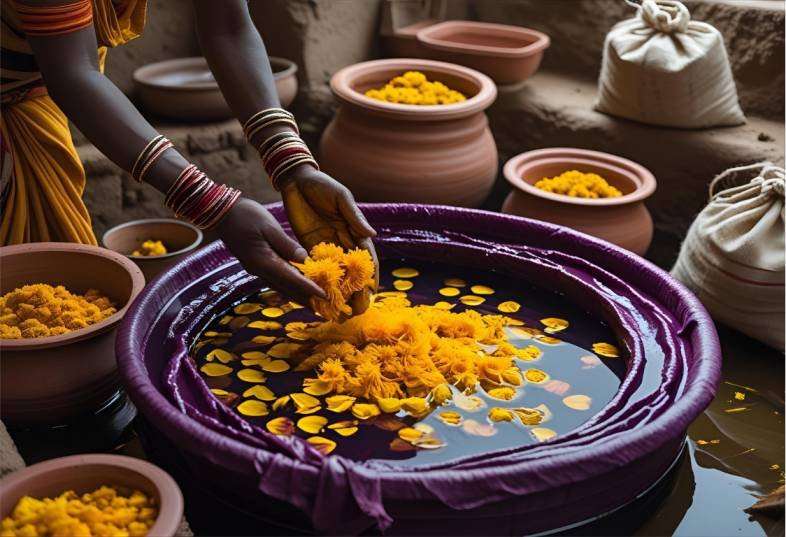
Picture this: a workshop in Rajasthan with baskets of marigold petals on the floor, turmeric-scent in the air, and women laughing as they stir the dye pots. That’s what some startups are doing with kitchen waste — turning it into colour.
Regenerative Organic Cotton
A farmer in Madhya Pradesh once told me, “The soil feeds us if we feed it back.” Regenerative cotton is exactly that — not just avoiding chemicals but reviving tired land.
Waste Segregation and Recycling in Panipat
The first time I visited Panipat’s recycling lanes, I realised “textile waste” isn’t a neat category — it’s a mountain of colours, textures, and smells. Here, old hotel sheets become blankets, factory discards become yarn. It’s messy but it works.
Upcycling as Local Livelihood
In many towns, women stitch bags from factory leftovers not to follow a trend — but because it puts dinner on the table. Sustainability isn’t a buzzword here; it’s survival.
Government-Backed Circular Pilots
Policies sound dry on paper, but the Gujarat green textile park proposal had me imagining a whole neighbourhood where waste moves in loops, not landfills. It’s early days, but you can feel a shift. NITI Aayog’s circular economy roadmap is creating momentum for policy-backed innovation.
Why These Shifts Matter
On their own, these changes might look tiny — a mending circle here, a dye workshop there. But string them together and you can see the fabric shifting. It’s becoming less about endless production and more about the people behind the stitches. Less “buy, wear, toss” — more “keep, mend, reimagine.” That’s a mindset shift—and it’s happening.
The next time you buy a kurta or drape a dupatta, think: Was this made to last—or made to be forgotten?
5 Critical Challenges Blocking Circular Textile Adoption in India
The Reality Check: Why Progress is Slow
Let’s be honest—while the shift toward circularity is exciting, it’s far from easy. I used to assume that if something is sustainable, people would just do it. But then I spoke to a friend working with a women’s stitching unit in Jaipur, and she said something that stuck with me:
“We want to reuse and recycle. But where’s the system for it?”
That’s the thing. Circular economy sounds lovely on paper. But walk into a dye house in Surat or a tailoring unit in Jaipur, and you’ll see—it’s not that simple. All of them are slowing down what could be a major transformation in India’s textile world.
Challenge 1: Infrastructure and Collection System Gaps
Circular systems rely on proper sorting, collection, and reprocessing of textile waste. But in most Indian towns and cities, we barely have this for plastic or food waste—let alone fabrics.
- There’s no reliable way for brands or tailors to feed fabric scraps back into the system.
- Rural areas often burn textile waste due to a lack of pickup services.
- Even big cities like Delhi or Mumbai rarely have textile-specific recycling centers.
Challenge 2: Higher Initial Costs Create Barriers
One time I compared a handmade linen shirt (₹3,000) with a mall shirt (₹799) while holding both in my hands. My heart wanted the linen. My bank account wanted the mall shirt. I’ll be honest — sometimes the cheaper one wins.
Challenge 3: Consumer Awareness and Education Deficit
I’ve had people tell me “Oh, circular fashion is just about recycling, right?” over chai. It’s not — but that confusion is common. And greenwashing doesn’t help.
Challenge 4: Fast Fashion Industry Resistance
Let’s not forget: the big players profit from speed and disposability. They flood the market with trendy, cheap clothes. And while a few have launched “recycled” lines, they’re often a drop in the ocean—more marketing than movement.
Challenge 5: Small Business Overwhelm and Support Gaps
Tailors, weavers, and local dyers are already under stress. Asking them to suddenly go zero-waste, track every fiber, or use new materials—without support—can feel overwhelming. Some feel left out of the sustainability conversation altogether.
Where Do We Go From Here?
Real talk: these challenges are real. But recognizing them is the first step to solving them. If we want circularity to work in India, we have to build tools, not just talk, and make sure the shift includes the people who’ve been sustaining textile traditions for generations.
Success Stories: Circular Economy in Action Across India
From Theory to Practice: Indian Brands Leading Change
Sometimes, circular economy sounds like this big academic idea—systems, models, policies. But in India, it often shows up in much humbler ways: in a weaver’s hand, a tailor’s habit, or a small business doing things differently—not for the trend, but for survival and pride.
Here are a few stories that show how the circular economy in India’s textile sector isn’t just theory—it’s happening on the ground.
Doodlage: Transforming Factory Waste into High Fashion
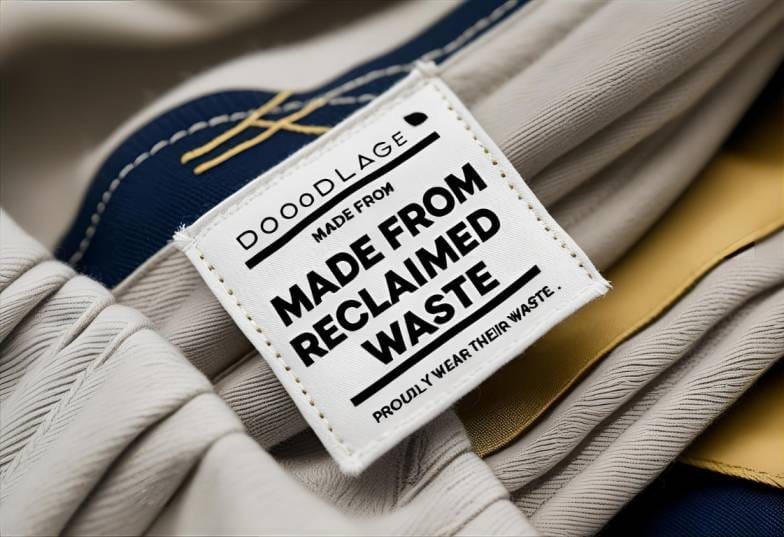
Delhi-based brand Doodlage has become a poster child for upcycled fashion in India. They collect factory waste, rejected rolls, and post-production fabric scraps, then turn them into edgy, wearable collections. Each piece is unique. Their philosophy? Fashion shouldn’t cost the planet.
Panipat: India’s Textile Recycling Hub
In Panipat, Haryana, thousands of tons of discarded clothes—often from Western countries—are broken down into fibers and rewoven into blankets, rugs, and yarn. It’s not glamorous work, but it supports entire communities and keeps massive amounts of textile waste from landfills.
Surat’s Low-Waste Dye Houses
Surat is one of India’s dyeing capitals. Some small dye units have begun experimenting with waterless dyeing technologies, natural colorants, and wastewater recycling systems. It’s still a work-in-progress, but it signals change in an industry known for pollution.
I Was A Sari: Giving Saris New Life
This Mumbai-based social enterprise repurposes pre-loved saris into handbags, accessories, and ready-to-wear pieces. Even better? They train underprivileged women to create them, combining circularity with empowerment.
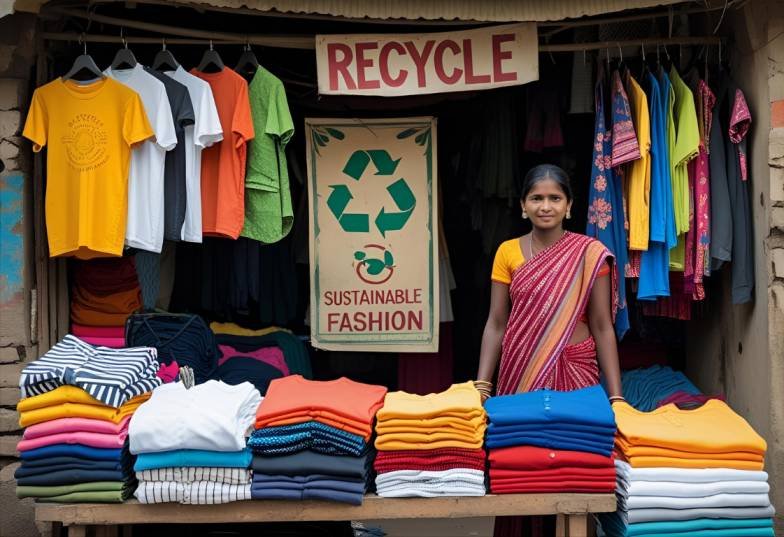
These aren’t perfect systems. But they’re tangible. They show us that the circular economy isn’t just a distant future—it’s already being stitched into India’s fabric, one piece at a time.
Industry Experts Weigh In
Ravi Kapoor, Director of Textile Sustainability, FICCI:
“The circular economy in textiles isn’t just an environmental imperative—it’s an economic opportunity worth billions for India.”
Dr. Meera Sharma, Sustainable Fashion Researcher, NIFT Delhi:
“Indian consumers are increasingly aware, but the industry needs better infrastructure to support their sustainable choices.”
Rajesh Patel, Founder, Panipat Recycling Collective:
“We process 200 tons of textile waste monthly. The demand for recycled fibers is growing 25% year-on-year.”
Complete Consumer Guide: Joining India’s Circular Fashion Revolution
Starting Your Circular Fashion Journey
Let’s face it: most of us aren’t designers or sustainability experts. We’re just people trying to look decent, feel good, and not add to the giant pile of waste our planet is already drowning in. The good news? You don’t need to be perfect to start thinking circular.
For me, it began with just one decision: to get my favorite old kurta altered instead of buying a new one. I didn’t think much of it, honestly. But that simple act—choosing repair over replace—made me look at my wardrobe in a new light.
Circular fashion isn’t about throwing out your entire closet and buying expensive ‘eco’ brands. It’s about rethinking habits—and together shaping the India circular fashion movement. No matter your lifestyle, there’s a way in.
Immediate Actions You Can Take Today
✅ Rent Instead of Buy (Sometimes)
- Platforms like Rent It Bae, Stage3, and Flyrobe offer stylish ethnic wear for weddings, events, and office parties.
- Great for students, professionals, or anyone tired of wearing the same outfit twice on Instagram.
✅ Choose Quality Over Quantity
- Look for natural fabrics like cotton, hemp, or linen—especially when sourced locally.
- Ask tailors or storekeepers about where clothes are made.
✅ Support Indian Slow Fashion Brands
- Explore homegrown circular-conscious brands like Okhai, Bhoomi, Doodlage, and Bareek.
- Many work with rural artisans or focus on low-waste techniques.
✅ Love What You Already Own
- Alter, patch, re-style. A dupatta can become a blouse. Old jeans can become a tote.
- It’s not less fashionable—it’s more you.
For Different Lives, Different Paths
- Students on a budget? Try thrift apps like Spoyl or Kiabza.
- Busy moms? Start with repair, swaps, or upcycled kidswear.
- Urban professionals? Set a monthly “no-buy” challenge or swap outfits with friends.
The point isn’t to be perfect. The point is to start.
Circularity, at its heart, is about valuing what we have, respecting how it’s made, and imagining new life for what we’d normally toss aside.
Market Impact: Data Behind India’s Circular Textile Movement
Environmental Cost Analysis: The True Price of Fast Fashion
It’s easy to underestimate how much damage one piece of clothing can do—especially when it only costs a few hundred rupees. But the numbers tell a different story.
Did you know that making just one kilogram of cotton fabric can use over 10,000 liters of water? That’s more than what a typical Indian household uses in ten days. And yet, millions of garments are discarded every year—some never even worn.
In India, the textile and apparel industry is the third-largest contributor to industrial pollution, after oil and chemicals. From toxic dyes in rivers to landfills overflowing with synthetic fabric, the damage is no longer invisible.
Economic Benefits: The ₹2000+ Crore Opportunity
Switching to circular models in the India textile circular economy isn’t just about waste reduction—it’s about rethinking the entire value chain:
- Panipat’s recycling hubs create employment for thousands.
- Upcycling businesses in Mumbai, Delhi, and Jaipur offer second incomes to home-based workers, many of them women.
- According to a Fashion for Good India report, embracing circular textile practices could unlock ₹2,000+ crore in new value by 2030.
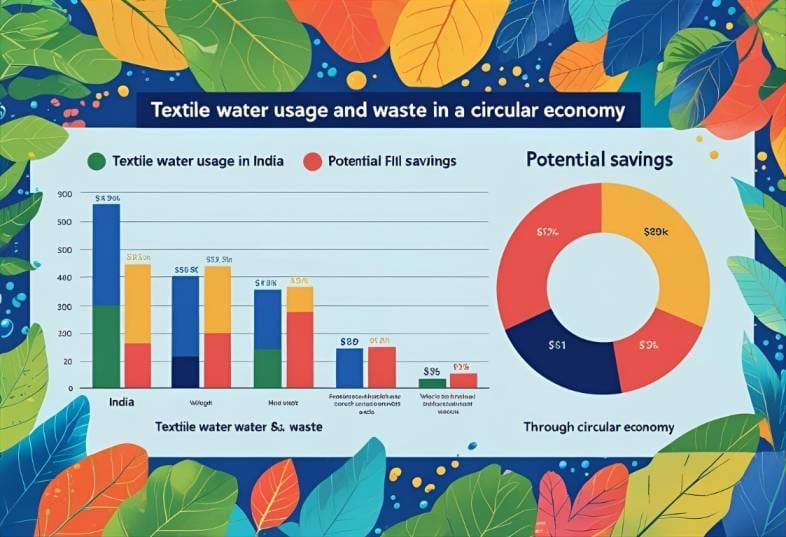
The takeaway? This isn’t only about the environment. It’s also about whether a weaver in Panipat can pay school fees, whether our rivers stay clear enough to bathe in, and whether traditions survive the next generation.
Source Transparency Note:
Environmental and economic data in this section draw from publicly available studies by Fashion for Good, Water Footprint Network, and India’s textile research bodies.
Your 30-Day Circular Fashion Action Plan
You don’t have to be an eco-warrior or a zero-waste guru to make a difference. Some of the most powerful shifts toward circularity begin with the quietest choices.
Still have a closet full of fast fashion? Me too. I’m not proud of it, but I’ve learned that guilt doesn’t change behavior—permission does. Permission to start imperfectly. To try one thing. To skip the impulse buy. To learn how to fix a button or pass down an old kurta.
Micro-Actions Anyone Can Try
- Donate thoughtfully: Give to local NGOs that distribute clothes directly.
- Use tailoring apps: Services like CloudTailor or TeeBee offer easy alterations.
- Explore upcycled finds: Try platforms like Refash or Instagram thrift accounts.
- Swap with friends: Host a casual clothing swap with your circle. It’s fun and free.
- You don’t need a sustainability certificate to care.
- Start with what you already have. Start with what feels doable. Just start.
- Interested in other grassroots climate actions? The Ultimate Guide to Creating a Thriving Balcony Garden
Frequently Asked Questions: Circular Economy India Textile
What is the circular economy in clothing?
It means designing clothes to be reused, repaired, or recycled—instead of just worn and thrown away. In India, this could look like upcycled saris, rental fashion, or fabric scraps turned into bags.
How is the circular economy different from recycling?
Recycling is part of the circular model, but circularity starts earlier—with design, sourcing, and how we use clothes. It’s about creating less waste in the first place, not just cleaning up afterward.
Can I buy circular fashion online in India?
Yes! Check out platforms like Doodlage, Refash, I Was A Sari, and Okhai. Some thrift apps and Instagram stores also specialize in pre-loved or upcycled items.
Is circular fashion affordable for students or budget-conscious shoppers?
Yes — and I say that as someone who once survived a whole year of weddings by rotating two rented saris and one thrifted kurta. Renting, swapping, and altering are often cheaper than buying new.
How do I know a brand isn’t greenwashing?
I have a rule: if a brand just says “eco-friendly” without showing pictures, processes, or people, I keep scrolling.
Do any Indian cities support circular textile efforts?
Yes! Panipat is a recycling hub. Surat and Tiruppur are testing low-impact dyeing. Cities like Mumbai and Bangalore are also seeing a rise in repair cafés and sustainable fashion events.
From Awareness to Action: Your Next Steps Forward
When I first began learning about sustainability in clothing, the numbers felt overwhelming and the jargon distant. Over time, I realized the circular economy isn’t an abstract theory — it’s a shift already rooted in India’s textile culture. From Panipat’s recycling lanes to Mumbai’s sari upcycling hubs, the circular economy in India’s textile industry is both a revival of tradition and a roadmap for the future.
Globally, countries like the EU and Bangladesh are investing billions in textile circularity — from extended producer responsibility laws to large-scale recycling plants. India may be at an earlier stage, but its grassroots innovations and vast textile base give it a unique edge. If supported with stronger infrastructure and policy, India can position itself as a global leader in circular fashion, not just a participant.
The real takeaway? Circularity doesn’t demand perfection. It begins with valuing what we already own, repairing instead of replacing, and supporting designers and workers who see waste as resource. Whether you’re a student renting outfits, a parent altering kids’ clothes, or a business exploring low-waste supply chains, you’re part of the story.
India has always been resourceful at heart. Now, through the circular economy in India’s textile sector, it has the chance to show the world how circularity can weave sustainability, livelihood, and culture together—one thread at a time.
About Author
Written by Soumen Chakraborty, Founder of Ecoplanet and Environmental Researcher focusing on India’s pollution and sustainable development.
Some of the images in this story were created using AI to help illustrate key concepts more clearly. They’re meant to support learning—not simulate real-world scenes.