

Introduction
Ever feel like your dustbin fills up too fast? You’re not alone. According to a 2024 report by the Central Pollution Control Board (CPCB), the average Indian household generates over 450 grams of solid waste per day—much of it non-recyclable plastic, food scraps, and packaging.
Living a zero-waste life doesn’t mean turning your life upside down. It simply means making smarter, more sustainable choices with what you use every day.

Whether you’re a student in a hostel, a working professional in a city flat, or a parent running a busy Indian household, these ideas are practical, affordable, and beginner-friendly.
In this guide, you’ll discover room-by-room zero waste home ideas to help you cut down waste in your kitchen, bathroom, bedroom, living room, and even your workspace. From easy swaps and Indian brand suggestions to budget-friendly hacks—everything here is tailored for real Indian homes.
Quick Recap:
- Use steel dabbas & cloth bags
- Buy in bulk from the kirana stores
- Start composting in a terracotta pot
For beginner steps and a 30-day zero-waste plan, see our main Zero-Waste Lifestyle Guide. This page focuses only on room-by-room ideas and practical home-level swaps.
Table of Contents
Why Go Zero Waste at Home?
Before we dive into specific zero waste home ideas, it’s important to understand why zero waste living matters, especially in a country like India.
The Problem with Household Waste in India
India produces over 62 million tonnes of waste every year, and a large part of it comes from homes. From grocery packaging to takeout containers and single-use plastics, everyday household items pile up fast, clogging landfills and polluting rivers.
Most Indian cities struggle with solid waste management. Waste segregation is low, recycling systems are weak, and the problem gets worse during festivals or busy family events. If we don’t change our habits at home, we can’t expect a cleaner, greener India.
Benefits of Zero Waste Living
Adopting a few smart zero-waste home ideas can lead to big results:
- Saves money – Reusables reduce repeat purchases
- Less clutter – You keep only what you truly need
- Better health – Fewer chemicals, plastics, and processed goods
- Eco-friendly – Every small step helps the planet breathe better
- Sets an example – Kids, family, even neighbors may follow your lead
It’s not about being perfect. It’s about being mindful. When we choose cloth bags over plastic ones or compost kitchen scraps instead of throwing them away, we’re part of a growing movement—one that cares about the Earth without sacrificing comfort.
In the next sections, we’ll explore practical zero waste home ideas you can apply room by room, starting with the kitchen, where most waste begins.
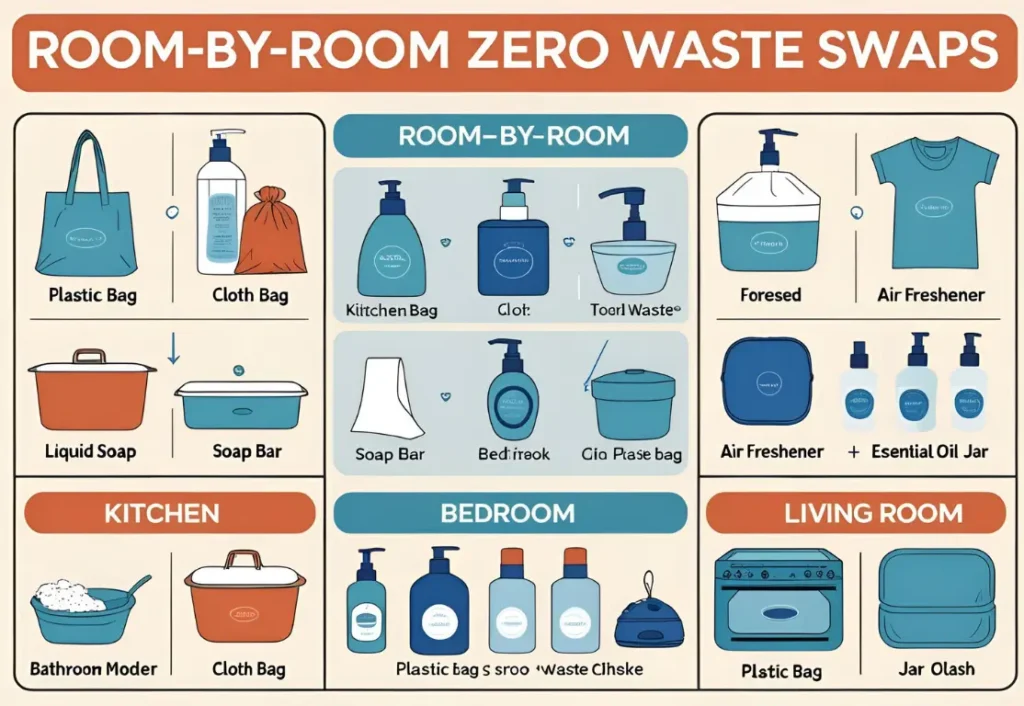
Room-by-Room Zero Waste Home Ideas
Zero Waste Home at a Glance: Quick Room-by-Room Checklist
Room | Top Zero Waste Swaps | Indian Brands to Try |
Kitchen | Secondhand furniture, LED lighting, and minimal decor | Bare Necessities, Green Feathers |
| Bathroom | Bamboo toothbrush, soap bars, menstrual cups | Beco, Boondh, Eco Femme |
Bedroom | Declutter, organic bedding, upcycling | Ethicus, Go Native |
Living Room | Secondhand furniture, LED lighting, and minimal decor. | Local markets, handmade crafts |
Zero Waste Kitchen Ideas for Indian Homes: Easy Swaps to Start With
These kitchen ideas expand beyond the basic swaps in our Zero-Waste Lifestyle Beginner
Guide by offering practical, room-by-room actions tailored for Indian homes.

Why It Matters
In Indian homes, the kitchen is where most waste is generated—plastic wrappers, food scraps, packaging, and disposables. It’s the ideal room to kick-start your zero waste lifestyle with simple, high-impact swaps.
Your kitchen generates the most daily waste, from wrappers to scraps. But smart swaps can turn it into your zero-waste HQ.
Compost your kitchen waste and use it to grow food with our balcony garden kit guide.
Switch to Reusables
Start with the basics:
- Replace plastic containers with steel dabbas or glass jars
- Use cloth bags for vegetables and groceries instead of polythene bags
- Swap cling film with cloth bowl covers or beeswax wraps
In India, stainless steel lunchboxes, masala dabbas, and dabba delivery culture already support low-waste habits. You just need to build on them.
Buy in Bulk & Go Local
- Purchase grains, lentils, and spices from local kirana stores or bulk bins—carry your cloth bags or jars
- Avoid products packed in multilayer plastic—choose loose produce and paper-wrapped alternatives
- Support local vendors or organic stores that promote minimal packaging
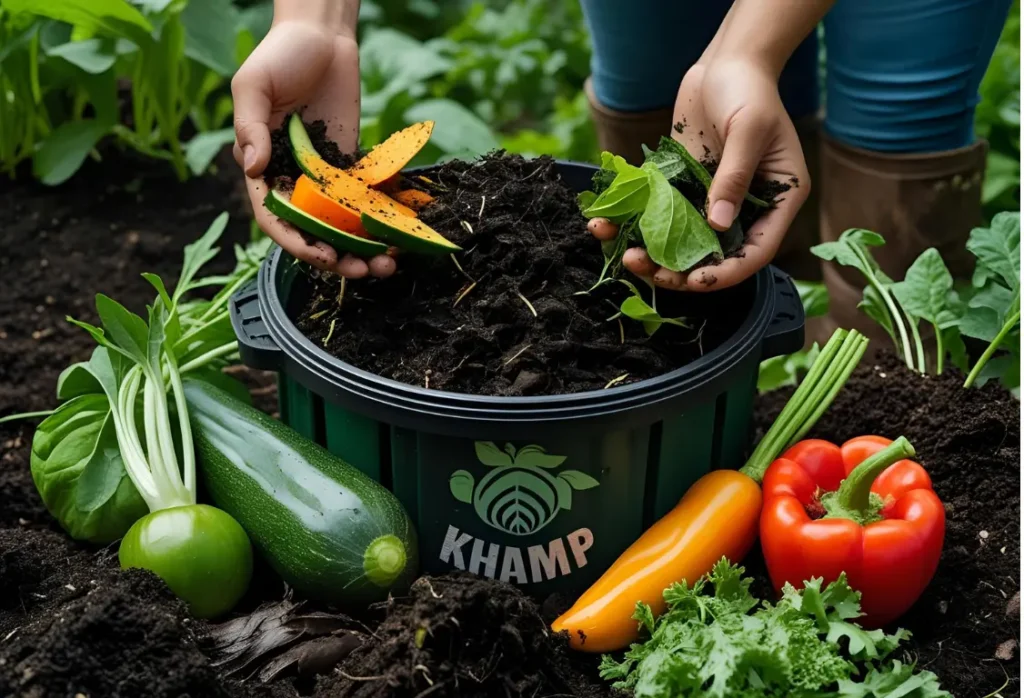
Compost Food Waste
Most Indian homes generate vegetable peels, fruit skins, and leftover rice daily. Don’t throw them away—compost them!
- Use a terracotta pot, a bokashi bin, or even a DIY plastic bucket to start
- Composting reduces landfill waste and creates rich soil for plants
Urban Innovations: Refill Stations & Community Composting
Living in an Indian city? You’re not alone—and you’re not without options.
- Many urban areas now offer refill stations for household cleaners, grains, and spices—look for local options like Refillable in or zero-waste stores in Bengaluru, Pune, or Delhi.
- Apartment residents can try community composting hubs or collective khambas (check out Daily Dump or local RWA initiatives).
Ditch Disposable Cleaners
- Use reusable cloth wipes instead of paper towels
- Make your cleaning solution with lemon peels + vinegar
- Try Indian brands offering eco-friendly dishwashing bars and natural cleaners
The kitchen is a powerful starting point. These zero-waste home ideas not only reduce your footprint, but they also often save money. Ready for the next room? Let’s step into the bathroom, where eco-friendly habits can make a big difference. Try eco-friendly dishwashing bars from Bare Necessities or Beco.
For step-by-step beginner guidance and a 30-day starter plan, see our Zero-Waste Lifestyle Pillar.
This Home Ideas guide focuses only on room-by-room practical actions.
Zero Waste Bathroom Ideas: Easy Sustainable Swaps You’ll Use
These bathroom ideas expand on the basic beginner swaps from our Zero-Waste Lifestyle Pillar by offering more detailed, room-specific solutions.

Why the Bathroom Matters
- Switching to reusable or natural products reduces plastic load significantly.
- Filled with daily-use disposables such as shampoo bottles, razors, cotton pads, and plastic-wrapped toiletries.
- Most bathroom waste is non-recyclable, ending up directly in landfills.
Swap Plastics for Natural Alternatives
Start with your daily use items:
- Toothbrush: Switch from plastic to bamboo toothbrushes (Indian brands like Beco, Bamboo India)
- Toothpaste: Try tooth powder or paste in recyclable jars
- Earbuds & combs: Choose bamboo or metal over plastic
Small changes in your hygiene routine can significantly reduce landfill waste.
Switch to Soap Bars & Refills
- Use soap bars instead of bottled body wash or shampoo
- Choose hair oil and body lotion in glass containers
- Refill stations (now available in some Indian cities) are a great way to avoid new packaging
Soap bars last longer and come with minimal or compostable wrapping. Plus, they support local artisans and small businesses.
Sustainable Period Care
For menstruators, this is one of the most impactful areas to go zero waste:
- Use menstrual cups, cloth pads, or period underwear
- Indian brands like Carmesi, Boondh, and Eco Femme offer safe, reusable options
- These options save money and reduce 1000s of pads from going to landfills
Reduce Water + Chemical Waste
- Install low-flow showerheads or use bucket baths to cut water use.
- Replace chemical scrubs with natural alternatives like besan, multani mitti, or coffee grounds.
- Avoid chemical-heavy cleaners; choose natural or plant-based options instead.
Try Smart Zero Waste Tools for Apartment Living
Urban living comes with space and regulation constraints, but also tech-driven solutions.
- Apps like MyGate Recycling, Sampurn(e)arth, and TrashCon help track waste, schedule pickups, and ensure proper disposal.
- Some buildings have installed low-water-use fixtures and refill counters in parking areas.
By making your bathroom more eco-friendly, you can drastically cut down on plastic waste and harmful chemicals. These zero-waste home ideas are not only healthier for you, but also kinder to the Earth.
How to Create a Zero Waste Bedroom: Declutter & Simplify Indian Style

Why the Bedroom Creates Hidden Waste
- Simplifying the bedroom reduces overconsumption and stress.
- Accumulates clutter such as unused clothes, synthetic decor, and old electronics.
- Fast fashion contributes to textile waste and microplastic pollution.
Start with a Minimalist Declutter
The best zero waste idea? Use what you already have.
- Clear out clothes you haven’t worn in over a year
- Donate gently used items to local NGOs or recycling drives
- Upcycle torn clothes into cleaning rags or DIY cushion covers
- Store essentials in reused boxes, baskets, or jars instead of buying new organizers
Decluttering means letting go of what you no longer need, thoughtfully and with purpose.
Choose Natural, Sustainable Materials
Many Indian households use synthetic bedsheets, foam mattresses, and plastic decor.
Instead, consider:
- Organic cotton sheets (brands like Go Native or Ethicus)
- Handwoven blankets or khadi for colder seasons
- Decor made from bamboo, jute, wood, or terracotta
Avoid over-decorating. A simple, natural bedroom is easier to maintain and much more peaceful.
DIY Natural Room Fresheners
- Mix baking soda with essential oils for long-lasting fragrance.
- Boil cardamom, cinnamon, or cloves for an instant fresh aroma.
- Use dried rose petals or neem leaves in cloth pouches as natural air fresheners.
These Indian-inspired natural fresheners are chemical-free, reusable, and gentle on health.
Be Energy-Wise
- Use LED bulbs or solar lamps for lower electricity use
- Unplug chargers and devices when not in use
- Let natural light and fresh air into the room as much as possible
When your bedroom feels clear, clean, and low-waste, it becomes more than just a place to sleep—it becomes a part of your sustainable lifestyle. These zero-waste home ideas are perfect for Indian households looking to live with less and feel more grounded. Menstrual cups from Boondh or Eco Femme offer reusable, chemical-free care
Zero Waste Living Room Ideas: Stylish & Sustainable Indian Solutions
Why the Living Room Generates Waste
- Frequent redecorating leads to high material turnover.
- Decor, electronics, gifts, and unnecessary purchases create hidden waste.
- Packaging from online orders quickly accumulates.
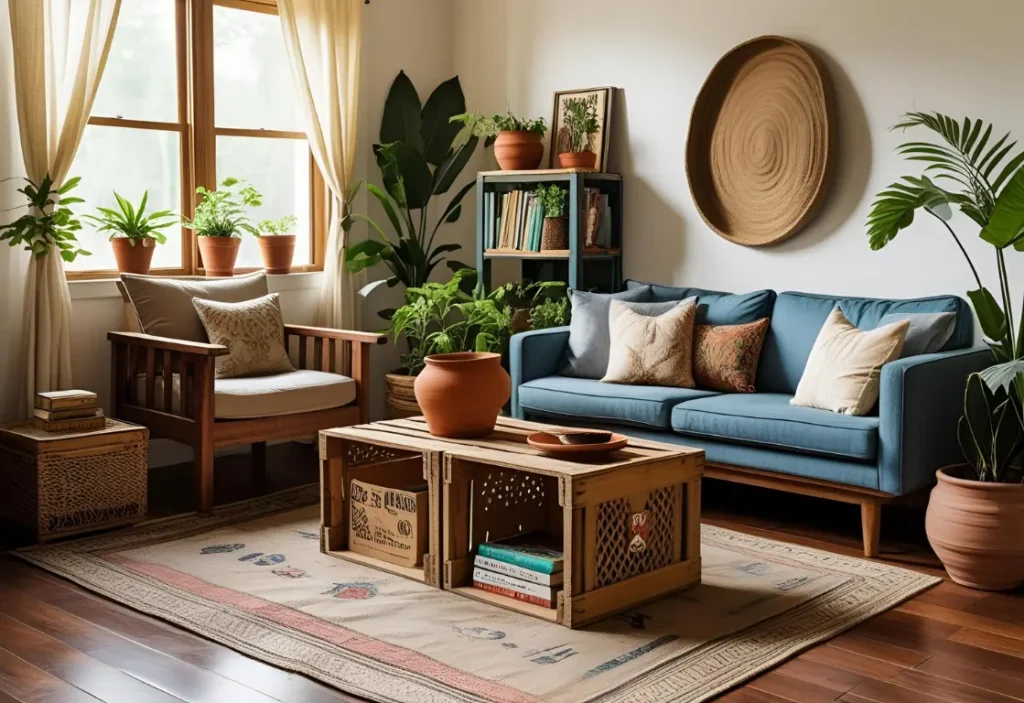
Choose Timeless, Sustainable Furniture
You don’t need to throw out everything and buy “eco-friendly” products. Instead:
- Buy secondhand or repurpose existing furniture
- Choose items made from wood, bamboo, cane, or upcycled materials
- Use old trunks or crates as storage/coffee tables
- Support local Indian carpenters or secondhand markets
Remember: Buying less is the most zero-waste move of all.
Decor with Purpose
- Choose handmade crafts, terracotta, bamboo, jute, or brass for sustainable decor.
- Turn leftover fabrics into cushion covers, table runners, or wall hangings.
- Display postcards, DIY art, or family photos instead of mass-produced prints.
Focus on fewer, meaningful items rather than lots of trendy things that create visual and physical clutter.
Spotlight: Indian Startups Leading the Way
Support India’s zero waste revolution by choosing from powerful homegrown brands:
- Green The Map: Upcycled home and fashion products
- Loopworm: Turns food waste into animal feed
- Bare Necessities: Full-suite zero waste kits + education
Declutter and Reorganize Responsibly
- Donate or freecycle old decor, furniture, or electronics.
- Use what you already have: glass jars, baskets, tin boxes, wooden trays.
- Avoid buying plastic organizers — repurpose containers instead.
This reduces your need to buy new plastic organizers or acrylic trays.
Energy-Saving and Low-Tech Comfort
- Use LED or solar lamps to reduce energy consumption.
- Switch off TV, set-top box, and router when not needed.
- Open windows during evenings to improve airflow naturally.
These small, low-tech changes save both energy and bills.
Your living room doesn’t need to be wasteful to be beautiful. With just a few creative zero-waste home ideas, you can make it a low-impact, high-comfort zone that reflects your values and style.
Bonus: How to Build a Zero Waste Mindset That Lasts
Adopting zero waste habits in your home starts with the right mindset. Without it, even the best zero-waste home ideas can feel overwhelming or short-lived. Here are some powerful mindset shifts to support your journey.
Follow the 5 Rs (Refuse, Reduce, Reuse, Recycle, Rot)
These five principles are the foundation of zero waste living:
- Refuse what you don’t need – Say no to freebies, plastic cutlery, and extra packaging
- Reduce what you do need – Buy only what you’ll use
- Reuse – Choose durable, refillable, or repurposed items
- Recycle – As a last resort, follow your local recycling rules
- Rot – Compost organic waste like food scraps and dried leaves
Before you buy, ask: Can I refuse, reduce, or reuse this?
Start Small and Stay Consistent
Don’t try to change everything overnight.
- Begin with one room or one habit (e.g., ditching plastic bags or starting a compost bin)
- Track your progress weekly—this creates motivation
- Celebrate small wins like using the same steel bottle for 30 days or making your cleaners
Zero waste is not about perfection. It’s about progress—one small, consistent step at a time.
Involve the Family or Roommates
Living with others? Make it a team effort, not a solo mission.
- Educate them gently—explain the why, not just the what
- Create a fun challenge like “no plastic week” or DIY compost jars
- Share tasks like washing reusables, sorting waste, or shopping in bulk
- Let kids help fold cloth bags or decorate reused containers
When everyone contributes, maintaining zero waste habits becomes easier—and more fun.
Shifting to a low-waste lifestyle begins in the mind. With the right habits, support, and goals, you can turn every room of your house into a zero-waste home that truly works for your life.
Explore how zero waste and minimalism align with environmental education, like light pollution awareness art.
Real Voices from Zero Waste India
Shruti Jain, Mumbai (Urban Apartment Dweller)
“I started composting in my 1 BHK with a Daily Dump khamba. My neighbours were curious, and now our whole floor consists of us together! It’s saved us on waste pickups and made our plants thrive.”
Arjun Mehta, Bangalore (Techie-Turned-Zero Waster)
“Switching to steel dabbas and refill stations felt small, but it cut our plastic trash in half. Refillery shops near Indiranagar made it super convenient—even my roommates got on board.”
Saira Begum, Hyderabad (Homemaker)
“I stopped buying plastic-wrapped veggies and began using old dupattas as market bags. It’s nostalgic, budget-friendly, and the sabziwala smiles at me every time!”
Future Trends in India’s Zero Waste Movement
As India accelerates toward sustainability, innovations are taking shape:
- Zero-waste housing colonies in Mysuru, Indore, and Chennai
- Govt initiatives like AMRUT 2.0 & Swachh Bharat Urban 2.0 are improving waste collection and segregation
- Community-led bulk buying clubs and tiffin delivery networks using reusable containers
Download your Zero Waste Home Checklist (India Edition) to track your progress room by room. Download PDF
Conclusion: Your Home, Your Zero Waste Journey
Building a zero waste home doesn’t mean being perfect or giving up comfort. It’s about making thoughtful choices, one step at a time. Whether it’s switching to a bamboo toothbrush, composting veggie peels, or reusing old sarees as cushion covers, every small action adds up.
Every room in your home offers simple ways to cut waste and live sustainably. You don’t need to spend more or redesign your space. Start small. Use what you have. Get creative.
By applying these zero waste home ideas, you’re not just helping the planet—you’re saving money, reducing clutter, and inspiring others around you.
Change begins at home, and your journey can start today.
Try one swap from this guide this week. Share your progress with friends or family. And come back often—we’ll keep sharing more tips to support your sustainable lifestyle.
Disclosure: Some product or store mentions may include affiliate links. We only recommend items we personally use or have verified. This does not affect the price you pay.
Frequently Asked Questions (FAQs)
What are some easy zero-waste home ideas for beginners in India?
Start with reusable bags, compost bins, and swapping plastic for steel or bamboo in the kitchen and bathroom.
How do I start a zero-waste lifestyle in a rented apartment?
Begin with portable options like cloth bags, refill jars, menstrual cups, and composting in a bucket.
Which Indian brands offer eco-friendly products for zero waste living?
Try Boondh, Beco, Bare Necessities, Eco Femme, and Green Feathers for Indian-made sustainable products.
Can I go zero waste on a budget?
Yes! Reuse jars, upcycle old clothes, shop local, and make DIY cleaners to save money and reduce waste.
What is the best composting method for Indian homes?
Use a terracotta khamba, bokashi bin, or a simple DIY compost bucket for kitchen scraps and garden waste.
How do I make my kitchen zero waste in India?
Buy in bulk from kirana stores, use steel dabbas, cloth bags, and compost food waste regularly.
Is zero waste possible in Indian cities like Mumbai or Delhi?
Absolutely—start small with reusable products, composting, and supporting local refill stations or organic markets.
Why is zero waste living important for Indian households?
It reduces landfill load, saves money, improves health, and helps build a sustainable future for growing families.
Author Bio
Written by Soumen Chakraborty, Founder of Ecoplanet and Environmental Researcher focusing on India’s pollution and sustainable development.
Learn More About Zero Waste Living in India?
- Zero-Waste Lifestyle in India: A Beginner’s Complete Guide (2025) →
- How to Start a Zero Waste Journey
Government & Policy Resources for Zero Waste India
- CPCB – Central Pollution Control Board Reports
- Swachh Bharat Urban 2.0 – Clean Cities Mission
- MoHUA – Ministry of Housing & Urban Affairs
Kitchen Recap: Top 5 Zero-Waste Swaps
Make your kitchen cleaner, greener, and wallet-friendly with these quick wins:
- Ditch plastic – Use steel dabbas and glass jars for food storage
- Shop smart – Carry cloth bags and buy in bulk from your local kirana store
- Compost – Turn veggie peels and leftovers into rich soil using a terracotta khamba or bokashi bin
- Switch cleaners – Use dish bars or DIY solutions with lemon peels + vinegar
- Wipe waste – Replace paper towels with reusable cloth wipes
Useful Resources & Indian Zero-Waste Tools
Explore these handpicked Indian brands, composting solutions, and community initiatives to support your zero-waste journey:
- Swachh Bharat Urban 2.0 – Clean India government mission
- Bare Necessities – Zero waste kits & home goods
- Daily Dump – Composting tools for urban homes
- Boondh – Reusable menstrual care products
- MyGate Recycling – Apartment-level waste pickup
References:
- Daily Dump Composting Guide, Bengaluru (2024).
- Ministry of Environment, Forest & Climate Change (MoEFCC). Plastic Waste Management Rules, 2016 (Amended 2022). https://moef.gov.in
- Central Pollution Control Board (CPCB). India Waste Generation and Plastic Data, 2023–2024. https://cpcb.nic.in
- Swachh Bharat Mission – Urban 2.0. Ministry of Housing and Urban Affairs. https://swachhbharaturban.gov.in
- Chintan Environmental Research and Action Group. Solid Waste Management Reports (2023).
Some of the images in this article were generated using AI to help illustrate concepts. They are not photographs of real events or locations.

- Groundwater Pollution in India (2025): Nitrate, Fluoride & Arsenic Contamination Explained - December 1, 2025
- How Air Purifiers Work: Real Science, Real Effectiveness & India-Focused 2025 Guide - November 20, 2025
- Indoor Air Pollution in India (2025 Guide): Hidden Sources & Health Risks - November 16, 2025