
Introduction
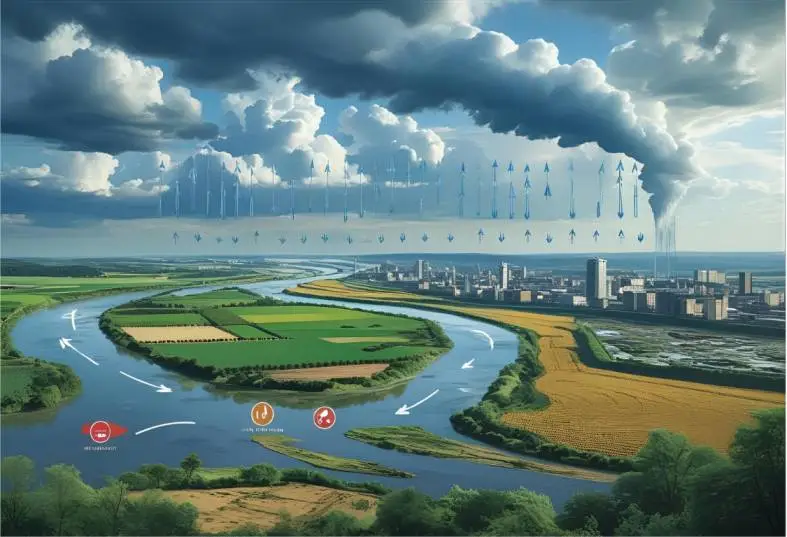
Imagine waking up to find your neighborhood lake covered in green algae, with fish struggling for oxygen and a foul smell drifting through the air. This is not just an occasional problem—it’s often the result of non-point source pollution, a hidden threat that affects water, soil, and even the food we consume.
Unlike pollution from a single factory pipe or drainage outlet, non-point source pollution originates from diffuse, widespread areas, making it difficult to trace and control.
Pesticides wash off farm fields. Oil and trash are swept away by rain on city streets. These pollutants silently collect in rivers, lakes, and coastal waters. Over time, they harm wildlife, threaten drinking water, and damage our health.
In this guide, you’ll discover what non-point source pollution is, explore its main causes, learn how it impacts the environment and human health, and find out practical ways to prevent it. Whether you’re a student, an eco-conscious family, or a sustainability professional, this article will give you clear steps to understand and reduce nonpoint source pollution in your community.
According to global water-quality assessments by the World Health Organization, non-point source pollution is one of the major contributors to water degradation worldwide. Runoff containing fertilizers, pesticides, and untreated waste poses serious risks to both ecosystems and human health.
Recent UNEP assessments highlight that non-point source pollution is a major contributor to freshwater contamination in developing countries, largely driven by agricultural runoff and urban stormwater.
Regional assessments indicate widespread surface water contamination in parts of South Asia, with diffuse pollution being a significant contributor to nutrient loading in major rivers.
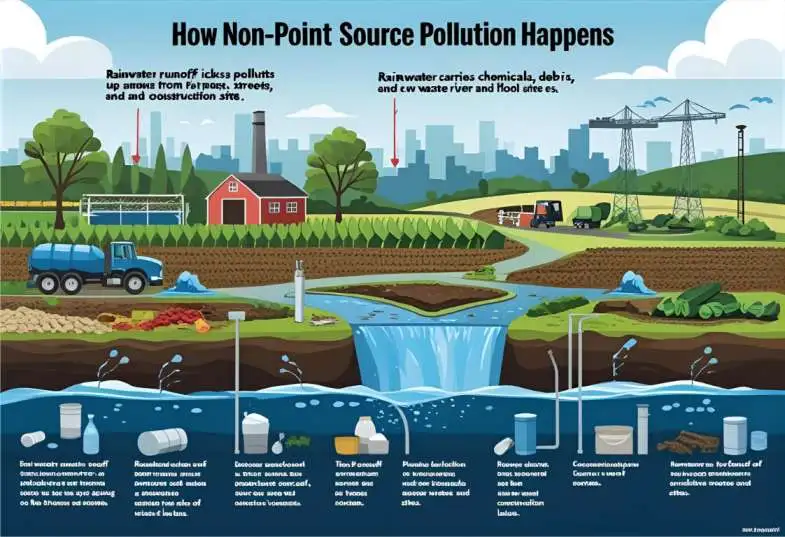
Table of Contents
What Is Non-Point Source Pollution?
Definition and Key Characteristics
Non-point source pollution refers to pollution that does not come from a single, identifiable place, like a factory pipe or a wastewater drain. Instead, it comes from many diffuse sources spread over large areas. This makes it tricky to track and control.
When rainwater or melting snow flows over roads, farms, construction sites, and lawns, it picks up soil, chemicals, oil, and trash along the way. These pollutants then wash into streams, rivers, and lakes without any treatment. These scattered sources are why we call it non-point pollution.
This type of pollution is different from point source pollution, which comes from clear locations like industrial discharge pipes. With point sources, it’s often easier to measure and regulate the pollution. But non-point sources are unpredictable because they depend on weather, land use, and human habits.
To learn more about expert definitions, consult the official EPA Nonpoint Source Pollution resources.
Common Sources
Non-point source pollution can happen almost anywhere, both in cities and rural areas. Here are some of the most common sources:
- Agricultural Runoff: Pesticides, fertilizers, and animal waste from farms get washed into water bodies.
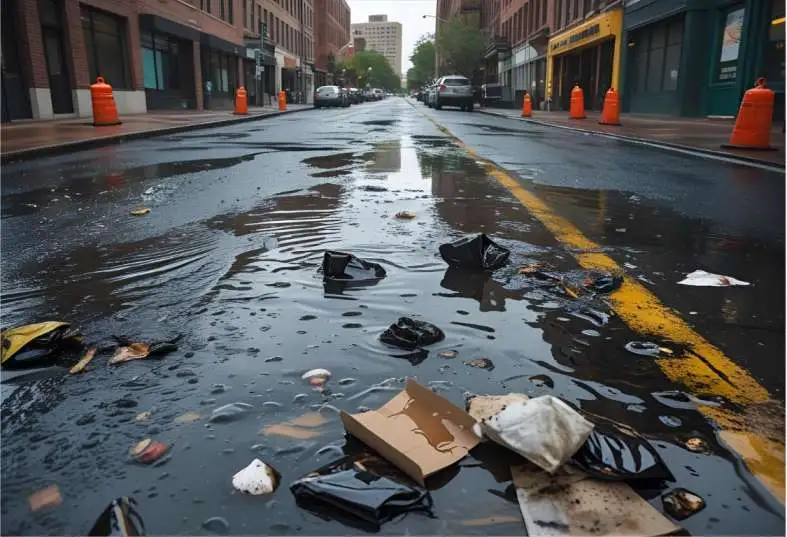
- Urban Runoff: Oil leaks from cars, heavy metals, and litter on streets are carried away by rain.
- Construction Sites: Exposed soil and debris flow into nearby streams, causing sediment pollution.
- Home and Garden Areas: Excess lawn fertilizers, pet waste, and household chemicals seep into groundwater. Explore safe, eco-friendly gardening practices.
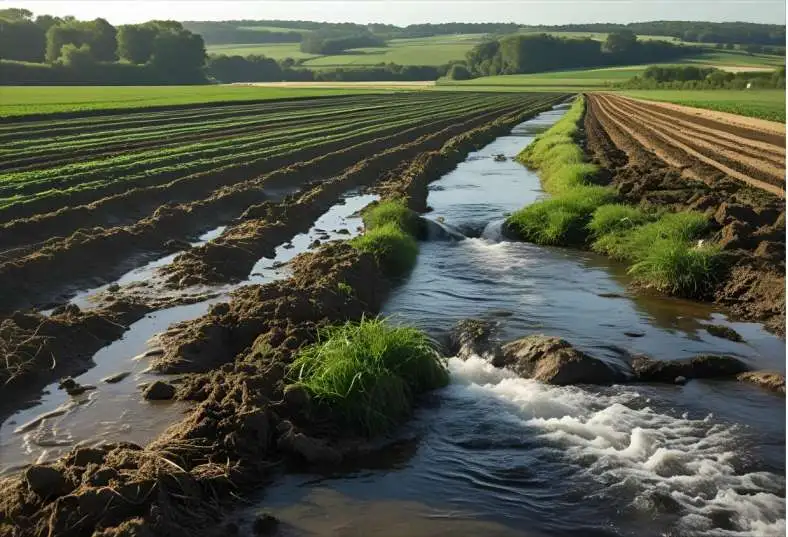
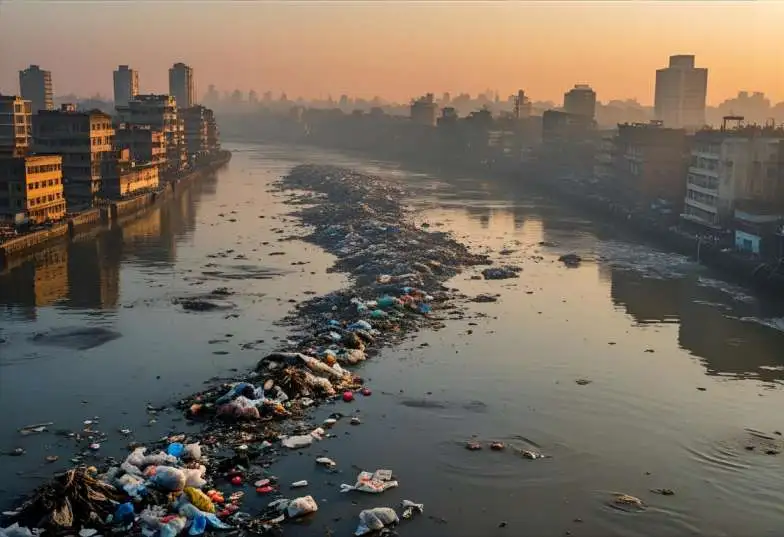
In India, this problem is increasing as rapid urban expansion and intensive farming generate more untreated runoff. For example, the Yamuna River suffers from both untreated sewage and massive amounts of runoff from farms and urban areas.
Key characteristics of non-point source pollution:
- Hard to pinpoint the exact origin
- Often worsens during heavy rains
- Accumulates over time, leading to serious contamination
Understanding these basics is the first step toward reducing the damage. In the next section, we’ll look closer at why non-point source pollution happens and what activities cause it.
Causes of Non-Point Source Pollution
Agricultural Runoff
One of the biggest causes of non-point source pollution is runoff from farms. When farmers use chemical fertilizers and pesticides to grow crops, these substances don’t always stay in the soil. During heavy rains or irrigation, water carries them into nearby rivers and lakes. This runoff often contains nitrogen and phosphorus. These nutrients feed algae and cause blooms that choke aquatic life. Animal farms also contribute when manure and waste wash into streams, spreading bacteria and harmful nutrients. In India, large agricultural areas in states like Punjab and Haryana have seen rising problems with water contamination linked to farm runoff.
CPCB’s 2023 assessments note that several agricultural districts show elevated nitrate levels, and fertilizer application rates in parts of Punjab and Haryana exceed levels recommended for sustainable use.
Excess nutrients from agricultural regions of North India contribute significantly to algal blooms in the Yamuna and Ganga river basins.
Urban Runoff and Construction
Cities and growing towns add their share of pollutants. Oil leaks, brake dust, and litter accumulate daily on roads and parking lots. When it rains, all these pollutants are swept away into drains and eventually end up in rivers and lakes.
Studies indicate that urban stormwater is a significant source of heavy metals such as lead, zinc, and chromium in metropolitan waterways. Roads also accumulate suspended solids daily, much of which is washed into drains during storms. Construction activities contribute substantially to waste generation, adding pressure to drainage systems.
Construction sites are another major source. Exposed soil, sand, and building materials are easily carried away by stormwater. This not only pollutes water but also clogs drainage systems, leading to floods.
In many urban areas, including parts of Delhi and Mumbai, poorly managed construction runoff has become a serious concern.
Other causes include improper waste disposal, leaking septic systems, and the excessive use of fertilizers in home gardens. Even activities that seem harmless—like washing your car on the street—can send soap and chemicals straight into waterways. Since these pollutants come from many daily activities, controlling them requires awareness, good habits, and better planning.
Now that you know the main causes, let’s explore how non-point source pollution affects both our health and the environment. For detailed Indian regulations and data on pollution sources, check the Central Pollution Control Board.
Effects on Health and the Environment
Impact on Water Quality
Non-point source pollution is a major reason why water quality is declining worldwide. When stormwater washes pollutants into rivers and lakes, it creates a harmful mix that upsets the natural balance of these ecosystems.
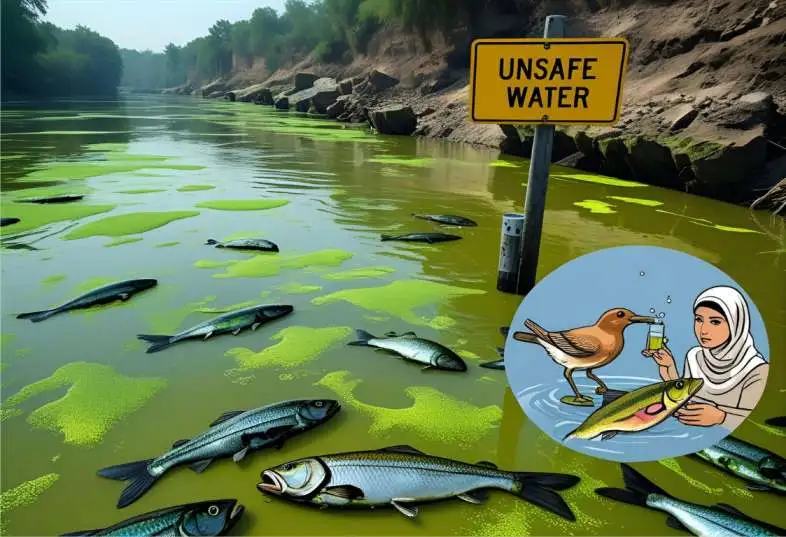
One of the most common problems is nutrient pollution. When nitrogen and phosphorus from farm runoff enter rivers, they cause massive algal blooms. These thick mats block sunlight and consume oxygen, a process called eutrophication. As oxygen drops, fish and other aquatic creatures can’t survive.
Scientific studies show that:
- When phosphorus levels exceed 0.03 mg/L, algae proliferate rapidly, triggering eutrophication (US EPA).
- In several Yamuna monitoring stations (CPCB 2023), phosphorus concentrations reached 0.2–0.5 mg/L, far above the ecological threshold.
- Dissolved oxygen (DO) in heavily polluted river stretches dropped to 1–3 mg/L, while healthy rivers require ≥5 mg/L.
Major rivers such as the Ganga and Yamuna have experienced significant nutrient and sediment pollution linked to agricultural and urban runoff.
According to assessments by the Central Pollution Control Board (CPCB), diffuse agricultural runoff and urban stormwater discharge significantly contribute to nutrient loading in major Indian rivers, highlighting the need for integrated management strategies.
Sediment pollution is another issue. Soil and debris from construction sites and farms cloud the water, making it hard for plants to grow. Over time, sediment can fill up reservoirs and damage habitats. In coastal areas, runoff often leads to dead zones, where almost no marine life can survive.
Consequences for Human Health and Wildlife
Disclaimer:
This section is provided for educational purposes only. It summarizes publicly available environmental and health information and should not be used as medical advice. For concerns related to waterborne diseases or chemical exposure, please consult qualified health professionals or local health authorities.
Non-point source pollution doesn’t just harm the environment. It also threatens human health. Contaminated water can carry bacteria, chemicals, or heavy metals that lead to serious illnesses. Waterborne diseases such as diarrhea, cholera, and dysentery can spread more easily. This information is provided for educational purposes only and should not be considered medical advice. Chemical pollutants like pesticides can accumulate in fish and shellfish, which may pose health risks according to public-health studies.
According to WHO and UNICEF’s Joint Monitoring Programme (JMP), billions of people worldwide are exposed to unsafe drinking water. National health reports also document millions of waterborne disease cases annually in India, while CPCB assessments have found elevated heavy-metal levels in several industrial regions.
Wildlife also suffers. Birds, fish, and small animals depend on clean water to survive. Pollutants can poison their food and destroy their breeding grounds. For example, pesticides in runoff can kill beneficial insects and weaken bird populations.
The damage from non-point source pollution often develops slowly, making it harder to notice until it’s too late. That’s why prevention and action are so important. In the next section, you’ll learn about practical solutions that individuals, communities, and governments can use to reduce this growing problem.
Learn more about global water pollution impacts through WHO’s publicly available water-quality reports.
Case Study: Non-Point Source Pollution in the Yamuna River, India
Background
The Yamuna River is one of India’s most important waterways, supplying water to millions of people. Over the years, it has become heavily polluted—not only by factories and sewage (point sources) but also by non-point source pollution from agriculture and urban runoff.
Problem
In the river’s upper stretches near Delhi and Haryana, large quantities of fertilizers, pesticides, and soil erosion from farms enter the water, especially during the monsoon season. At the same time, stormwater drains carry oil, plastic waste, and household chemicals from city streets directly into the river. This combination has contributed to oxygen depletion, fish mortality incidents, and unsafe water conditions in several stretches of the Yamuna.
According to CPCB’s 2023 Yamuna Monitoring Report CPCB monitoring indicates high BOD levels (often significantly above the 3 mg/L standard) in several stretches of the Yamuna. Diffuse runoff and small drains contribute a substantial share of the pollution load entering the river.
Impacts
- Health: Communities depending on the river suffer higher rates of waterborne diseases.
- Environment: Excess nutrients lead to algal blooms that deplete oxygen, killing fish and harming biodiversity.
- Economy: Cleaning the polluted water costs crores of rupees each year.
Solutions Implemented
- The Namami Gange and Yamuna Action Plan projects have targeted both point and non-point pollution.
- Farmers have been encouraged to reduce chemical use and adopt organic methods.
- Urban areas are creating rainwater harvesting systems and green buffers to filter runoff before it enters the river.
- Awareness campaigns have educated residents about proper waste disposal and reduced plastic use.
Lesson Learned
This case shows that non-point source pollution requires coordinated action from individuals, communities, and governments. Even small changes—like planting trees near farms or disposing of waste properly—can help revive a dying river.
To see how point source pollution contributes to this problem, read our detailed guide on Point Source Pollution: Causes, Effects & Solutions.
Prevention and Solutions
Individual and Community Actions
Reducing non-point source pollution starts with small changes in daily life. Here are some practical steps individuals and families can take:
- Use less fertilizer and pesticides. Only apply what is necessary, and follow the instructions on the label.
- Plant grass or ground cover in bare areas to stop soil erosion.
- Dispose of chemicals properly. Never pour paint, oil, or cleaners down the drain.
- Clean up after pets so bacteria don’t wash into waterways.
- Wash your car on the grass instead of the street so the soil can filter runoff.
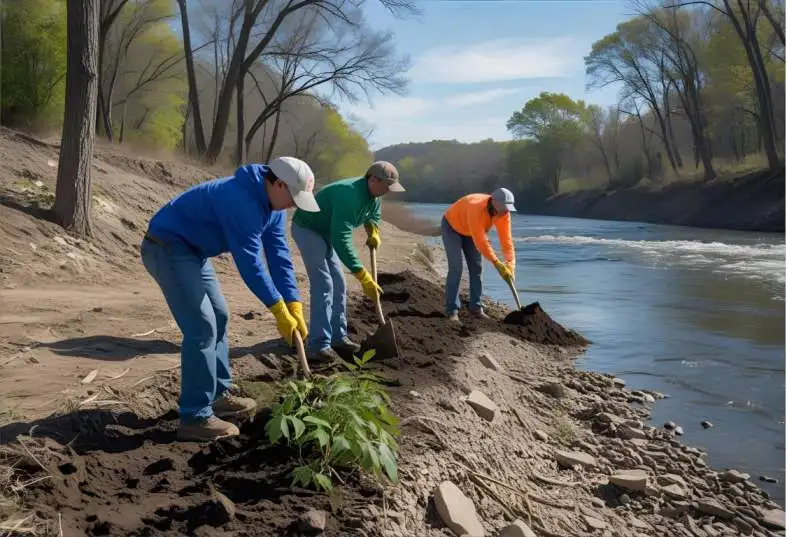
Community efforts are just as important. Organizing neighborhood clean-up days, planting trees along riverbanks, and building rain gardens can all help absorb stormwater and filter pollutants. Schools and local groups can spread awareness by teaching people why small changes matter.
In India, some communities have established check dams and vegetative barriers to slow down runoff from farms and enhance groundwater recharge. These solutions are often low-cost and easy to maintain.
Policy Measures and Regulations
While individual actions make a significant difference, governments play a crucial role in addressing nonpoint source pollution. Effective policies and regulations can guide farmers, builders, and industries in adopting safer practices.
Some effective measures include:
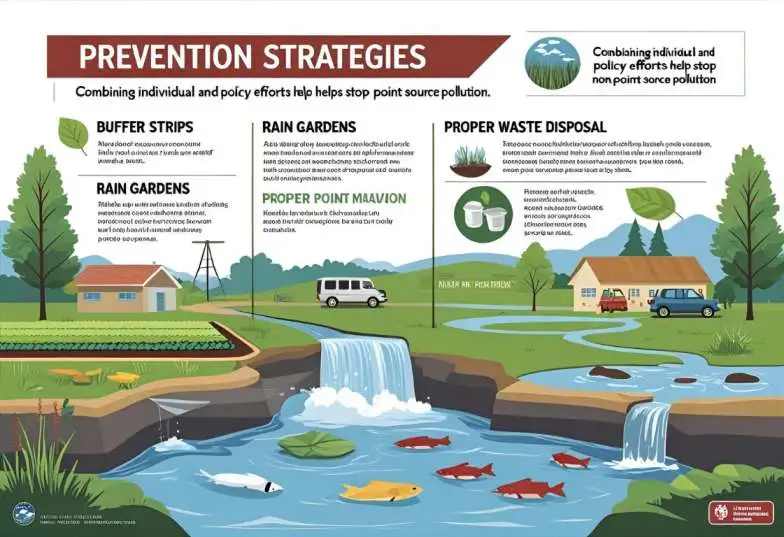
- Buffer zones: Planting trees and shrubs along waterways to trap pollutants.
- Rainwater harvesting systems: Capturing runoff before it flows into drains.
- Better construction standards: Requiring sediment control measures at building sites.
- Education and incentives: Offering support for farmers who adopt eco-friendly methods.
Many countries have introduced laws to reduce nutrient pollution and manage urban runoff. In India, the Namami Gange Programme is an example of large-scale river restoration that tackles both point and non-point pollution.
Evaluations of the EU Nitrates Directive show measurable reductions in agricultural nitrogen pollution over time.
India’s Namami Gange Programme reports:
- Gross pollutant load reduction of 450–600 MLD in critical locations (NMCG, 2023).
- Expansion of constructed wetlands to filter non-point pollution before river entry.
Combining smart policies with community action is the most powerful way to protect water quality and public health. Next, let’s recap what you’ve learned and explore how you can be part of the solution.
Conclusion
Non-point source pollution is often called the silent threat, but it doesn’t have to stay that way. From farms and city streets to our backyards, small actions and better practices can make a big difference.
You’ve learned how this type of pollution comes from many scattered sources like agricultural runoff, urban waste, and construction sites. These pollutants harm water quality, wildlife, and human health in ways we sometimes don’t see until it’s too late.
Many practical, low-cost solutions can help reduce non-point source pollution. We can protect our rivers, lakes, and coastal areas by reducing chemical use, planting vegetation, managing waste properly, and supporting smart policies.
Research from IISc and NEERI suggests that rain gardens and vegetative buffers can significantly reduce stormwater pollutants, often by substantial margins depending on site conditions.
Whether you’re a student researching for a project, a sustainability professional working on new strategies, or a family trying to live greener, every step counts.
Taking small, consistent actions—such as reducing chemical use or supporting local cleanup efforts—can collectively make a meaningful difference. Start today by choosing one habit you can change, and inspire others to do the same. Clean water is a shared resource, and protecting it is everyone’s responsibility.
As the EPA points out, “Unlike pollution from industrial pipes, non-point source pollution is difficult to trace, measure, and regulate, making it a persistent global challenge.” By reducing chemical use, planting vegetation, and supporting smart policies, we can protect our rivers, lakes, and coastal areas.
Start by reducing runoff around your home today—share this guide with friends and help protect our rivers for the next generation.
Let’s work together to protect clean water for everyone.
Ready to make a difference?
✅ Download the printable checklist below to take your first step toward cleaner water. Download
Frequently Asked Questions (FAQs)
Q1: What is an example of non-point source pollution in cities?
A: In cities, a common example is stormwater runoff, which collects oil drips, heavy metals, litter, and chemicals from roads and sidewalks. When it rains, all these pollutants wash into drains and end up in rivers and lakes without any treatment.
Q2: How does non-point source pollution affect human health?
A: Long-term exposure to certain chemical pollutants has been associated in scientific research with serious health concerns. Contaminated water may also increase the risk of waterborne diseases. Always rely on local health experts for medical advice.
Q3: What are the main differences between point and non-point source pollution?
A: Point source pollution comes from a single, identifiable place, such as a factory pipe. Non-point source pollution comes from many diffuse sources, like farm fields and urban streets. Non-point pollution is harder to measure and control because it depends on rainfall and land use.
Q4: How can farmers help prevent non-point source pollution?
A: Farmers can use buffer strips (rows of grass or trees along fields), apply less fertilizer and pesticides, and practice soil conservation methods like contour farming. These steps reduce runoff and protect nearby water bodies.
Q5: What laws or programs address non-point source pollution in India?
A: India’s Namami Gange Programme includes measures to reduce both point and non-point source pollution in the Ganga river basin. Additionally, the Central Pollution Control Board (CPCB) issues guidelines for managing agricultural and urban runoff to protect water resources.
AUTHOR BIO
I’m Soumen Chakraborty, the founder and lead researcher at GreenGlobe25. I specialize in translating complex data on pollution, climate risks, and sustainability into clear, actionable guides for Indian households and communities.
My work is based on a rigorous analysis of authoritative sources like the CPCB and WHO, following our publicly-available Fact-Checking Policy to ensure every piece of content is accurate and trustworthy.
LinkedIn: chakrabortty-soumen
Facebook: Ecoplanet
Last update on November 2025.
This article summarizes scientific and policy information for public awareness and should not substitute expert environmental or health advice.

- Groundwater Pollution in India (2025): Nitrate, Fluoride & Arsenic Contamination Explained - December 1, 2025
- How Air Purifiers Work: Real Science, Real Effectiveness & India-Focused 2025 Guide - November 20, 2025
- Indoor Air Pollution in India (2025 Guide): Hidden Sources & Health Risks - November 16, 2025