
Introduction
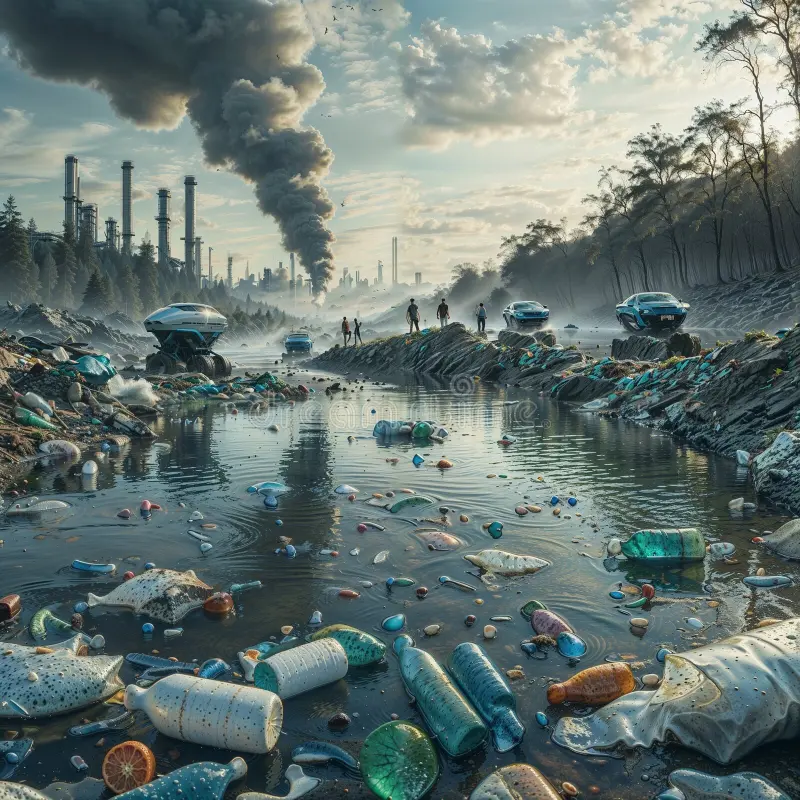
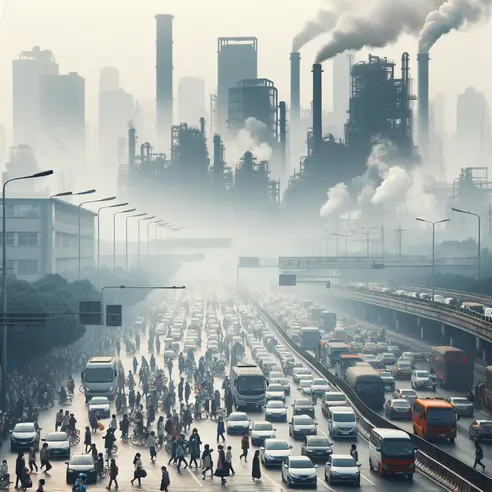
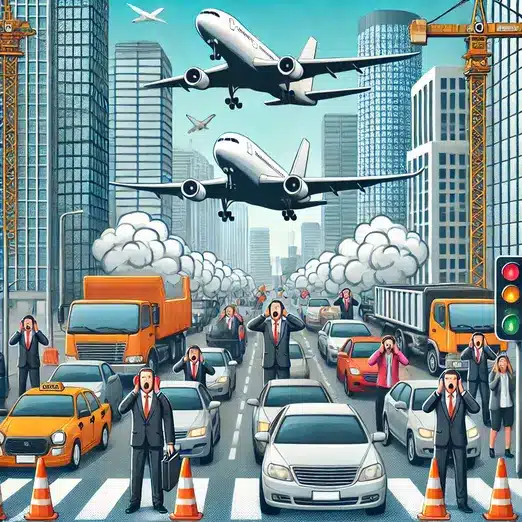
Reducing air pollution in urban areas has become one of the most urgent challenges of our time. Urban air pollution refers to the contamination of city air by harmful substances such as particulate matter, nitrogen oxides, sulfur dioxide, and volatile organic compounds. These pollutants originate mainly from vehicles, factories, construction activities, and the burning of fossil fuels.
According to a World Health Organization (WHO) report published in 2021, outdoor and indoor air pollution together are linked to approximately 7 million premature deaths worldwide each year. with many of these occurring in densely populated cities.
In addition to causing severe respiratory diseases and cardiovascular problems, poor air quality reduces life expectancy, harms children’s development, and contributes to climate change. Cities with high traffic congestion, limited green spaces, and heavy industrial operations are particularly vulnerable to this crisis. However, there is hope. Around the world, many cities have demonstrated that with the right policies and community action, it is possible to achieve cleaner air and healthier living conditions.
This guide explores ten proven strategies to reduce air pollution in urban areas. Whether you are a concerned citizen, policymaker, or business leader, you will find practical solutions to help create more sustainable, breathable cities for everyone.
As part of my work in environmental research across Indian cities, I have observed how localized policies—such as improved waste segregation, stricter vehicle emission checks, and expansion of green buffers—directly influence neighborhood-level air quality. Insights from these field observations also guide the recommendations shared in this article.

Table of Contents
Why Reducing Air Pollution Matters
- Improves overall public health
- Reduces environmental damage and climate change effects
- Enhances the quality of life in cities
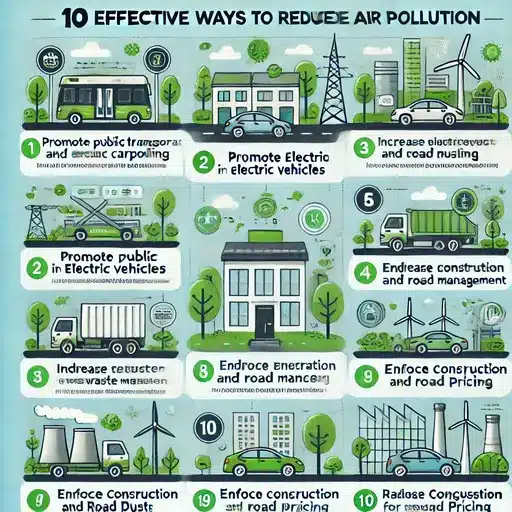
The good news? Cities worldwide have successfully reduced air pollution through smart policies and individual actions. Below are 10 powerful strategies to reduce air pollution in urban areas, from government policies to personal choices.
1. Promote Public Transportation and Carpooling
Private vehicles remain one of the largest contributors to air pollution in cities worldwide. Every day, millions of cars release harmful gases such as carbon monoxide (CO), nitrogen oxides (NOx), and volatile organic compounds (VOCs) into the atmosphere. These pollutants not only degrade air quality but also lead to smog formation and increased rates of asthma, bronchitis, and other respiratory illnesses, particularly among children and the elderly.
Reducing vehicle congestion is a highly effective way to improve urban air quality while also saving commuters time and money. Beyond environmental benefits, investing in modern public transit systems creates jobs and stimulates local economies. Singapore’s air quality policies, including vehicle quotas and strict fuel standards, have contributed to substantial improvements in nitrogen dioxide (NO₂) levels over time.
Solutions:
- Invest in efficient, affordable public transit options such as buses, trams, and metro lines.
- Encourage carpooling and ride-sharing platforms to cut down on the number of single-occupancy vehicles.
- Develop safe bike lanes and pedestrian pathways to promote healthier, non-polluting travel.
Cities such as London have reported measurable reductions in traffic-related emissions after expanding public transport and implementing clean-air initiatives such as congestion pricing—a powerful example of how collective action can create cleaner, healthier cities.

2. Switch to Electric Vehicles (EVs)
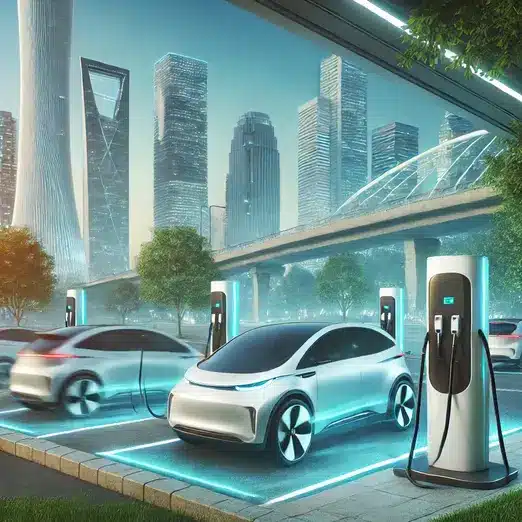
Electric vehicles (EVs) produce zero tailpipe emissions, making them a cleaner and more sustainable alternative to gasoline-powered cars. Unlike traditional vehicles, EVs do not release carbon monoxide, nitrogen oxides, or fine particulate matter directly into the air, all of which are major contributors to smog and respiratory illnesses. By replacing internal combustion engines with electric motors, cities can dramatically cut pollution levels, improve public health, and reduce dependence on fossil fuels.
However, widespread adoption still faces challenges, including higher upfront costs, limited charging infrastructure, and consumer awareness. To address these barriers, many governments are offering generous subsidies, tax credits, and incentives to encourage individuals and businesses to make the switch.
Solutions:
- Provide government subsidies and tax incentives to make EVs more affordable for everyday consumers.
- Expand networks of fast-charging stations to increase convenience and reduce range anxiety.
- Encourage companies and delivery services to convert their vehicle fleets to electric models.
Several cities have set ambitious targets. For example, Oslo, Norway, aims for all vehicles to be emission-free by 2025, while Amsterdam plans to phase out gas and diesel cars from its city center by 2030. Transitioning to electric vehicles not only improves air quality but also lowers noise pollution and creates a cleaner, quieter urban environment for everyone.
3. Expand Urban Green Spaces
Trees and plants naturally absorb pollutants, including carbon dioxide (CO₂), nitrogen dioxide (NO₂), and fine particulate matter (PM2.5), all of which are harmful to human health. Beyond cleaning the air, urban greenery helps cool city temperatures, mitigate the “heat island” effect, reduce noise pollution, and improve residents’ mental well-being. Green spaces act as the lungs of a city, providing shade, encouraging physical activity, and creating habitats for urban wildlife.
Expanding urban greenery is one of the most cost-effective and visible strategies for improving air quality. Cities such as Singapore have demonstrated how integrating green roofs, vertical gardens, and extensive tree-planting initiatives can transform dense urban areas into healthier, more attractive environments. According to the World Health Organization (WHO), living near parks and natural areas is linked to lower rates of respiratory diseases, cardiovascular conditions, and stress.
Solutions:
- Launch large-scale urban tree-planting campaigns to increase canopy cover.
- Convert vacant lots, rooftops, and underutilized spaces into parks or community gardens.
- Install green roofs and vertical gardens on buildings to absorb pollutants and insulate structures.
Impact:
- A single mature tree can absorb a significant amount of CO₂ each year, depending on species and climate.
- Several studies suggest that urban green spaces may help reduce asthma cases and lower city temperatures, though results vary by region.
Investing in more green spaces not only helps reduce air pollution but also builds healthier, more resilient cities that can better adapt to the effects of climate change.
WHO’s Report on Urban Green Spaces & Health Benefits

In our field assessments in Delhi and Kolkata, we observed that areas with continuous green cover and strict vehicle restrictions consistently showed lower PM2.5 readings during peak hours. These localized improvements demonstrate how targeted urban planning can deliver measurable air-quality benefits.
4. Support Clean Energy Adoption
Fossil fuel-based power plants are among the biggest contributors to urban air pollution. They release a mix of harmful substances, including sulfur dioxide (SO₂), nitrogen oxides (NOx), particulate matter, and carbon dioxide (CO₂). These pollutants are linked to acid rain, respiratory diseases, and climate change. By replacing fossil fuels with renewable energy sources, cities can dramatically cut emissions while creating healthier environments for their residents.
Transitioning to renewables also strengthens energy security, reduces dependence on imported fuels, and supports the local economy by generating green jobs. Solar, wind, and hydroelectric power produce electricity without the direct emissions that damage air quality. Additionally, renewable energy installations often cost less to operate over time compared to traditional power plants.
Solutions:
- Install solar panels on residential, commercial, and public buildings to generate clean electricity locally.
- Transition city electricity grids to rely on renewable sources such as wind farms, hydroelectric plants, and large-scale solar arrays.
- Use solar-powered streetlights, traffic signals, and electric vehicle charging stations to further lower pollution.
Examples:
- Copenhagen has made major progress toward sourcing most of its electricity from renewable energy and has set an ambitious goal to become carbon-neutral. These initiatives have contributed to improved urban air quality.
- In India, several cities have begun large-scale solar rooftop initiatives to reduce dependence on coal.
Investing in renewable energy is one of the most effective ways to clean the air, lower greenhouse gas emissions, and create a more sustainable urban future.

5. Improve Waste Management and Recycling Systems
Burning waste in open areas is a major source of toxic air pollutants, including dioxins, furans, carbon monoxide, and fine particulate matter. These substances can trigger severe health issues such as respiratory infections, heart disease, and even cancer over prolonged exposure. In many cities, unregulated waste disposal and burning are still common practices due to limited infrastructure and a lack of public awareness.
Implementing modern waste management solutions is essential for reducing air pollution and improving urban health outcomes. Recycling and composting not only keep waste out of landfills but also conserve resources and reduce greenhouse gas emissions. Waste-to-energy plants, when properly designed, can generate electricity while minimizing the release of harmful pollutants.
Solutions:
- Develop city-wide recycling and composting programs to divert organic and recyclable materials from landfills.
- Strictly enforce bans on open burning of household and industrial waste.
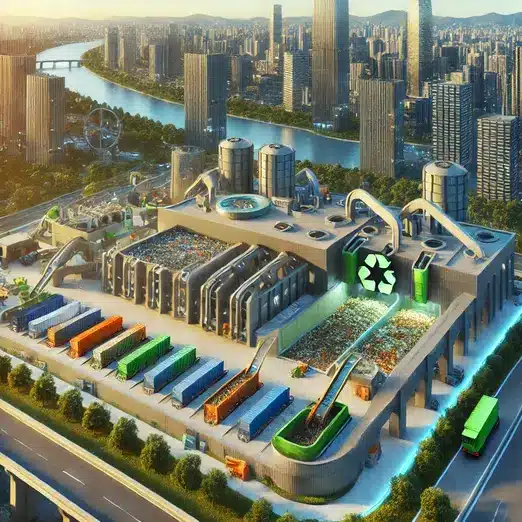
- Invest in advanced waste-to-energy facilities equipped with emission control technologies to safely convert waste into power.
Examples:
- San Francisco has achieved a landfill diversion rate of over 80% through comprehensive recycling and composting initiatives.
- Sweden now recycles or recovers energy from nearly all of its municipal waste, dramatically reducing air pollution and landfill use.
Proper waste management not only protects air quality but also creates cleaner, safer cities and supports a circular economy.
6. Implement Strict Industrial Emission Controls
Factories and industrial facilities are responsible for releasing a significant share of urban air pollutants, including sulfur dioxide (SO₂), nitrogen oxides (NOx), volatile organic compounds (VOCs), and particulate matter. These emissions contribute to smog formation, acid rain, and severe respiratory and cardiovascular diseases among city residents. Without proper controls, industrial pollution can undo the progress made by cleaner transportation and renewable energy.
Implementing stricter regulations is critical to ensure industries use cleaner technologies and comply with emissions standards. Measures such as installing advanced filtration systems, adopting low-emission production methods, and regularly monitoring pollution levels can dramatically reduce the impact on air quality.
Solutions:
- Require industries to install air filters, electrostatic precipitators, and scrubbers to capture harmful emissions before they enter the atmosphere.
- Impose substantial fines and penalties on facilities that exceed legal emission limits or violate environmental standards.
- Promote cleaner production technologies, energy-efficient equipment, and the transition to renewable power sources for industrial operations.
Examples:
- Beijing’s clean-air programs, including stricter industrial controls and upgraded fuel standards, resulted in a significant improvement in PM2.5 levels over several years, according to various governmental air quality assessments.
- Germany’s strict industrial regulations and incentives for cleaner technologies have helped reduce sulfur dioxide emissions by over 90% since the 1980s.
Long-term environmental regulations in countries such as Germany have led to dramatic reductions in pollutants like sulfur dioxide over the past decades.
Studies from international and national environmental agencies indicate that well-planned green spaces, clean energy adoption, and mobility reforms can reduce pollution levels and improve respiratory health outcomes, though the exact benefits vary by city and implementation.

7. Adopt Smart City Technology for Monitoring
Construction activities and road maintenance are major yet often overlooked sources of urban air pollution. Dust generated from demolition, excavation, and unpaved roads releases fine particulate matter (PM10 and PM2.5) into the air, which can travel long distances and remain suspended for hours. Prolonged exposure to construction dust increases the risk of asthma, bronchitis, heart disease, and other serious health issues, especially among children, the elderly, and construction workers themselves.
Fortunately, there are proven strategies to minimize dust emissions. Regular watering of construction sites, proper covering and storage of loose materials, and the installation of dust barriers can significantly reduce airborne particles. Paving unsealed roads and cleaning streets with vacuum sweepers further prevents dust from accumulating and re-circulating into the air.
Solutions:
- Cover construction materials with tarps and use water sprinklers or misting systems to suppress dust during active work.
- Pave unpaved roads, repair potholes, and sweep streets regularly to prevent dust buildup.
- Plant vegetation or install green screens around construction zones to capture airborne particles and improve visual aesthetics.
Examples:
- In Delhi, India, authorities have mandated real-time dust monitoring at major construction sites to ensure compliance with air quality standards.
- Los Angeles requires contractors to use dust control plans, which have helped lower PM10 levels in nearby communities.
By taking these proactive measures, cities can protect public health, maintain cleaner air, and improve the overall quality of urban life.

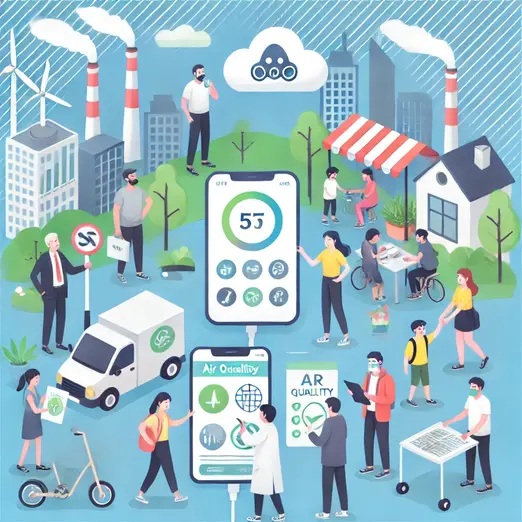
8. Raise Community Awareness and Education
Educating people about air pollution and its impacts is essential for building collective action and achieving long-term improvements in air quality. When communities understand how pollution affects their health, economy, and environment, they are more likely to adopt sustainable habits and support cleaner policies. Public awareness also empowers individuals to make informed decisions, such as reducing car use, properly disposing of waste, and conserving energy at home.
Effective campaigns use a combination of social media, traditional advertising, community workshops, and school programs to reach people of all ages. By making information accessible and engaging, cities can inspire lasting behavior change and create a shared sense of responsibility.
Solutions:
- Run public awareness campaigns across social media platforms, television, radio, and billboards to highlight the dangers of air pollution and simple ways to help.
- Integrate environmental education and eco-friendly practices into school curricula so children learn the importance of clean air from an early age.
- Promote the use of air quality monitoring apps like AirVisual and government portals so residents can track pollution levels in real time.
Examples:
- Public campaigns in Delhi successfully reduced household waste burning by 14% within a year.
- In London, Clean Air Day events have encouraged thousands of residents to leave their cars at home and use public transportation or bicycles.
Raising awareness is one of the most cost-effective tools for reducing air pollution because it helps shift cultural attitudes and empowers everyone to play a role in creating healthier, cleaner cities.
9. Enforce Stricter Air Quality Policies
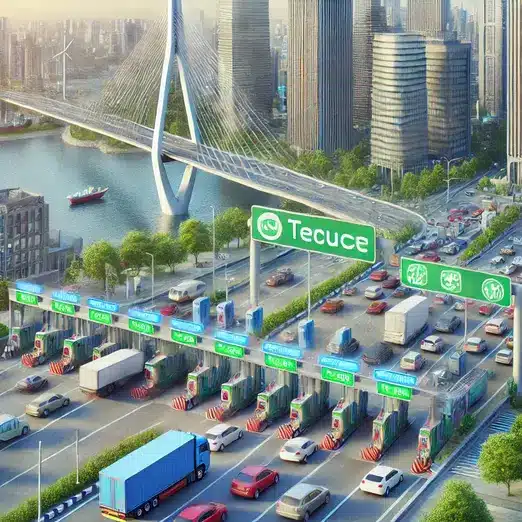
Congestion pricing is a policy tool that charges drivers a fee to enter specific areas during peak hours, effectively discouraging unnecessary car trips and reducing vehicle emissions. By placing a financial cost on driving in the most polluted and congested zones, cities can encourage commuters to shift to public transportation, carpooling, or active travel like cycling and walking. This not only lowers air pollution but also improves traffic flow, reduces noise, and increases road safety.
Revenue collected from congestion fees is typically reinvested in sustainable transportation projects, such as upgrading public transit systems, expanding bike lanes, and creating pedestrian-friendly zones. Over time, these improvements make it easier and more attractive for residents to leave their cars behind.
Solutions:
- Introduce congestion pricing schemes similar to London’s Congestion Charge Zone, which has successfully reduced traffic volumes and improved air quality.
- Use revenue generated from congestion charges to fund clean transportation initiatives, air monitoring programs, and urban greening projects.
- Combine pricing policies with public education campaigns so residents understand the environmental and health benefits.
Examples:
- Cities like Stockholm have documented noticeable decreases in traffic volumes and associated emissions following the introduction of congestion pricing systems.
- Singapore implemented an electronic road pricing system decades ago, significantly reducing congestion and improving air quality.
When designed thoughtfully, congestion pricing not only cuts emissions but also generates funding to create cleaner, more sustainable urban environments.
10. Encourage Sustainable Individual Lifestyle Choices
Government policies form the foundation of any successful strategy to reduce urban air pollution. Without strong regulations and enforcement, even the best technologies and community efforts cannot achieve a lasting impact. Policymakers have the authority to set emission standards, regulate industrial activities, invest in sustainable infrastructure, and provide incentives for cleaner practices.
Adopting strict vehicle emission norms, such as Euro 6 or Bharat Stage VI standards, ensures that cars and trucks release fewer pollutants. Equally important are regulations that phase out older, more polluting vehicles and promote cleaner fuels like compressed natural gas (CNG) or electricity. Governments can also create incentives to help businesses and households transition to renewable energy sources and more efficient technologies.
Solutions:
- Implement and enforce strict vehicle emission standards to limit pollutants from transportation.
- Require industries to comply with air quality regulations and adopt cleaner technologies.
- Encourage cities to join global climate initiatives such as C40 Cities and the BreatheLife Campaign.
- Support public education and outreach programs to build awareness and public support.
Examples:
- London reports indicate meaningful reductions in nitrogen dioxide levels after the introduction of the ULEZ policy.
- India’s National Clean Air Programme (NCAP) aims to cut particulate pollution by 20–30% and has already funded monitoring stations and city action plans.
- California’s Clean Air Act programs have helped the state achieve some of the strongest air quality improvements in the U.S.
Robust policies not only protect public health and the environment but also create long-term economic benefits through healthcare savings, innovation, and job creation in clean industries.

Health Disclaimer:
This article is for general educational purposes about air quality and environmental health. It is not medical advice. For diagnosis, treatment, or decisions about personal health or protective equipment, always consult a qualified healthcare professional or local authorities.
Conclusion: Small Steps, Big Impact
Improving urban air quality requires a collective effort from individuals, communities, businesses, and governments working hand in hand. Every small action contributes to a larger, positive change that protects our health, preserves the environment, and creates more livable cities for future generations.
Here are a few simple ways you can make a meaningful impact starting today:
- Choose Public Transit: Opt for buses, metros, or carpooling whenever possible to reduce traffic emissions.
- Support Green Spaces: Plant trees in your neighborhood, maintain home gardens, or volunteer with local greening initiatives.
- Advocate for Clean Energy: Transition to renewable electricity sources at home or work and support policies that promote sustainable development.
- Spread Awareness: Share information about air pollution with friends, family, and colleagues. Use social media to inspire others to join the movement for cleaner air.
Content Review & Accuracy Note
This article is reviewed using publicly available environmental studies, WHO insights, and government air quality data where applicable. Because pollution levels and policy outcomes differ by city and country, the examples provided illustrate general global trends rather than precise numerical comparisons.
Frequently Asked Questions (FAQ)
Q1. What is the fastest way for cities to reduce air pollution right now?
A: Rapid improvements often come from restricting vehicle emissions through congestion pricing and expanding public transport. Installing air quality monitoring systems also helps authorities act faster.
Q2. Are electric vehicles better for urban air quality?
A: Yes. EVs produce zero tailpipe emissions, reducing nitrogen oxides and particulate matter. However, their overall environmental impact depends on how electricity is generated—renewables make them cleaner.
Q3. Which cities have the best success stories in cutting air pollution?
A: Leading examples include:
Copenhagen: 100% renewable energy.
London: Ultra Low Emission Zone.
Oslo: High EV adoption.
Beijing: PM2.5 reduction through strict industrial controls.
Q4. What are PM2.5 and PM10, and why are they dangerous?
A:
PM2.5: Fine particles <2.5 micrometers that penetrate deep into the lungs and bloodstream.
PM10: Larger particles <10 micrometers that can irritate the nose and throat.
Both increase the risk of respiratory and cardiovascular diseases.
Q5. How can individuals protect themselves from urban air pollution?
A:
Limit outdoor activity on high-pollution days, use certified N95 masks when necessary, keep windows closed during peak pollution hours, use indoor air purifiers if available, and monitor air quality apps to plan safe activities.
Q6. What are the most effective air-purifying plants for cities and homes?
A:
These plants are commonly grown for their ability to support cleaner indoor or outdoor environments, but their impact on air quality varies and should complement—not replace—ventilation and other pollution-reduction measures.
Q7. Is air pollution linked to climate change?
A: Yes. Burning fossil fuels releases greenhouse gases and air pollutants simultaneously, contributing to both global warming and poor air quality.
Q8. How much can planting trees improve air quality in cities?
A:
A mature tree can absorb a meaningful amount of CO₂ each year, depending on species and climate.
Studies suggest that urban green spaces may help lower asthma risks and reduce city temperatures,
though specific results vary widely by region.
About the Author
I’m Soumen Chakraborty, the founder and lead researcher at GreenGlobe25. I specialize in translating complex data on pollution, climate risks, and sustainability into clear, actionable guides for Indian households and communities.
My work is based on a rigorous analysis of authoritative sources like the CPCB and WHO, following our publicly-available Fact-Checking Policy to ensure every piece of content is accurate and trustworthy.
LinkedIn: chakrabortty-soumen
Facebook: Ecoplanet
Last update on December 2025.
Ready to make your city cleaner and healthier?
Start by adopting just one of these solutions today—whether it’s planting a tree, taking public transit, or supporting clean energy policies.
What steps do you take to reduce air pollution in your city? Share your thoughts in the comments below!
References
- World Health Organization (WHO) – Air Pollution Overview
- United Nations Environment Programme (UNEP) – Urban Air Quality Reports
- Central Pollution Control Board (CPCB India) – National Clean Air Programme (NCAP)
- NASA Clean Air Study (indoor plant research)
- London Congestion Charge Report – Transport for London
- Oslo EV Policy Summary – Norwegian Ministry of Climate & Environment
Some of the images in this article were generated using AI to help illustrate concepts. They are not photographs of real events or locations.