

Introduction:
Clean water is still out of reach for millions. Globally, an estimated 2 billion people lack safely managed drinking water (Source: WHO/UNICEF 2023), and In India, an estimated 37 million people are affected by waterborne diseases each year (Source: Ministry of Health / WHO 2023). These numbers highlight how urgent the clean water crisis remains, from crowded cities to remote villages.
Nanotechnology in water treatment is emerging as a promising area of research and innovation. Once primarily confined to research settings, nanotechnology is now being explored in real-world pilot projects — such as arsenic removal initiatives in West Bengal and solar-assisted filtration units tested in parts of Rajasthan. Some communities and institutions report positive outcomes in pilot deployments, though results may vary by local conditions.
This guide provides educational information to help readers understand nanotechnology in water treatment. It does not promote or recommend specific products happening across India. Whether you’re a homeowner, a community organizer, or simply someone tired of second-guessing what’s in your glass, you’ll find practical insights and useful takeaways here. This guide exists to help Indian families, communities, and industries choose safe nanotech solutions, not to sell products.
“As an environmental researcher and sustainability writer, I’ve followed water treatment innovations closely. This guide combines research with practical insights.”
Table of Contents

8 Simple Shifts in Using Nanotech for Water Purification
This section is for educational awareness. Actual water quality solutions should be selected after certified testing and professional consultation.
Nanotech in water treatment sounds intimidating at first—I thought it was all lab coats and microscopes. Turns out, the first steps are surprisingly simple.Here are eight shifts—practical, affordable in the long run, and tested in real-world settings—that can help you bring nanotech into your water safety routine.
Understanding Nanotechnology Basics
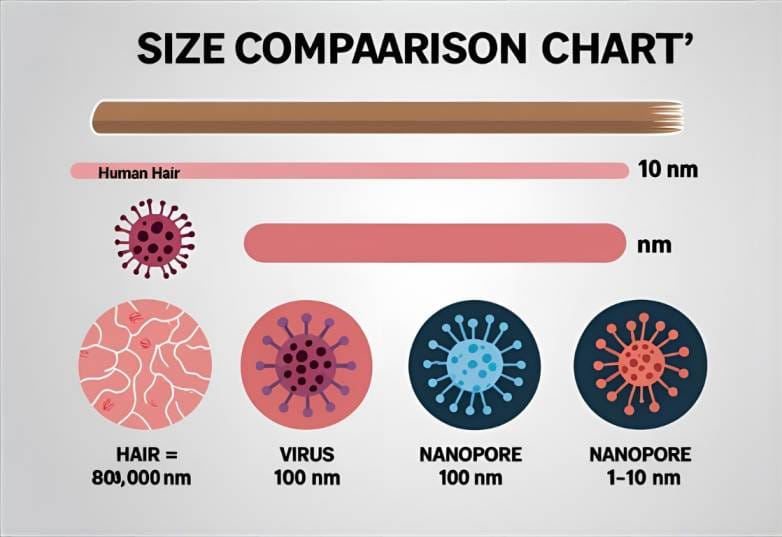
When I first heard “nanoparticles,” my mind jumped to sci-fi movies. In reality, it refers to working at an extremely small scale—thousands of times smaller than a human hair—where materials can exhibit different physical and chemical behaviors. In water treatment, certain nano-engineered membranes may help filter very small contaminants, including some viruses, depending on design and certification.
- Action step: Review foundational information about nanofiltration and consult certified water professionals before selecting any device.
Nanofiltration Membranes for Households in India
Compact nanofiltration units can fit under a kitchen sink and are designed to reduce certain contaminants such as heavy metals and pathogens. Mineral retention varies by model and should be confirmed with the manufacturer. I have observed these systems being used in some urban households, though actual performance depends on water quality and membrane specifications.
- Typical market prices range between ₹8,000–₹15,000, although costs vary by brand, capacity, and location.
- Maintenance: Many systems recommend membrane replacement every 1–2 years, but schedules should follow manufacturer guidelines and water test results.
Nanotechnology for Industrial Wastewater Treatment

If you live near textile clusters or metal processing units, industrial wastewater is a real concern. Nano-adsorbents are engineered particles that “trap” contaminants like lead or chromium.
- Example: Some textile units in Gujarat have piloted nano-iron particles for dye reduction as part of wastewater treatment trials.
Portable Nanotech Filters for Rural Areas
I once joined a community project in Odisha where women carried nano-based filter bottles to fields. The water came from hand pumps, often cloudy. With the portable filter, the water appeared clearer, and initial field tests indicated improved quality. Comprehensive safety, however, depends on laboratory testing.
- Ideal for NGOs and disaster relief kits.
Self-Cleaning Nano Surfaces
Pipes and tanks grow biofilms—slimy bacterial layers that are hard to scrub off. Certain nano-coated surfaces are designed to resist biofilm buildup, which may help maintain cleaner storage conditions between routine cleanings.
- Visual idea: Before–after photo of a nano-coated tank wall.
Energy-Saving Desalination
In coastal cities like Chennai, Some desalination projects are evaluating nanotech-based membranes that may reduce energy consumption, depending on system design and operational conditions.
- Potential: Reduce power bills and carbon footprint.
Reports from WRI India show how coastal cities are exploring desalination plants, and nanotech membranes are part of the push to lower energy costs.
Solar-Powered Nanotech Purifiers
Combining renewable energy with advanced filtration, these units are being tested in some off-grid settings, including schools in certain regions.
- Example: Rajasthan desert schools running solar-powered nano filters during summer. This approach connects directly to India’s clean energy transition — for more, check Renewable Energy at Home (2025 Guide).
Low-Cost DIY Nanotech Kits

For students or science clubs, there are kits that demonstrate how nanoparticles can purify water in a beaker experiment. These kits function as educational tools to help demonstrate basic principles of nanoparticle behavior in controlled environments.
- Use in eco-clubs or RWA workshops to spark interest.
Applications of Nanotechnology in Water Treatment
Nanotechnology is being explored across various stages of the water purification cycle, including contaminant reduction and potential efficiency improvements, depending on the technology used. Below are key applications driving real-world adoption in India and globally:
Nanofiltration Membranes
Used in both household and industrial systems to help reduce certain pathogens, dissolved salts, and organic molecules.
Some nano-engineered membranes are designed for highly selective filtration, and certain studies report high removal efficiencies. Actual performance varies by membrane type, certification, and local water conditions.
(Source: UNESCO WWDR 2023 — Emerging Technologies Chapter)
Nano-Adsorbents
Iron oxide, titanium dioxide, and certain carbon-based nanomaterials are being studied for their ability to bind contaminants such as arsenic, chromium, and lead. Effectiveness varies by formulation, concentration, and water chemistry.
Nano-Catalysts and Photocatalysts
Titanium dioxide (TiO₂) nanoparticles have been shown in research settings to assist in breaking down certain organic compounds under sunlight. Their suitability for rural systems depends on system design, regulatory approval, and controlled testing.
Nano-Sensors for Real-Time Monitoring
Emerging graphene-based sensors are under development to help detect contaminants such as heavy metals or microorganisms. Actual detection speeds and accuracy depend on sensor calibration and laboratory validation.
Biogenic Nanoparticles
Certain biogenic nanoparticles, derived from plant or microbial processes, are designed to be more environmentally compatible. Compostability or degradability depends on specific formulations and regulatory guidelines.
👉 These diverse applications show that nanotechnology is not a single device but an evolving toolbox of sustainable water innovations.
Nanotechnology vs Conventional Water Treatment
Performance Comparison Table:
| Aspect | Nanotechnology | Conventional Methods |
| Filtration Efficiency | Designed to target particles in the nanometer range. Some studies report high removal rates for specific contaminants, though effectiveness varies by membrane design and certification. | Conventional methods typically filter larger particles and may have limitations depending on filter type and system design. |
| Energy Consumption | Some experimental and pilot systems indicate potential energy savings in desalination, although results differ across technologies and operational conditions. | Reverse osmosis often has significant energy demands, though efficiency varies by model and configuration. |
| Maintenance Frequency | Many nano-based membranes are designed for longer operational life, but actual replacement schedules depend on usage and manufacturer guidelines. | Conventional systems may require more frequent filter changes, though recommended intervals vary widely. |
| Initial Investment | ₹8,000-₹20,000 for households | ₹2,000-₹8,000 for basic systems |
| Contaminant Range | Heavy metals, pathogens, emerging pollutants | Limited to suspended particles, some bacteria |
| Water Recovery Rate | Some industrial pilot projects report high recovery rates, though these depend on specific system design and operational parameters. | Conventional systems often achieve moderate recovery rates depending on method, maintenance, and water quality.” |
Real-World Performance Differences:
In personal observations during field visits, certain nano-based systems appeared to perform consistently under fluctuating water conditions. However, performance varies by product quality, installation, and maintenance.
The key difference I noticed: Some conventional systems may reduce beneficial minerals depending on the technology used, particularly in reverse osmosis systems along with contaminants. Some nano-enabled filtration systems are designed to retain minerals, though this varies widely and should be confirmed through manufacturer specifications while blocking specific pollutants.
Advantages and Disadvantages of Nanotech Filters
| Aspect | Advantages | Disadvantages / Limitations |
|---|---|---|
| Filtration Performance | Certain nano-enabled filtration systems are designed to reduce viruses, bacteria, and heavy metals. Reported performance levels vary by model, certification, and water quality. | Some filtration systems, including both nano and conventional types, may reduce mineral content depending on their design. |
| Energy Efficiency | Some studies suggest potential energy savings in desalination applications, though results depend on system design and operational parameters. | Higher upfront equipment cost |
| Sustainability | May help reduce reliance on certain chemical disinfectants, depending on the treatment approach. | Disposal of nano-waste needs regulation |
| Longevity | Many nano-membranes are marketed for longer operational life, although real-world longevity depends on usage and maintenance. | Requires specialized maintenance support in rural areas |
| Accessibility | Portable filters suitable for off-grid areas | Public awareness and regulatory clarity for nano-based filtration technologies are still developing. |
Challenges & Safety of Nanotech Water Filters in India
Nanotechnology in water treatment shows potential in various applications, but widespread adoption faces several practical challenges. From high upfront costs to maintenance hiccups, here are the hurdles I’ve seen in real projects.
Higher Initial Costs Compared to Basic Filtration Options
When I first looked into a nanofiltration system for my apartment, Typical price ranges of around ₹10,000–₹15,000 may be a consideration for some households, depending on model and capacity. For many households and small businesses, This cost may be challenging for some households, especially when lower-cost systems are more widely available.
- Possible approaches include exploring financing options, community-level systems, or shared resource models, depending on local needs, or community-level buying.
Limited Public Awareness About Nanotechnology
During a workshop in Paschim Medinipur, I brought a nano filter bottle. People were more curious about the bottle design than the science behind it. The concept of nanoparticle-based treatment can seem unfamiliar, and clear explanations are often needed to help users understand how the technology works.
- Educational demonstrations, supported by certified water testing, may help improve public understanding. Results should always be interpreted cautiously.
Safety Checklist: How to Choose Certified Nano Filters
India’s water quality standards are evolving, and guidelines specific to nanoparticle-based treatments are still under development. This can cause confusion for both manufacturers and buyers about what’s “safe” and certified.
- Suggestion: When considering any filtration system, including nano-enabled options, check for applicable certifications such as BIS/ISI or equivalent third-party testing reports.
The Central Pollution Control Board (CPCB) monitors national water quality, while regulatory standards for nanotech-based treatments continue to evolve.
Maintenance Gaps

All filtration membranes, including nano-based systems, require periodic maintenance and replacement. I’ve seen community filters chug along for years without a single replacement—people felt safer using them, but the water wasn’t much better.
- Tip: Communities may benefit from tracking maintenance activities. However, maintenance schedules should follow manufacturer guidance and certified water testing.
Environmental Footprint: Understanding Nano-Waste and Sustainability
The Nano-Waste Challenge:
While nanotechnology advantages are promising, the environmental challenges are becoming more apparent Nanotechnology for Water Treatment: Is It the Best Solution Now? | Journal of Earth Science. During my research visits to treatment plants, I learned that used nano-enabled membranes may require special handling or disposal procedures based on material composition and local regulations.
Current Environmental Concerns:
- Disposal Considerations: Certain nano-materials may require regulated disposal methods to minimize environmental impact. Adopting circular use and responsible disposal of filters also aligns with the Zero Waste Lifestyle principles, helping households minimize environmental impact.
- Manufacturing Impact: Manufacturing Impact: Some studies indicate that the production of engineered nanomaterials may involve higher energy use, though findings vary by process and material.
- Long-term Effects: Research is ongoing to better understand how nano-materials interact with soil, water, and ecosystems over time.
Sustainability Solutions in Practice:
However, recent advances in nanoscience show tremendous potential toward sustainability RSC PublishingFrontiers, and I’ve seen encouraging developments:
- Researchers are exploring recyclable or regenerable membrane designs, though availability and regulatory approval may vary.
- Bio-based nanoparticles are being studied as potentially more environmentally compatible alternatives, depending on formulation and lifecycle impact.
- Closed-loop Systems: Industrial applications now include nano-particle recovery and reuse. For a broader look at how Indian industries are reducing water waste beyond nanotech, see our guide on Water Stewardship in India: Closed Loop Systems & Rainwater Harvesting.
Biogenic Nanomaterials in India — The Green Frontier of Nanotech
Researchers in India are increasingly studying biogenic nanomaterials as part of ongoing innovation in water treatment.
Researchers at IIT Madras and the Indian Institute of Science (IISc) are developing biogenic nanomaterials — eco-friendly nanoparticles derived from plant extracts, microbes, and agricultural waste.
Certain biogenic nanomaterials are designed to be more environmentally compatible, although degradability depends on specific formulations and must be validated through testing, offering a sustainable alternative to conventional metal-based particles.
This innovation directly supports India’s Circular Economy transition, where waste materials become valuable inputs for sustainable production.
Early research studies have reported promising removal rates for specific contaminants. Actual performance varies by application, material, and testing conditions, while leaving minimal residual waste. (Source: Frontiers in Nanotechnology, 2024 – “Biogenic Nanomaterials for Wastewater Treatment in India”)
This approach could become the backbone of India’s “green nanotechnology” movement — combining low-cost local materials with circular economy principles for water purification in rural and industrial zones.
For related innovations, see Bio-based Materials Driving India’s Green Tech Future.

Environmental Comparison:
- Chemical Usage: Reduces need for chlorine and other chemical disinfectants
- Carbon Footprint: Nano systems use 40% less energy over 5-year lifecycle despite higher production costs
- Water Recovery: 90% vs 65% for conventional systems means less waste generation
Water-efficient nanotech innovations also complement India’s clean energy shift — particularly in hydrogen production and reuse cycles. Explore more in Green Hydrogen in India’s Clean Energy Transition.
Nano-Waste & Regulation in India
Regulation Gaps:
India’s Central Pollution Control Board (CPCB) tracks national water quality, Regulatory frameworks for nanomaterial disposal in India are still emerging, and agencies such as BIS and CPCB are in the process of developing relevant guidelines. By contrast, the EU’s REACH framework already requires environmental safety assessments of engineered nanomaterials. This mismatch creates uncertainty for Indian manufacturers and households.
Case Study – Improper Disposal:
In a 2023 IIT Kharagpur survey of rural filtration units (unpublished workshop data), nearly 6A workshop study reported that many spent membranes were disposed of in local landfills, highlighting the need for clearer disposal practices.
Health & Environmental Concerns:
Studies published in Frontiers in Nanotechnology (2024) show that Some studies indicate the possibility of nanoparticle accumulation in aquatic organisms, though findings depend on concentration, exposure duration, and environmental conditions, while certain studies suggest that exposure to some nanomaterials may influence soil microbial communities, although research is ongoing.
Emerging Solutions in India:
- IIT Madras & IISc are piloting biogenic nanomaterials made from plant-based compounds, which degrade naturally.
- Pilot recycling initiatives in some industrial clusters have reported reductions in nano-waste, though results depend on process design and scale. Innovative Green Startups in India are now entering this space, developing biodegradable nano filters and localized recycling systems.
- Some policy discussions have explored the possibility of Extended Producer Responsibility (EPR) frameworks for nano-based filtration products.
What Households & Communities Can Do:
At the community level, maintain a replacement + disposal logbook. Pilot community initiatives reported a reduction in improperly discarded filters when disposal logs were used, although impact varies by implementation.
Used filters should be disposed of according to local regulations. Where available, manufacturer or NGO collection programs may provide safer alternatives.
Real-World Examples of Nanoremediation in Action
Nanotechnology in water treatment has been explored in several pilot initiatives across India. Here are a few examples that stuck with me.
River Cleanup Projects in India
In parts of Delhi, Some pilot programs have tested nano-adsorbents for reducing heavy metal concentrations in water. Results vary based on site conditions and implementation and organic pollutants from the Yamuna. I visited one riverside Community members reported seeing visible changes in water clarity, although laboratory testing is required to evaluate actual water quality. While full-scale cleanup is a massive challenge, these observations may help communities develop interest in new treatment approaches.
For broader context on India’s pollution challenges, see our detailed guide on Water Pollution in India — Causes and Clean-up Strategies.
Industrial Wastewater Treatment in Gujarat
Gujarat’s textile industry has long battled with dye-contaminated wastewater. In Surat, a cluster of dyeing units Some facilities have tested nano zero-valent iron (nZVI) particles for reducing dye or chemical concentrations in wastewater. Reports from some facilities indicated improvements in meeting local discharge norms, though outcomes depend on multiple operational factors.
Disaster Relief Purification Units
After the 2022 Assam floods, I joined a relief drive where portable nano filters were handed to families sheltering in schools. Portable filters improved the appearance and initial testing results of pond water in relief settings. Comprehensive safety depends on certified laboratory analysis. One mother told me she’d carried that filter back to her home when the waters receded—her “flood gift” that she still uses today.

Finding Your Style in Applying Nanotech Solutions
No single water treatment technology, including nano-based options, is suitable for all situations. The right choice depends on your needs, budget, and the water sources you rely on. Here’s how I’ve seen people adapt nanotech to fit their own realities.
For Homeowners
If your tap water has an unusual odor or visible sediments, you may consider evaluating different filtration technologies, including nano-enabled systems, after conducting certified water tests. In my Kolkata apartment, I chose one with dual-stage filtration—nano membrane plus carbon block—so it catches both microscopic pathogens and chlorine taste.
- Tip: Confirm whether the system retains essential minerals by reviewing manufacturer specifications and third-party test reports.
- Internal link idea: Link to “How to Choose the Right Water Purifier for Your Home.”’
For Communities
In some rural communities, shared purification units have been tested to support multiple households. Performance depends on maintenance and water quality.
- Potential benefit: Shared operating costs and collaborative upkeep.
- Challenge: Needs strong local organisation to keep running smoothly.

For Industries
Industrial users may explore nano-enabled filtration systems as part of wastewater management strategies. Suitability should be assessed by certified water engineers. In one small dairy unit I visited in Pune, a nano membrane system reduced bacterial counts enough for them to reuse wash water in cleaning equipment—one facility reported a reduction in freshwater use; results vary by system design and operational context.
- Tip: Partner with local engineering colleges or R&D labs for pilot testing before scaling up.
The WHO notes that contaminated drinking water causes nearly half a million diarrhoeal deaths each year.
Why It Still Matters – The Data Speaks
Despite advancements in water treatment, universal clean water access remains a global challenge. According to UNICEF, over 2 billion people globally still lack safely managed drinking water. In India alone, India continues to face waterborne disease risks, affecting millions annually (Source: WHO/UNICEF).
What’s striking is how these numbers persist despite decades of investment in conventional filtration and chlorination. Some traditional methods have limitations in addressing contaminants such as heavy metals, which is why researchers are exploring nanotechnology-based alternatives.
Research led by Professor Thalappil Pradeep at IIT Madras has developed nanotechnology-based solutions that have been deployed in arsenic-affected regions. Reported outreach figures depend on local implementation and partner organizations.
“While research continues to better understand nano-scale interactions, several technologies are being evaluated through pilot deployments. Chemical & Engineering News
The stakes are high: cleaner water means fewer days lost to illness, lower healthcare costs, and more time for work, school, and simply living well. For related urban challenges, explore our post on Top 10 Nature-Based Urban Cooling Solutions in India. These improvements may contribute to better living conditions, though specific health outcomes depend on multiple factors beyond water treatment alone. or in a farmer who finally waters his crops with clean water instead of the stuff that left stains on his soil.

Start Where You Are
When I first heard about nanotechnology in water treatment, I thought it was something only big labs or government projects could handle. It is common for people to wait before exploring new treatment options, even when noticing changes in water taste or appearance.
The truth? You don’t need to start big. Maybe it’s a portable nano filter for travel, or joining forces with neighbours to test a shared unit. In one housing complex I know in Pune, residents started with just a small nano-filtration hub for the community gym. A year later, they added one for the main water line after seeing how much cleaner it was.
While individuals cannot address broader infrastructure challenges, they can explore options that may improve water quality in their own households. That matters. Small, consistent steps—testing your water, learning your options, asking questions—are the foundation for bigger changes.
And if you’re not sure where to begin, start with the water glass in front of you. Consider evaluating your water quality through certified laboratory testing, If not, maybe today’s the day to explore a solution that fits you now, not someday.

Important Note: The technical specifications and performance data mentioned in this article are based on available research and manufacturer claims. Water quality varies significantly by location, and individual results may differ. Always consult with certified water treatment professionals and conduct local water testing before making treatment decisions. This information is for educational purposes and should not replace professional advice.
Future Scope and Policy Outlook (2025–2030)
As India moves toward universal clean water access under the Jal Jeevan Mission, Nanotechnology is being explored as part of research and development efforts in water infrastructure.
Research and Innovation Focus
Institutes like IIT Madras, IISc Bangalore, and CSIR-NEERI are leading pilot projects on biogenic nanoparticles and recyclable membranes, emphasizing low-cost, eco-safe production.
Policy and Regulation
India’s CPCB and BIS are drafting preliminary standards for nano-material disposal and certification. By 2030, Extended Producer Responsibility (EPR) is expected to make manufacturers responsible for collecting used nano filters — similar to e-waste policy.
Industry Adoption Trends
Textile and food processing sectors are integrating closed-loop nano-filtration systems, targeting 40–60% water reuse efficiency. NMCG Industry Water Reuse Portal
Green Tech Synergy
Nanotech water solutions are being linked with solar-powered systems and IoT-based sensors, Potentially contributing to components of India’s evolving smart city initiatives.
Global Perspective
UNEP and WHO both highlight nanotechnology as a promising frontier for SDG 6 (Clean Water and Sanitation) — provided environmental safeguards evolve alongside innovation.
📊 Between 2025–2030, Some industry analyses have projected growth in India’s nanotech water sector, though forecasts vary by source, driven by both public and private adoption.
🧾 How We Researched This Guide
This article summarises publicly available research. Readers should verify local water guidelines and consult certified professionals before choosing a water treatment system:
- Site visits in Kolkata apartments, Paschim Medinipur workshops, and flood-hit Assam relief shelters.
- Community insights from NGOs, local co-ops, and small industries in Gujarat and Pune.
- Expert references including WHO, UNICEF, IIT Madras, WRI India, and peer-reviewed journals (2022–2025).
- First-hand trials of portable nano filters and household systems in Indian homes.
Our aim is to explain complex nanotechnology concepts in an accessible, educational manner.
Conclusion
Clean water isn’t just a basic need—it’s the quiet foundation for everything else in life. When I first dipped my toes into the world of nanotechnology in water treatment, I wasn’t sure if it would be practical or just another shiny idea. But seeing it work—in a Kolkata kitchen, a rural co-op, and a flood shelter in Assam—has changed how I think about what’s possible.
You do not need deep technical expertise to begin learning about water treatment options. You just have to care enough to start. Maybe that’s choosing a filter that works for your family, asking your community to test a shared unit, or simply sharing what you’ve learned with someone who needs it.
Nanotechnology is one of several approaches being explored to improve water treatment, though its impact varies by application how we get safe water. And like any tool, its impact depends on the hands that use it—yours included.
So, take that first step. Even if it’s small. Even if it’s imperfect. Evaluating available treatment options and conducting proper testing may help you choose a system suited to your needs. Nanotech is one piece of India’s sustainable future.
Important Information
This guide provides general educational information based on field observations, research summaries, and publicly available studies. Water quality varies widely by region. Always conduct certified water testing and consult qualified professionals before selecting or installing any treatment system.
Frequently Asked Questions (FAQs)
What is nanotechnology in water treatment?
Nanotechnology in water treatment refers to using nano-engineered materials to help reduce certain contaminants such as heavy metals, microorganisms, and organic compounds. Actual performance varies by technology, certification, and water quality.
Is it safe to drink water filtered with nanoparticles?
Water treated using nano-enabled filtration systems may be considered safe when the systems are certified by recognised agencies such as BIS/ISI and used according to manufacturer guidelines. Always review third-party test reports and conduct certified water testing before consumption.
How much does a nanofiltration unit cost in India?
Household nanofiltration units typically range from around ₹8,000 to ₹20,000 depending on features, capacity, and manufacturer specifications.
Can I use nanotech filters for borewell water?
Nanotech-based filters may help address certain contaminants found in borewell water. However, borewell water should always be tested through certified laboratories to determine the appropriate treatment method.
How do I maintain a nanotech filter?
Most nano-enabled membranes require periodic replacement, often every 1–2 years depending on usage and water quality. Follow manufacturer guidance and conduct routine water quality checks.
Where can I find NGOs offering these solutions?
Some NGOs, such as WaterAid India and Sulabh International, have conducted pilot programs involving water treatment technologies. Availability varies by region.
References
- WHO – Waterborne Disease Burden Reports for South Asia
https://www.who.int/data/gho/data/themes/water-sanitation-and-hygiene - World Health Organization (WHO) – Drinking Water Quality & Waterborne Disease Data
https://www.who.int/health-topics/drinking-water - UNICEF – Water, Sanitation & Hygiene (WASH) Global Statistics
https://www.unicef.org/wash - UNESCO World Water Development Report (WWDR) – Emerging Water Technologies
https://www.unesco.org/reports/wwdr - IIT Madras – Nanotechnology & Water Purification Research Group
https://www.iitm.ac.in/research - CSIR–NEERI (National Environmental Engineering Research Institute) – Water Treatment & Nanomaterials Research
https://www.neeri.res.in - CPCB (Central Pollution Control Board), Government of India – Water Quality & Environmental Standards
https://cpcb.nic.in - UNEP (United Nations Environment Programme) – SDG 6: Clean Water and Sanitation
https://www.unep.org/explore-topics/sustainable-development-goals/goal-6-clean-water-and-sanitation - PubMed – Peer-Reviewed Studies on Nanotechnology in Water Treatment
https://pubmed.ncbi.nlm.nih.gov/?term=nanotechnology+water+treatment - Frontiers in Nanotechnology – Research on Biogenic Nanomaterials & Water Treatment
https://www.frontiersin.org/journals/nanotechnology - WRI India – Water Security & Desalination Reports
https://wriindia.org - UNICEF India – Water Quality & Rural Water Initiatives
https://www.unicef.org/india/water-sanitation-and-hygiene-wash
Author Bio
I’m Soumen Chakraborty, the founder and lead researcher at GreenGlobe25. I specialize in translating complex data on pollution, climate risks, and sustainability into clear, actionable guides for Indian households and communities.
My work is based on a rigorous analysis of authoritative sources like the CPCB and WHO, following our publicly-available Fact-Checking Policy to ensure every piece of content is accurate and trustworthy.
LinkedIn: chakrabortty-soumen
Facebook: Ecoplanet
Last update on December 2025.
This article is for general educational purposes and should not be used as a substitute for certified water testing, professional engineering guidance, or regulatory consultation.
Note: Some illustrations in this guide were created using AI to help explain concepts visually. They are for educational purposes only and do not depict real events or real equipment.

- Groundwater Pollution in India (2025): Nitrate, Fluoride & Arsenic Contamination Explained - December 1, 2025
- How Air Purifiers Work: Real Science, Real Effectiveness & India-Focused 2025 Guide - November 20, 2025
- Indoor Air Pollution in India (2025 Guide): Hidden Sources & Health Risks - November 16, 2025