
Introduction
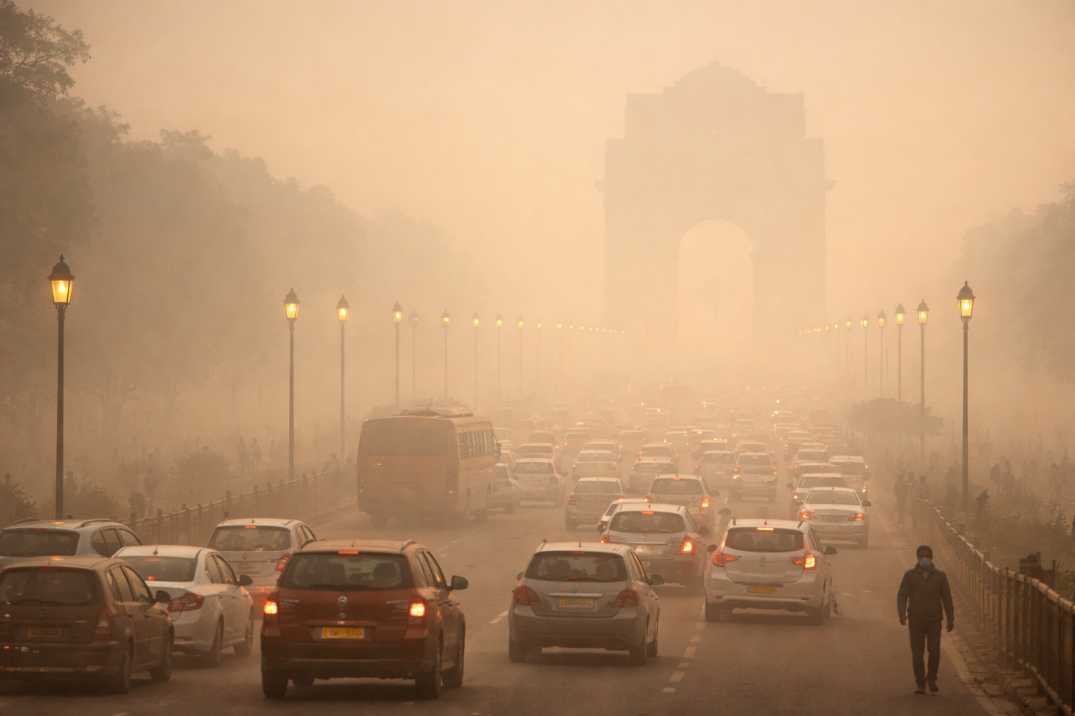
Air pollution levels in many Indian cities can rise rapidly during winter, traffic congestion, and stagnant weather conditions. In India’s CPCB AQI system, pollution levels above 200 can begin affecting even healthy individuals during repeated exposure, while AQI above 300 and 400 falls into the “Very Poor” and “Severe” categories.
Quick tip: If AQI stays above 200 for several hours, reduce unnecessary outdoor exposure and avoid prolonged outdoor exercise during severe pollution days.
Disclaimer: This article is for educational purposes only and does not replace medical advice.
What AQI Level Is Dangerous in India?
AQI becomes dangerous in India once it enters the “Poor” category above 200. At this stage, repeated exposure can begin affecting even healthy individuals, especially during outdoor activity and multi-day pollution episodes.
Levels above 300 (“Very Poor”) and 400 (“Severe”) require stronger precautions because breathing discomfort, irritation, and overall exposure risk increase significantly.
In real-world conditions:
- Moderate AQI levels mainly affect sensitive groups
- Higher pollution levels can affect a much larger portion of the population
- Severe pollution conditions require reduced outdoor exposure and stronger precautions
These categories are defined under India’s CPCB AQI framework and are used across Indian cities to estimate pollution severity and health risk.
Even when AQI is labelled “Moderate” (101–200), prolonged exposure may still carry health risks, especially for children, elderly people, and individuals with asthma or heart conditions.
AQI Levels in India: What Is Considered Dangerous?
| AQI Level | CPCB Category | Practical Risk |
|---|---|---|
| 101–200 | Moderate | Sensitive groups may experience discomfort |
| 201–300 | Poor | Even healthy individuals may be affected during repeated exposure |
| 301–400 | Very Poor | Significant health effects possible |
| 401–500 | Severe | Hazardous conditions requiring immediate precautions |
AQI Categories in India (CPCB Standard)
India uses the CPCB Air Quality Index (AQI) system to estimate pollution severity based on pollutants such as PM2.5, PM10, nitrogen dioxide, sulfur dioxide, carbon monoxide, and ozone.
Higher AQI levels generally increase both exposure risk and potential health impact.
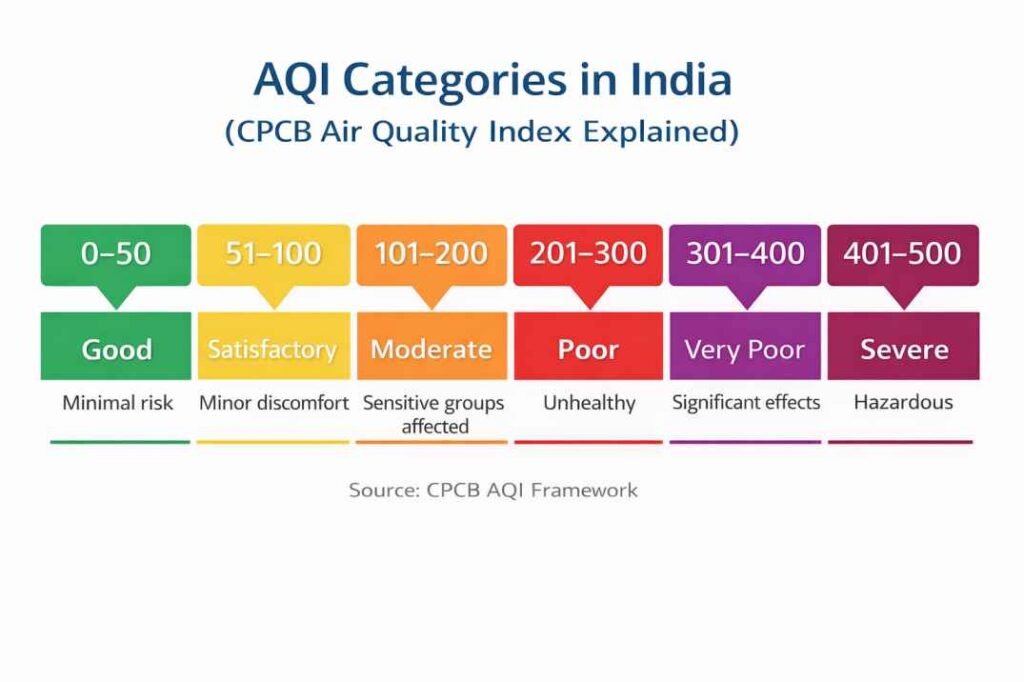
- 0–50 (Good): Minimal health risk
- 51–100 (Satisfactory): Minor discomfort possible for sensitive groups
- 101–200 (Moderate): Breathing discomfort may begin for sensitive individuals
- 201–300 (Poor): Repeated exposure can start affecting even healthy individuals
- 301–400 (Very Poor): Significant health effects may occur during prolonged exposure
- 401–500 (Severe): Hazardous conditions requiring immediate exposure reduction
Although AQI categories provide a general framework, real-world risk also depends on exposure duration, weather conditions, and individual health sensitivity.
To understand how these categories are calculated and used in real-time monitoring, see our detailed guide on how AQI is calculated in India.
When Does the AQI Level Become Dangerous in India?
AQI becomes increasingly dangerous as pollution levels rise and exposure continues over time. In practical terms, health risk increases significantly once AQI enters the “Poor” category above 200, especially during repeated outdoor exposure and multi-day pollution episodes.
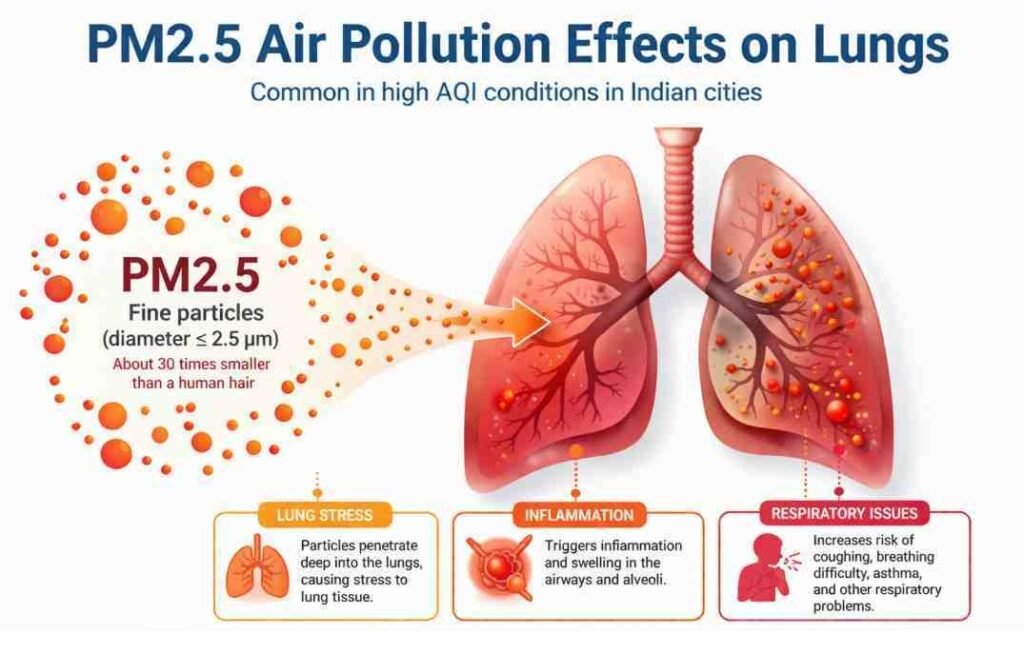
PM2.5 particles can enter deep into the lungs and contribute to irritation, breathing discomfort, and long-term exposure risk. During severe winter pollution conditions, pollutants may remain trapped near the surface for several consecutive days, increasing cumulative exposure over time.
Very poor and severe AQI conditions can affect even healthy individuals, particularly during prolonged outdoor activity or stagnant weather conditions with low wind speeds.
Why Sustained AQI Exposure Can Be More Harmful Than Short Pollution Spikes
Public attention around air pollution in India often focuses on sudden AQI spikes above 400 during winter. However, several consecutive days of AQI above 200 can also create serious cumulative exposure because the lungs receive less recovery time between pollution episodes.
During stagnant winter conditions and low wind speeds, pollutants may remain trapped near the surface for longer periods, increasing repeated exposure and overall respiratory stress over time.
Who Is Most at Risk from High AQI Levels?
Although poor air quality can affect everyone, some groups are more vulnerable to pollution exposure than others.
Children, elderly individuals, and people with asthma, COPD, or heart conditions may experience health effects earlier because their lungs or cardiovascular systems are more sensitive to pollutants.
Outdoor workers such as traffic police, delivery workers, drivers, and construction workers may also face higher cumulative exposure because they spend long hours near roads and polluted environments.
People living in densely populated urban or industrial areas may experience repeated exposure to elevated AQI levels over long periods.
During prolonged AQI levels above 200, health risk can gradually increase for almost everyone, not only sensitive groups. This becomes especially common during winter pollution episodes in many Indian cities.
Real Example: AQI Levels in Indian Cities (Delhi Case)
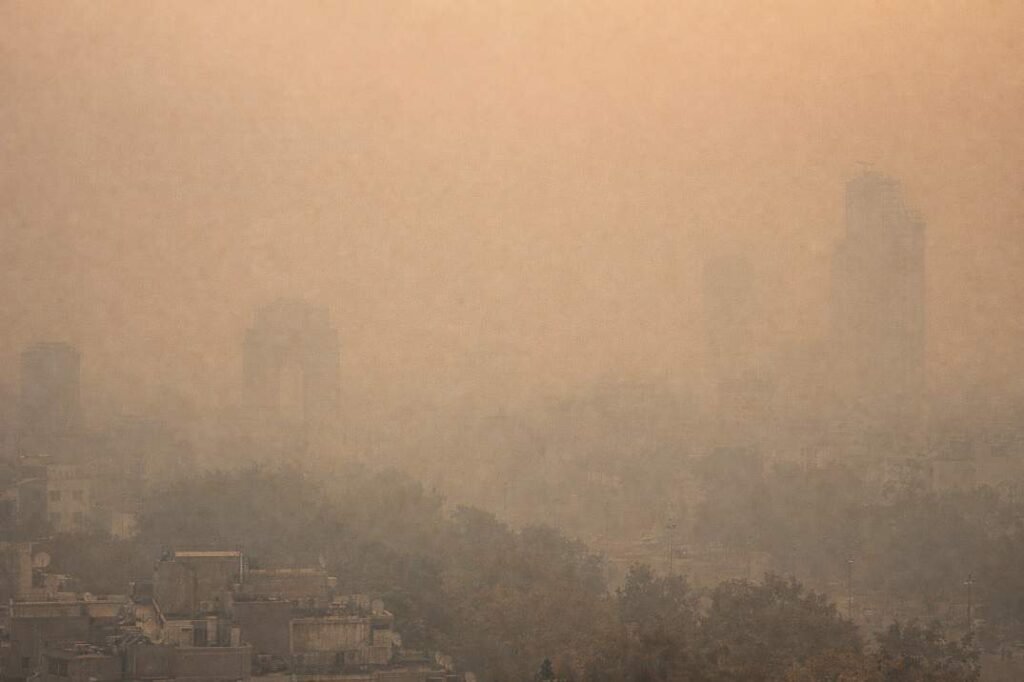
Delhi frequently experiences very poor or severe AQI conditions during winter because pollutants remain trapped near the surface under low wind speeds and temperature inversion conditions.
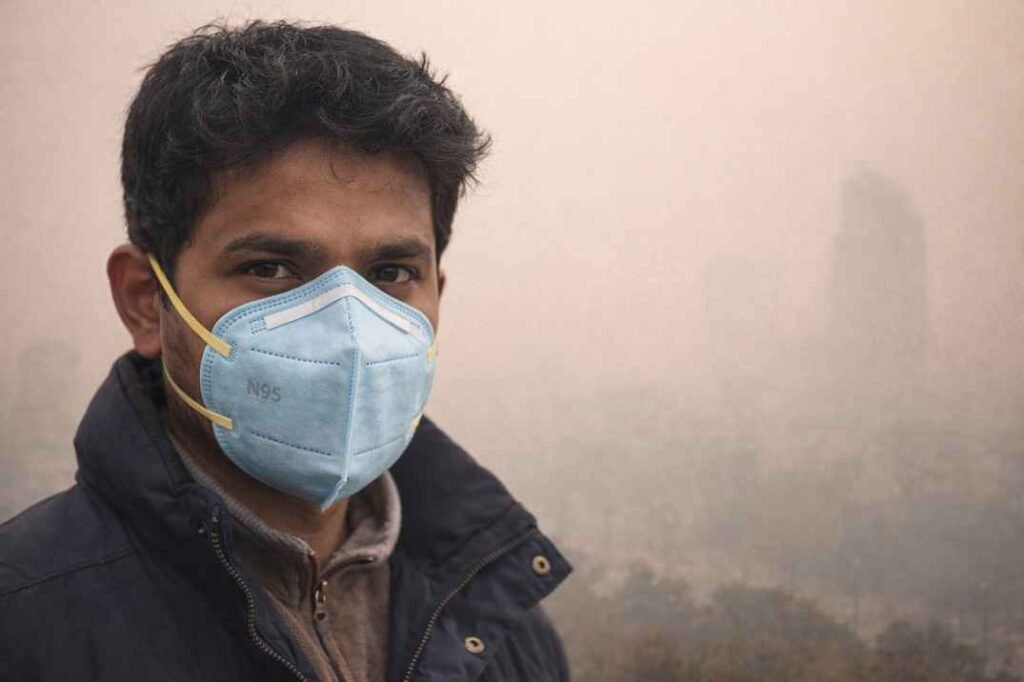
Residents often notice warning signs before checking AQI apps, including visible haze, throat irritation, burning eyes, and reduced visibility during morning commutes.
During prolonged pollution episodes, AQI can remain above 300 or 400 for several consecutive days, increasing cumulative exposure and overall health risk over time. Similar winter pollution patterns are also observed across several cities in northern India.
Author Observation: One common mistake is focusing only on the highest AQI reading of the day. In practice, several consecutive days above AQI 200 may create greater cumulative exposure than a single short pollution spike.
This pattern is closely linked to winter atmospheric conditions. Learn more in our guide on why air pollution is worse in winter in India.
What You Should Do at Different AQI Levels
Understanding AQI is useful only if it helps reduce real-world exposure during pollution episodes.
- AQI 0–100: Normal outdoor activity is usually safe
- AQI 101–200: Sensitive groups should reduce prolonged outdoor activity and avoid heavy exercise near traffic
- AQI 201–300: Limit outdoor exposure, avoid outdoor exercise, and monitor AQI regularly
- AQI 301–400: Reduce outdoor activity as much as possible and consider using a well-fitted N95 mask
- AQI 401+: Stay indoors when possible and improve indoor air quality using filtration or air purifiers
During winter pollution episodes, outdoor conditions are often worse in the early morning when pollutants remain trapped near the surface. Checking local AQI regularly can help reduce unnecessary exposure.
Check AQI Before Going Out
Use official tools such as the CPCB Sameer app or SAFAR air quality platforms to monitor local AQI before outdoor travel, walks, or exercise.
During winter in many Indian cities, pollution can be worse in the early morning when air is stagnant. Outdoor conditions may improve slightly later in the afternoon, though checking local AQI first is still recommended.
Why AQI Can Become Dangerous Quickly
AQI can rise rapidly when pollutants remain trapped near the surface due to low wind speeds, stagnant air, temperature inversion, humidity, and winter weather conditions.
In many Indian cities, daily emissions from traffic, industry, and construction continue even when the atmosphere cannot disperse pollutants efficiently. As pollution builds up over multiple days, AQI levels can shift from moderate to very poor or severe conditions within a short period.
These rapid pollution increases are especially common during winter, when fog, humidity, and stable atmospheric conditions reduce visibility and trap pollutants closer to breathing level.
To understand daily fluctuations in air quality, see our guide on why air pollution changes daily in India.
Key Takeaway
Once AQI enters the “Poor” category above 200, reducing unnecessary outdoor exposure becomes increasingly important. Very poor and severe AQI conditions can affect even healthy individuals, especially during multi-day pollution episodes and stagnant winter conditions.
Checking AQI regularly, adjusting outdoor activity, and reducing repeated exposure can help lower real-world pollution risk over time.
Quick Answer
| AQI | Risk Level |
|---|---|
| 0–100 | Generally safe |
| 101–200 | Moderate |
| 201–300 | Poor |
| 301–400 | Very Poor |
| 401–500 | Severe |
Common Questions About Dangerous AQI Levels
Is AQI 150 safe for kids in India?
No. 150 is “Moderate,” but for children with developing lungs, it can trigger asthma symptoms. It is best to limit their outdoor playtime when levels are above 100.
Can I use a regular cloth mask for AQI 300?
No. Cloth masks do not filter PM2.5 particles effectively. For AQI above 200, an N95 or FFP2 certified respirator is necessary to protect your lungs.
At what AQI should I turn on my air purifier?
You should ideally run an air purifier if the indoor AQI exceeds 50. If the outdoor AQI is above 200, an indoor purifier with a HEPA filter becomes essential to maintain safe breathing zones.
Is AQI 200 dangerous for healthy adults?
AQI 200 sits at the upper end of the Moderate category. Healthy adults can usually continue normal activities, but prolonged outdoor exposure may still increase discomfort and exposure risk.
Is AQI 300 considered hazardous?
AQI 300 is classified as Poor in India. It can affect both sensitive groups and healthy individuals, especially during extended outdoor exposure.
At what AQI should outdoor exercise be avoided?
Outdoor exercise should be reduced when AQI exceeds 200 and avoided during prolonged periods when AQI reaches 300 or higher, particularly for sensitive individuals.
Conclusion
Once AQI enters the “Poor” category above 200, reducing unnecessary outdoor exposure becomes increasingly important. Very poor and severe AQI conditions can affect even healthy individuals, especially during prolonged winter pollution episodes.
Checking AQI regularly and adjusting outdoor activity can help reduce real-world pollution exposure over time.
References
This article is based on publicly available frameworks, air quality guidance, and institutional resources, including:
- Central Pollution Control Board (CPCB). National Air Quality Index (AQI) Framework
https://cpcb.nic.in/air-quality-index/ - World Health Organization (WHO). Ambient (Outdoor) Air Pollution
https://www.who.int/health-topics/air-pollution - World Health Organization (WHO). Global Air Quality Guidelines (2021)
https://www.who.int/publications/i/item/9789240034228 - Indian Institute of Tropical Meteorology (IITM). Air Quality Early Warning System (Delhi)
https://aqews.tropmet.res.in/ - SAFAR (System of Air Quality and Weather Forecasting and Research), India
https://safar.tropmet.res.in/
Related Reading
Learn more in our guide on:
- PM2.5 and why it is dangerous.
- Winter pollution guide
- AQI calculation guide
- Air Pollution Monitoring Stations
- How Air Quality Is Measured in India
- Criteria Pollutants Explained
If you’re looking for AQI levels generally considered safe for daily activities, see our guide on Safe AQI in India.